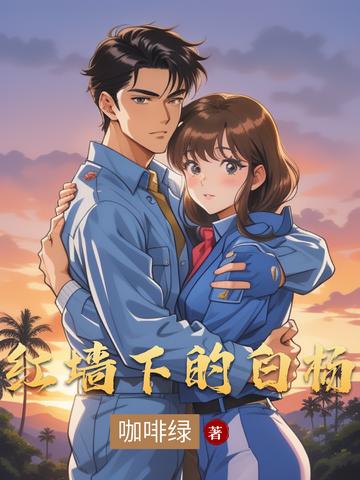
In the north in 1956, Lin Wanqiu, the daughter of a "problem family" from the south of the Yangtze River, hid Tagore's poetry collection in the dust of Hongguang Farm; Shen Weidong, the warehouse manager of Dongfeng Machinery Factory, hid the blueprints for machine tool innovation in the smell of engine oil. A heavy rain caused two people with different marks of the times to hide under the same roof. The raincoat he handed over had the smell of rust, and the water vapor from the south of the Yangtze River in her eyes smeared his prejudice against "intellectuals."
The fine grain stamps, which wandered on the fringes of the black market in the hungry years, were the life-saving food he gave to her father; the polished wooden sign with "Hold on" engraved on it was the light he asked someone to bring back when she was being criticized. Three years after the mining area was separated, the letters were cut into pieces in the wind and snow, so they used poplars to represent peace and gears to represent their thoughts. When he returned with the drawings that she had revised, she was already standing in the warehouse where they first met - her father was finally moved.
In the spring of 1965, the enamel jar in the dormitory reflected two plain faces, and two poplar trees nestled on the pillowcase. Their roots were tightly entwined under the red wall, and their branches pierced the haze and grew extremely straight toward the sun. This is not a fairy tale, it is two ordinary people living in the cracks and becoming each other's light.