What a horse!
The old lady knew how to turn bullets, Said's big pineapple, and Reis' elbow hit me through time!
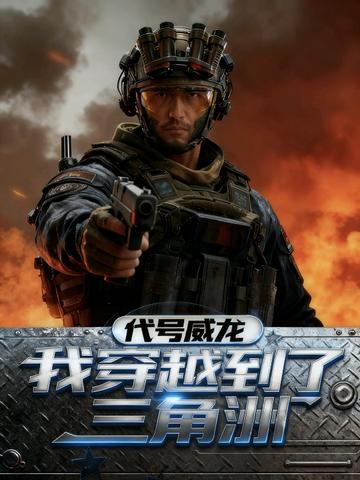
I traveled through time and became the Delta elite "Dragon". When I thought I had obtained the script of a post-apocalyptic novel, the system was loaded with the cruelest truth.
The zombie craze is just the appetizer. GTI's technological fortress, Asara's Natural Secret Society, Hafk's bandit warlords... Each camp holds a trump card, and every ally may betray. The "simple" data recovery mission we were ordered to perform was quickly turning into a global war for survival.
When my teammates roared in my ears that the ammunition was low, and when the barrel of the gun in my hand was overheated, I realized that this doomsday was just a warm-up for a larger conspiracy.
Here, there is no savior, only tasks. And our ultimate goal is to uncover the ultimate truth of this world, even if the price is... Becoming the enemy of "God".
Reader comments
As a newcomer's work, this book is quite eye-catching in terms of military realism. The author has a solid grasp of the military details of Operation Delta, from the practical feel of machine guns to the logic of team tactics, all of which reveal an in-depth study of the military system without any frivolous feeling. When integrating game elements into the apocalypse, it is not a simple trick, but the Delta's combat style and equipment characteristics are naturally embedded into the plot. For example, the tactical deduction in the data recovery mission is very consistent with the logic of real-life special operations. The plot is not deliberately exciting. The zombie wave is just an appetizer. The game between GTI, Ashara and other camps, and the on-the-spot decisions made by teammates when their ammunition is low are all promoted within the framework of "real survival + military missions". There is no point of violating military common sense for the sake of fun. The new writer has made a difference in the sci-fi apocalyptic world with his persistence in military reality. If he can polish the character arc in the future, the potential is worth looking forward to.
Why does the protagonist's name always have to be codenamed? I've almost forgotten what the protagonist's name is.
As a newcomer's work, this book is quite eye-catching in terms of military realism. The author has a solid grasp of the military details of Operation Delta, from the practical feel of machine guns to the logic of team tactics, all of which reveal an in-depth study of the military system without any frivolous feeling. When integrating game elements into the apocalypse, it is not a simple trick, but the Delta's combat style and equipment characteristics are naturally embedded into the plot. For example, the tactical deduction in the data recovery mission is very consistent with the logic of real-life special operations. The plot is not deliberately exciting. The zombie wave is just an appetizer. The game between GTI, Ashara and other camps, and the on-the-spot decisions made by teammates when their ammunition is low are all promoted within the framework of "real survival + military missions". There is no point of violating military common sense for the sake of fun. The new writer has made a difference in the sci-fi apocalyptic world with his persistence in military reality. If he can polish the character arc in the future, the potential is worth looking forward to. Why does the protagonist's name always have to be codenamed? I've almost forgotten what the protagonist's name is.