"The Evil King"
As a modern criminal profiler, he traveled through time and became a useless young master who was abandoned in another world.
Others rely on talent for cultivation, but I rely on "code" for cultivation.
I can see through loopholes in skills, rewrite the script of fate, and invade the underlying rules of the world.
Genius? Ancestor of the sect? Ancient gods?
In my eyes, they are just lines of programs waiting to be cracked and overwritten.
This time, I'm not going to be a chess piece, I'm going to reprogram the world.
Reader comments
"The Evil King" breaks the traditional stereotypes of cultivation with a stunning "code perspective", blending modern logical thinking with the mystery of classical Taoism, creating a grand and sophisticated fairy tale epic. The author uses scalpel-like strokes to describe Fang Yun's "variable" path from a loser in another world to a master of rules. His silver-haired star-eyed image and the power of "following his words" combine the coldness of science fiction and the carefreeness of a fairy.
The work not only stops at the struggle for sect hegemony and personal transcendence, but also casts its sights on the survival of civilization on a cosmic scale - the setting of the "Logic Bomb" against the "Dark Eyes of Return to Ruins" sublimates the story to a philosophical speculation at the level of rules. From the deathly silence of the Hanji Abyss to the splendor of the star palace ruins, from the secrets of the ancient bronze palace to the struggle in the chaotic wasteland, every scene creates a highly immersive picture of another world. The plot advances in a relaxed and relaxed manner, with equal emphasis on wits and killing. The intricate plot and layers of truth revealed create an addictive narrative spider web.
This is not only the protagonist's journey to change his destiny against the will of heaven, but also an ultimate question about order and chaos, fate and freedom. When Fang Yun redefines the rules with codes and carries the fire of civilization with his mortal body, every step he takes leaves a bright mark in the galaxy of immortals. "The Evil King" can be called the most wild and creative masterpiece of spiritual cultivation in recent years, and it is worth immersing in it for every reader who pursues Eastern fantasy.
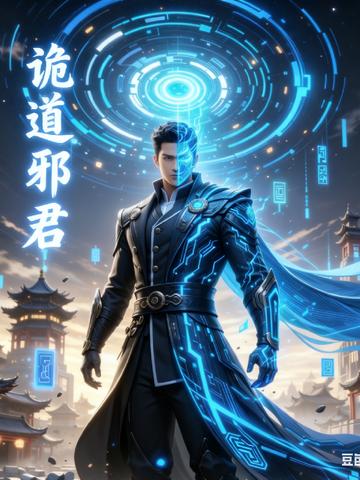


"The Evil King" breaks the traditional stereotypes of cultivation with a stunning "code perspective", blending modern logical thinking with the mystery of classical Taoism, creating a grand and sophisticated fairy tale epic. The author uses scalpel-like strokes to describe Fang Yun's "variable" path from a loser in another world to a master of rules. His silver-haired star-eyed image and the power of "following his words" combine the coldness of science fiction and the carefreeness of a fairy. The work not only stops at the struggle for sect hegemony and personal transcendence, but also casts its sights on the survival of civilization on a cosmic scale - the setting of the "Logic Bomb" against the "Dark Eyes of Return to Ruins" sublimates the story to a philosophical speculation at the level of rules. From the deathly silence of the Hanji Abyss to the splendor of the star palace ruins, from the secrets of the ancient bronze palace to the struggle in the chaotic wasteland, every scene creates a highly immersive picture of another world. The plot advances in a relaxed and relaxed manner, with equal emphasis on wits and killing. The intricate plot and layers of truth revealed create an addictive narrative spider web. This is not only the protagonist's journey to change his destiny against the will of heaven, but also an ultimate question about order and chaos, fate and freedom. When Fang Yun redefines the rules with codes and carries the fire of civilization with his mortal body, every step he takes leaves a bright mark in the galaxy of immortals. "The Evil King" can be called the most wild and creative masterpiece of spiritual cultivation in recent years, and it is worth immersing in it for every reader who pursues Eastern fantasy.