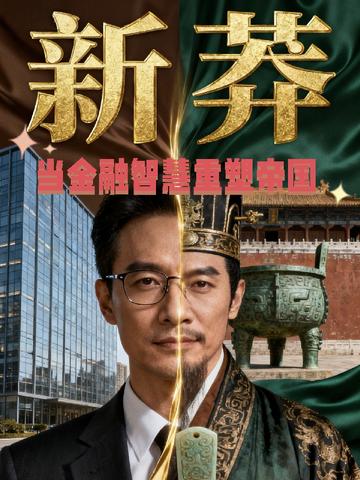
The New Mang is a dialogue across two thousand years, and the ultimate experiment in economic principles and the fate of an empire. Wang Mian, a modern business tycoon, transmigrates by accident into the body of Wang Mang at the end of the Western Han. He is no longer the pedantic dreamer and usurper depicted in history books, but a reformer armed with the sharp blade of modern economics. Faced with a dying world of barren lands stretching for miles, he vows to turn the tide with the power of capital. This is no simple contest of political intrigue, but the ancient-world implementation of an entire modern economic system: he issues “government bonds,” using the state’s credit to mobilize dormant private capital; establishes an audit bureau and a public opinion office, wielding the sword of institutions to cut through millennia of corruption; and introduces franchising, seeking a delicate balance between imperial power and the market. But reform is never an easy dinner party. The backlash of powerful families, the trials of natural disasters, and the inertia of history descend like three towering mountains. An even deeper conflict lies within him: how can a lonely soul who longs for his wife and daughter beneath the moonlight balance his guilt toward his “little family” with his duty to the “greater family”? What makes The New Mang most moving is not the way the protagonist uses modern knowledge to outclass the ancients, but the tragic resolve of a clear-eyed idealist and a ruler who grieves for all under heaven, choosing to press on despite recognizing the limits of his era: “Though a thousand or ten thousand stand in my way, I will go.” When Wang Mang ultimately chooses to train a successor and retire after achieving his goals, he completes more than a transfer of power; he offers a profound lesson on responsibility and succession. If you’re tired of formulaic transmigration power fantasies and long for a work with intellectual depth, historical richness, and human warmth, this book will take you into a familiar yet strange Xin Dynasty and let you witness a lonely reformer...