Meng Yanchen: The eldest son of Meng, a business tycoon, with a cold appearance but a fiery heart. He has a deep and repressed protective love for Xu Qin.
Fan Shengmei: Beautiful and tough, with an ordinary background but a lofty ideal, eager to change her destiny through marriage, struggling between reality and true love.
Xu Qin: The adopted daughter of the Meng family, a doctor, with a cold and weak appearance, but a sensitive and rebellious heart, longing for freedom and true love, is the eternal cinnabar mole in Meng Yanchen's heart.
Reader comments
The emotional entanglement between Meng Yanchen and Xu Qin is expressed in a unique way of writing, and Fan Shengmei's independent life is also interspersed in it. Those who like sadistic writing can take a look.
Trapped in a cocoon, where can I find the light - Comment on "Binding the Cocoon and Becoming a Sorrow"
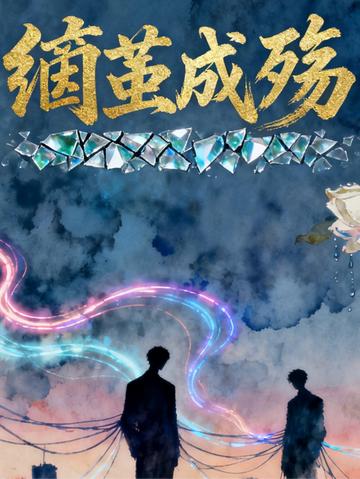
When Meng Yanchen's restraint, Xu Qin's struggle and Fan Shengmei's compromise are intertwined in "Cocoon", the picture of three souls trapped in the cocoon of their own destiny unfolds with a bone-chilling sense of reality, making people understand the heaviness of the word "bondage" in a sigh.
Meng Yanchen was bound by ethics and responsibilities, and his love for Xu Qin could only be hidden behind his eyes and behind his words. His careful protection eventually became self-imprisonment; Xu Qin was torn between worldly discipline and inner desire, unable to break free from the shackles of the past, but also unable to escape from the shackles of the past. Dare not face the real heartbeat, and every time she wanders, she wraps another thread around the cocoon; Fan Shengmei is tightly shackled by the burden of her original family, and her desire for a stable life is kidnapped by family affection time and time again. After struggling for half her life, she still cannot escape the cage of fate. They have all tried to break out of the cocoon, but they have repeatedly hit the wall amidst the barriers of reality and inner cowardice. The ending of "Being Shang" is not accidental, but an inescapable necessity in the predicament.
The most poignant thing about this book is that the pain of the characters is grounded in real human dilemmas - not dramatic drama, but the shackles that every ordinary person may encounter. When closing the book, I can still think of the confusion and unwillingness in the eyes of the three people. It is like a mirror, reflecting the "cocoon" in our hearts that has not been broken out, and also makes us think in empathy: when fate sets limits, how can we open a crack and let the light in?
The emotional entanglement between Meng Yanchen and Xu Qin is expressed in a unique way of writing, and Fan Shengmei's independent life is also interspersed in it. Those who like sadistic writing can take a look. Trapped in a cocoon, where can I find the light - Comment on "Binding the Cocoon and Becoming a Sorrow" When Meng Yanchen's restraint, Xu Qin's struggle and Fan Shengmei's compromise are intertwined in "Cocoon", the picture of three souls trapped in the cocoon of their own destiny unfolds with a bone-chilling sense of reality, making people understand the heaviness of the word "bondage" in a sigh. Meng Yanchen was bound by ethics and responsibilities, and his love for Xu Qin could only be hidden behind his eyes and behind his words. His careful protection eventually became self-imprisonment; Xu Qin was torn between worldly discipline and inner desire, unable to break free from the shackles of the past, but also unable to escape from the shackles of the past. Dare not face the real heartbeat, and every time she wanders, she wraps another thread around the cocoon; Fan Shengmei is tightly shackled by the burden of her original family, and her desire for a stable life is kidnapped by family affection time and time again. After struggling for half her life, she still cannot escape the cage of fate. They have all tried to break out of the cocoon, but they have repeatedly hit the wall amidst the barriers of reality and inner cowardice. The ending of "Being Shang" is not accidental, but an inescapable necessity in the predicament. The most poignant thing about this book is that the pain of the characters is grounded in real human dilemmas - not dramatic drama, but the shackles that every ordinary person may encounter. When closing the book, I can still think of the confusion and unwillingness in the eyes of the three people. It is like a mirror, reflecting the "cocoon" in our hearts that has not been broken out, and also makes us think in empathy: when fate sets limits, how can we open a crack and let the light in?