"In this place, emotions are burdens and rules are weapons. The first mistake I made was thinking that work is about doing things; the first lesson I learned was to understand that survival is about being a human being."
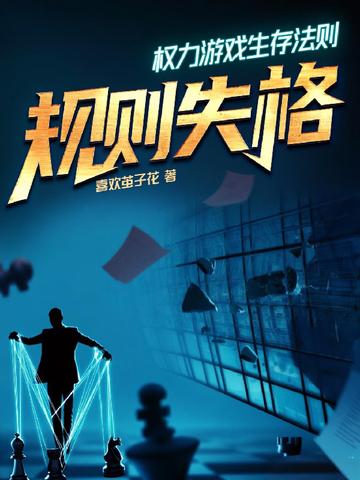
When I was publicly used as a "prop" to establish authority by the drunk third-in-command leader because of an insignificant meeting name, I was not aggrieved, I just felt the cold touch of the rules. My name is Chen Xu, a newcomer who just wants to do things well. At that moment, I had an epiphany: the workplace is not a chessboard, there is no boundary between Chu and Han, there are only invisible lists made up of power, connections, and information. Whoever can crack the code of the list can make the rules.
I calculate every move with reason, play rules against rules, and treat all conflicts and emotions as data points. When I played the game they were best at to a level they couldn't understand, the pretentious leader, the scapegoating colleague, and the hypocritical allies all became case notes on my list.
Reader comments
The most shocking thing about this work is not the endless Machiavellian tactics, but its questioning of the nature of modern people's survival dilemma: When individuals are thrown into an irrational rule system, does ultimate rationality become the only salvation?




The most shocking thing about this work is not the endless Machiavellian tactics, but its questioning of the nature of modern people's survival dilemma: When individuals are thrown into an irrational rule system, does ultimate rationality become the only salvation?