In 1911, frost fell, and the fog on the canal was so thick that it could wring out water.
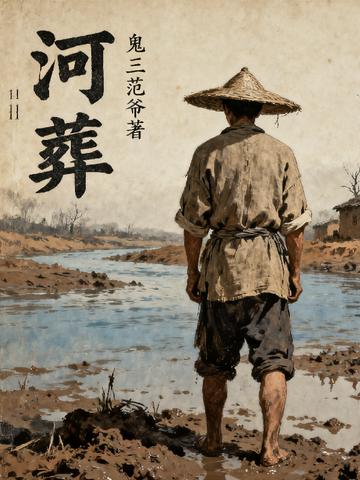
Young Chen Du followed his father and rowed the boat towards an unknown infant corpse. This is his destiny as a "man who ferries the dead" - to reshape and requiem the souls who died in a foreign land on the canal, and send them across the River Styx.
A century, a canal, a person who protects the dignity of the deceased.
From the twilight of the late Qing Dynasty to the dawn of the new century, Chen Du personally buried the soldiers who fought in the warlords' melee, the patriots who died in the Anti-Japanese War, and the unknown people who were forgotten in the turbulent times... He was like a silent bridge, carrying away thousands of dead souls. The storms of history tore his family apart again and again, but never destroyed the ark he held firm in his heart.
"River Burial" is not an elegy of suffering, but an epic about dignity. It uses extremely calm brushstrokes to depict extremely turbulent emotions. Behind the grand historical narrative, we see the true foundation for the continuation of civilization - those humble, silent, but never extinguished lights of humanity.
Reader comments
This writing style is really amazing. It's great that Tomato can have such a book.
This writing style is really amazing. It's great that Tomato can have such a book.