On the eve of the Battle of Shanghai in 1937, beneath the glittering facade of the French Concession, dangerous undercurrents were running deep. The Japanese consulate in Shanghai used a “Sino-Japanese Cultural Exchange Reception” to court business leaders and plan weapons shipments, hoping to speed up its invasion of China.
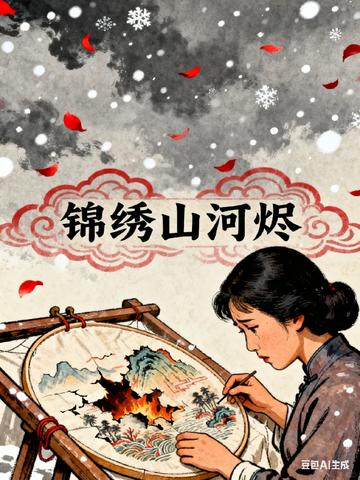
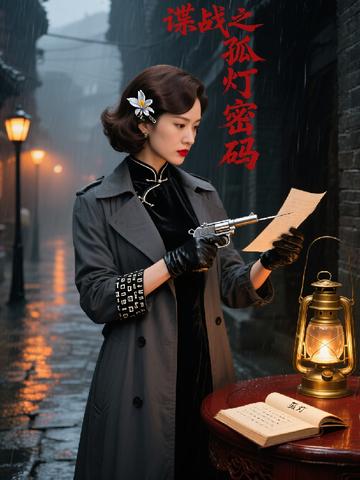
Shen Zhiwei, owner of the Jinxiu Pavilion embroidery shop, used her gentle public image as Shanghai’s “Embroidered Beauty” as a cover. In truth, she was “Embroiderer,” a liaison for the underground Communist Party’s “Hongyan” group. She needed to get vital information about the Japanese arms ship Sakura Maru from Zhang Jingzhi, the head of the Chamber of Commerce, and stop its deadly cargo from reaching the front.
In the process, she unexpectedly crossed paths with Lu Chengze, an industrialist who had studied abroad. The seemingly mild-mannered factory owner was secretly supplying weapons to the Eighth Route Army, and was also a potential ally of the Military Statistics Bureau. From cautious probing to seamless cooperation, the two concealed their sharp edges at a Paramount ballroom soirée, navigated danger in the embroidery room, and risked their lives in a rescue at the consulate. They gradually uncovered the Japanese plot, and discovered that thirty patriotic students were also being held aboard the Sakura Maru.
As the date of the Sakura Maru’s arrival at Wusongkou on the ninth day of the seventh lunar month drew near, Shen Zhiwei and Lu Chengze joined countless patriots. They hid secret messages in embroidery and faced deadly threats with courage, weaving a covert network to protect their homeland at the edge of war. Before the flames of battle could consume their country, they vowed to reclaim hope for the Chinese people.