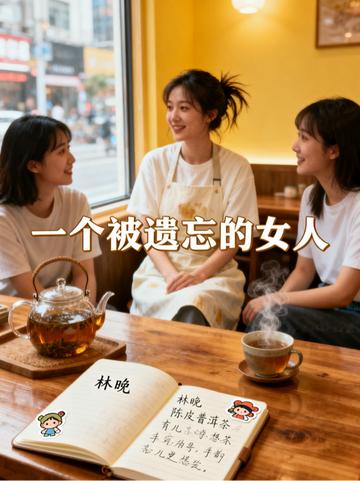
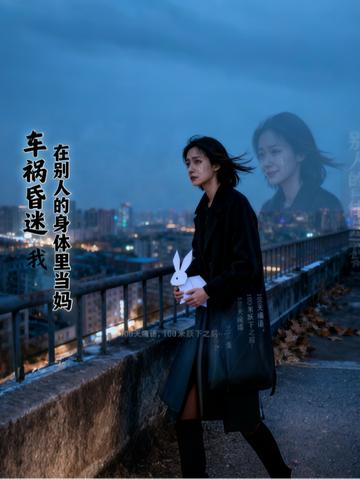
She is the mirror image of countless homemakers. Hidden beneath the identities of “Zhouzhou’s Mom” and “Zhou Ming’s Wife” is the name Lin Wan. She considers applying for an insurance job, but hides in the restroom downstairs from the company and deletes her account. People praise her parenting, but she only dares to stick the certificate on the side of the fridge. Clutching her allowance as she passes a toy shop, she cannot even summon the courage to buy her child a Lego set. All those hesitations, the fear of failure and of being told she is wasting her time, have become the backdrop to her daily life.
There are no earth-shaking twists, only the feelings homemakers know all too well: the hurt hidden beneath an apron, the preferences swallowed by “whatever you like,” the self suppressed by “it’s for your own good.” But just as tea stains slowly spread, moments of daring to admit a mistake, daring to share, and daring to say “this is what I want” will eventually warm the traces of a self that has been forgotten.
When Lin Wan writes, “Being remembered by yourself is the brightest light of all,” in a teahouse, we suddenly understand: every woman who has been forgotten is waiting for a moment when she remembers herself. Even if it takes time, even if she carries tea stains and tear tracks, that light belongs to her.