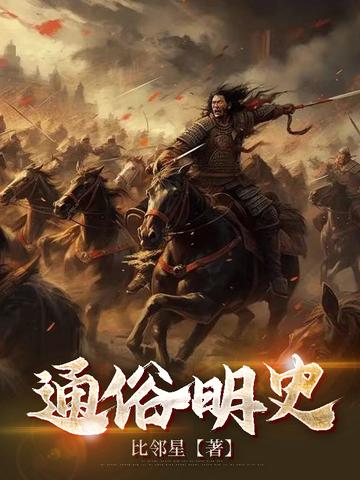
From the desperate survival of Zhu Chongba, a hungry man in Haozhou, to Yingtian proclaiming himself emperor and establishing the Ming Dynasty; from the rebellion between his uncle and nephew during the Jingnan Campaign, to the coming of all nations in Yongle's prosperous era; from the peace of the country and the people's peace under the rule of Renxuan, to the shocking defeat of the Tumubao Incident; from the power of Hongzhi Zhongxing Turning the tide to the twilight of the Wanli dynasty; from the dark decline of Wei Zhongxian's chaos, to the tragic end of Chongzhen's death for his country, to the lonely and tragic song of the Southern Ming's resistance to the Qing Dynasty, every period of history has "History of the Ming Dynasty" to rely on, and every character fits the official historical evaluation. It does not deify the Ming emperor or turn it into a treacherous minister. It uses popular and delicate novel writing to supplement reasonable character psychology and scene details, turning the cold historical materials in "History of the Ming Dynasty" into a story with warmth and tension. There are the power battles of chess, the excitement of fighting on the battlefield, and the fireworks of ordinary people in the city. It panoramically displays the vicissitudes of the Ming Dynasty from its rise, prosperity to its collapse. If you understand a novel, you will know a "History of the Ming Dynasty".