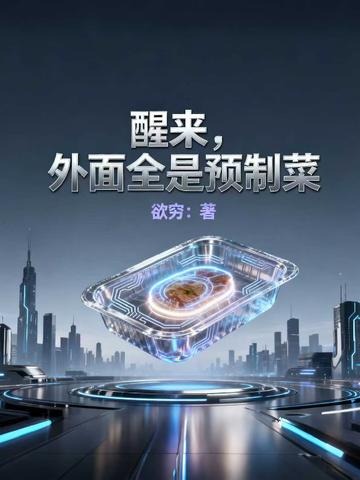
While humans in 2083 tasted virtual lobster with neural interfaces, I chewed the last bite of expired instant noodles in my hibernation pod.
Traveling back in time to the nutritional paste era when monopoly on MSG, the air was filled with the metallic smell of synthetic meat, natural ingredients were listed as endangered species, and cooking skills became historical legends three generations ago. Just as I was retching on the gray paste, a mechanical voice suddenly sounded in my mind: [Chinese cooking system activated, unlocked today: Suzhou cuisine and braised lion head].
If there was no pork belly, I would use a vegetable protein base instead, and if there was no casserole, I would use a rusty iron pot to stew. When the first ball floated in the boiling water, I finally understood - this system is not asking me to cook, but asking me to save civilization.
The cuisines unlocked every day have become weapons against the algorithm: fried Mapo tofu with chili peppers stolen from the paleontology park, a Manchu-Han banquet in an abandoned subway, and even the law enforcement robot shut down after a bite of pot stickers. When the supervision team of the MSI joint raided the kitchen, they had no idea that the pepper seeds hidden in the storage compartment were quietly emerging from the balcony.
When the monopoly giant used taste chips to kill the last trace of nostalgia, I served out the twelve-course reunion banquet that the whole family must eat before traveling through time. The sweet and sourness of the sweet and sour pork ribs disrupted the control of the neural interface, and the heat of the dumplings warmed up the cold future. This revolution on the tip of the tongue proves that real food is never the opposite of technology, but the warmest memory carrier of civilization.
When the first system-rewarded seed broke through the nutrient soil, I knew that the battle to let the world remember the taste of my grandma's food had just begun.