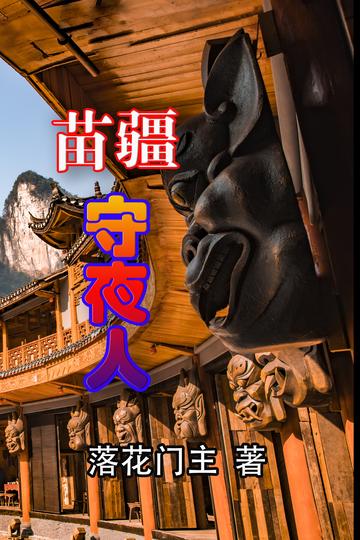
Miaojiang Night Watchman
苗疆守夜人
- Status
- Completed
- Length
- 1.0M Words
- Genre
- Eastern Fantasy
- Subgenre
- Eastern Cultivation
- Audience
- Male
- Updated
- 4mo ago
- Source
- Fanqie
Stats
Tags
Synopsis
Reader comments
In booklists 24

Long Son-In-Law Who Comes to the Door
This book is really good and worth recommending


Suitable for Middle-Aged People, with Online IQ, No Virginity, Decisive Killing, High Scores
Cities, systems, rebirth, fantasy, and games are all fine. As long as they are good-looking and have an online IQ, it doesn't matter if they are not holy mothers. Hurry up and get the books that meet the requirements on your bookshelf!
Metaphysics, Feng Shui, Bagua, Super Detailed and Easy-To-Understand Articles, All Informative
I want to read something similar to "Record of a Change of Destiny".
Come On, Have a High IQ, You Will Almost Be Dumbfounded When You Read This Article.
A Profound Book That Can Help Me Grow My Brain
Logically rigorous, not mindless sweet stories, with deep foreshadowing, and a grand world view, this kind of

Keep Reading Until I Finish the Novel

Are There Any Novels with 10 Million Chapters?




Urban Cultivation, Medical Skills, Male Protagonist Qinglong Physique
It starts with an intern in a hospital. No one can be saved. The protagonist uses Taoism to save people. The protagonist's name seems to be Jiang Fan or Zhang Fan. I can't remember clearly.
9 Points or Above, Apocalypse + Stocking Up

Poison, Miao Territory, Mysterious

I Want to Continue Reading
A Young Man from Miaojiang Uses Love Poison to Make Someone Fall in Love with Him
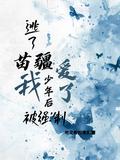
Miao Teenagers Raising Gu
Please give me a book by a Miao teenager
The History Is True and Has Not Been Tampered With.
History is more shaping, the characters are vivid, history is not distorted, and the writing is refreshing, such as the * dynasties, large and small, wars, civil servants and military generals are loyal and good, and are presented in history
Tomb Robbing Notes, Ancient Style, Fan, Piano, Flute as Weapons, He Is a Boss
I Have Been Reading Novels for More Than Ten Years, and Now I Can No Longer Read Many of Them.
I have been reading novels for more than ten years, and now I can't stand many of them. Please recommend some novel novels.

Are There Any Supernatural Novels?
It's Okay, It's Okay, It's Okay, You'll Know After You Take a Look.
I want to read a book similar to "Hell High School: The Beginning of the Human Purge Plan".
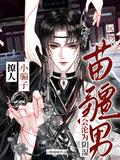
I Want to Read a Miao Boy (Or a Priest), a Novel About Two Men
I want to read a book similar to "After I Slapped a Miao Xinjiang Boy, I Was Possessed by Love".
Group Portrait Article, High Quality, Male Video, Good Quality.
I'm tired of seeing group portraits of female channels. Don't recommend me articles about group portraits of female channels. Don't ask, just because I'm tired of seeing them. By the way, pay attention. What I want is group portrait articles. Don't recommend me any messy stuff.

Are There Any Male Protagonists Who Are Miao Teenagers Who Are Good at Using Voodoo?

New Book, Mutual Review
I want to read a book similar to "The Witcher". Even if you click on it and take a look, give it some motivation! Please

It's Too Difficult for Newcomers
I want to read a book similar to "Silver Screen Ye Yuxuan". I'm not giving it a try, I'm just interested in updating it. Hey, I'll post it here to see if there are any soft-hearted gods out there. Come and take a look.

Help People Write Book Reviews for Free
I want to read a book similar to "Online Games: Reshaping Life". Help someone write a book review for one hour, no need to reply. Please add this book to your bookshelf, and the update schedule will start immediately. Don't disturb those who are dishonest
The flames of the Shiniu Festival tore apart the night of the Miao Village, and also ignited a secret battle between Gu and the heart. The wine mist sloshing from the black iron flask on Chu Ming's fingertips, and the hot Gu lock tattoo under the woman's silver bracelet, intertwined into a fatal chess game amidst the mournful screams of the cattle sacrifice and the drumbeats of the Nuo dance. The parasitism and backlash of the natal love Gu, and the undercurrent of the Night Watchmen and Jinling Guards, made this calculation in the name of love, under the maple tree shrouded in wine mist, become a more wild game of life and death than the Shiniu Festival. Every glance met was the shadow of a sword, and every breath was strangled by fate. The firelight illuminated the silver butterfly hairpin, and also reflected the blade in his eyes. The black pottery wine glass handed over by the woman was filled with Baicao brew to ward off the cold, and even more so, the love poison that risked one's life. The moment Chu Ming drank it, the blood of the sacrificial cow triggered a frenzy in his body. The gasping and looking at each other in the mist of wine became a wrestling field between love and poison. When the inner breath of the night watchman and the natal Gu are wildly entangled, when the scream of the vertebral cow breaks the enthusiasm of the festival, this encounter that started at the Miao village festival has long been destined to be a fateful entanglement that tears apart the soul. Wildness and weirdness grow wildly into an inescapable web in the night.
The most powerful "plug-in" in "Xiangxi Love Gu": a Xiangxi civet named Dong Dong Bang. If the adventure team in "Love in Western Hunan" is regarded as a pot of authentic Xiangxi bacon hot pot, then the bravery of the protagonist Chu Ming is the bottom of the pot, the mysterious poison of Lan Caidie is the main course, and the civet named Dong Dong Bang is the spoonful of secret spicy sauce that is the finishing touch and is endlessly memorable. It is not only a pet, but also an indispensable cultural guide, game-breaking expert and funny person in this "expedition team" that goes deep into the secret realm of western Hunan. I really want to ask Dong Dong Bang, how is your thirteenth sister? The plot has constant twists and turns, and the foreshadowing is cleverly laid out. The seemingly casual details in the front are echoed one by one in the back. The story is full of tension, and people can't help but keep following it. [Make faces]
After reading "The Night Watchman of the Miao Border", what impressed me most was the author's careful portrayal of the Miao border culture. Unlike some novels that only use voodoo and corpse exorcism as gimmicks, the Miao folk customs in this book are deeply tied to the plot and characters. Elements such as butterfly voodoo and ancient Miao proverbs have become an important part of building the world view of the story, making it particularly immersive to read. The story is set in Xiangxi at the end of the Western Han Dynasty. The game between counties and clans, and the competition for the ten ancient tombs, cleverly combine the government intrigues with the Miao secrets. Every adventure contains sparks of collision between different civilizations. The adventure of the protagonist group is not just about searching for tombs and treasures, but also contains thoughts on the inheritance of national culture and the relationship between man and nature, which adds an extra layer of depth to the story. The author's writing style is also very stable. While creating a suspenseful atmosphere, he can also describe the fireworks of the Miao villages. This is a Miao-themed novel worth reading slowly. The plot is exciting and the content is rich, worth reading! [Like][Like]
When I opened "The Night Watchman of the Miao Border", I thought I was about to step into a strange and mysterious realm, but the author's amazing writing skills brought me to a long scroll of mist and rain in Western Hunan in the late Western Han Dynasty. Here, the thrilling legend of tomb robbing is closely connected with the profound Miao civilization. The depiction of the "love charm" in the book is by no means cliché - it is a fateful entanglement in which the soul is torn apart and the blood is ignited, sublimating the supernatural setting into the emotional core of life and death. What's even more valuable is that cultural details such as the Miao language, festivals, and silver totems are not embellishments, but the cornerstones of the worldview; the poetic "Nine Styles of the Drunken Moon" complements the violent scene of "The Sacrifice of the Cow", and outside the main line of suspense and intrigue, there is always a lively atmosphere of fireworks. This is not only a novel, but also a text walk that goes deep into the soul of Miao territory, which makes people immersed in it and has a long aftertaste. After reading "The Night Watchman of the Miao Border", I understand better the weight of this persistence. When I first read it, I was fascinated by the weird and anecdotal stories about the Miao border. When I read it again, I saw the warmth of human beings under the clouds. The protagonist travels through the secret realm, guarding the years and the hearts of the people. The writing is smooth and natural, worth reading twice!
It's very interesting. Although I know something about Miao territory, it was completely new to see the author's description of Miao territory. I learned many things I didn't know from here. Really good.
"The Night Watchman of the Miao Border" cleverly combines the historical events of the late Western Han Dynasty with the mysterious folk customs of the Miao Border in western Hunan to create a strange and charming adventure world. The book's use of elements such as corpse exorcism, bewitching, and witchcraft and Nuo songs is solid but not suspended. It not only retains the mysterious background of folklore, but also gives it a reasonable narrative logic. The setting of "Night Watch" is quite innovative, making the tomb robbing adventure go beyond simple curiosity hunting and add a spiritual core of protecting civilization. The author's writing style is exquisite, and the mountain mist, ancient villages, and dense forests of Miao territory vividly appear on the page, and the suspenseful atmosphere is created just right. This is a sincere work that combines folklore heritage with the tension of adventure and is worth reading.
After reading "The Night Watchman of the Miao Border", it feels like following the protagonist into the mist-shrouded secret realm of the Miao Border. Between the weird anecdotes and the warmth of the world, you can understand a perseverance that spans the years. The novel is based on Miao folk customs and witchcraft legends, interweaving anecdotes and human choices. It not only has a suspenseful and tense investigation plot, but also hides a delicate and touching emotional bond. As a night watchman, the protagonist protects not only the tranquility of the land and water, but also the ancient heritage and the bottom line of people's hearts. The book does not blindly exaggerate horror and weirdness. Instead, it writes about good and evil choices, responsibility and friendship in strange stories. The unique regional customs make the story full of mystery, and the faith passed down from generation to generation by the night watchmen adds warmth to the whole book. As mortals, they fight against evil spirits, protect their neighbors, and walk forward with lights in the dark. They are ordinary but great. This work is not only a novel reading experience, but also allows people to see the power of perseverance. The so-called night vigil is to keep a long night of peace, but also to bring light to people's hearts. Under the mysterious veil of the ancient Miao territory, there is the simplest justice and warmth, which makes people ponder for a long time after reading it.
The more I read this book, "The Night Watchman of the Miao Border", the more I like it. The story has a very graphic feel right from the beginning, with old villages in remote mountains, mysterious magic, and strange folk tales. The atmosphere is immediately full. Even those who are timid will be a little nervous, but they can't help but want to read on. The protagonist is not the kind of cool male protagonist who cheats all the time, but more like a night watchman who silently takes care of things. He handles various strange incidents while guarding the village and the people around him. He is brave and resourceful and pays attention to friendship. The plot is very fast-paced, with suspense one after another, and many twists and turns. It doesn't drag on or overwhelm the word count, and it's very enjoyable to watch. If you like folklore, suspense, thrillers, and supernatural adventures, you will definitely want to read this book. The writing is down-to-earth and has a strong sense of immersion. The more you read, the more you won't be able to stop. It's a good book to stay up late at night to catch up on! I can't watch it today, I'll continue watching it tomorrow
The author cleverly integrates folk elements such as Miao poison, corpse exorcism, and Nuo opera into the modern night watchman setting, creating an unpredictable and supernatural atmosphere. The protagonist is destined to be a "poison boy" and struggles between protecting the Miao territory and self-salvation. The character's character is not realistic. The author's writing is sophisticated, the battle scenes are lifelike, and the collision of Miao secrets and urban legends is novel and exciting. [Like][Like][Like]
If you like to watch tomb-robbing adventures and are curious about the mysterious Miao culture, then the book "Miao Border Watch" will definitely keep you reading until dawn. The story begins in the late Western Han Dynasty, when various forces are vying for the secrets of ancient tombs in the mountains of western Hunan. But the "night watchmen" here are no ordinary gravekeepers. They guard the boundary between civilization and wilderness. This setting instantly makes the whole story cool and deep. The world of Miao territory described in the book is very real: mist-shrouded stilted buildings, bronzes engraved with strange symbols, poisonous insects that can recognize their owners... The author writes the legends of corpse exorcism and poisoning in a very reliable way. He is not just trying to scare people, but has his own logic, which makes it both mysterious and convincing to read. The plot is so tight that it's impossible to stop. From the bronze bell that suddenly rings to the sudden appearance of a thousand-year-old female corpse wearing silver jewelry, suspense comes one after another. You never guess what's going to happen on the next page, but every twist makes sense. The protagonist team is particularly likable. Especially the female night watchman from Miao territory. She is smart and courageous. She must avenge herself but never act recklessly. She relies on her ancestral magic and extraordinary wisdom to uncover the truth step by step. The interactions between her and her partners are both tacit and warm, adding many heartwarming moments to the terrifying story. The most powerful thing is that this novel perfectly combines exciting adventure and profound culture. You can not only enjoy the thrill of puzzle solving and adventure, but also truly feel the unique folk customs of western Hunan. After reading this, you may be like me, wanting to travel to Xiangxi immediately, but also feeling like you have become half a "grave robber". In short, "The Night Watchman of the Miao Border" is a masterpiece that you will enjoy reading and gain knowledge. Whether you like thrillers and suspense, or are interested in folk culture, this book will not disappoint you.
This novel combines a variety of writing methods, especially the use of Jianghu argot and Miao language. The ups and downs make it more interesting for me to read, and it is worth chewing slowly. I feel that the author's introduction to the various customs and customs in Xiangxi is correct and wrong. He should have done in-depth research on the culture of Xiangxi. This is by no means a temporary achievement. Xiangxi is beautiful in the book! I remember this saying: The beauty of western Hunan is in Mr. Shen's books, in Master Huang's paintings, and in Song Mingxing's songs! I feel like after reading this book, I will definitely become a master tomb robber. Looking forward to the author's updates, please continue to pay attention. Those Miao language and spring points look very interesting, and the story is also very exciting. I am more curious about the identities of Chu Ming and Lan Caidi in participating in the tomb robbery. I am puzzled and waiting for the author to reveal it later. [Like][Like]
It is wonderful. Not only can you learn the Miao language and the culture and history of the Miao people, but you can also learn about historical stories. It combines knowledge and entertainment. It can be said to be both educational and entertaining. It is a rare good book! It is worth strongly recommending! The author's writing style is smooth and easy to understand. It is rich in philosophical thoughts and life experience. He must be an experienced literary worker! [Sending Hearts] Dong Dong Bang, Dong Dong Qiang, haha, this name is my favorite!
Miao-type stories are very popular recently~ Especially this one, the story concept is novel, the plot is ups and downs and compact, and the characters are very vivid and three-dimensional. Especially with the strong national heritage as the background, the unique Miao customs and the ups and downs of the narrative are perfectly integrated. The details are touching and the aftertaste is long. You can't put it down after reading it. It's really beneficial! I will continue to read it~
The novel takes the night watchman as its core perspective, takes root in the ancient village in western Hunan, and closely combines voodoo, witchcraft, folklore and suspense adventure. There are no suspended routines and no procrastination. Every night patrol and every strange news uncovers the dust-laden secrets of the ancient village. The foreshadowing is exquisite and the reversal is neat, making people unable to help but follow it to the end. The author pays special attention to the depiction of Miao customs: the fireworks on stilts, the miasma in the mountains and forests, the sacrificial rituals, and the rules of the ethnic groups, all with a strong national texture, making the "mystery" real and palpable, making people immersive.
Opening "The Night Watchman of the Miao Border" is like stepping into the mysterious world of the Miao Border surrounded by mountains and mountains. The author uses the Miao border in western Hunan as the background, and exquisitely weaves ancient folklore and adventure elements, allowing readers to follow the protagonist to explore the ancient tombs while immersing themselves in touching the unique cultural texture of the Miao border and feeling the rich regional customs. The most surprising thing is that the author gives Miao's characteristic folk skills a reasonable core that is deeply bound to natural beliefs and local survival wisdom. The human fireworks in the stilted building, the unique rhythm of the bronze drums and reeds, the delicate details of the herbal batik, and the vivid scene descriptions give this fictional Miao world a solid foundation in reality, making it read realistically and with a sense of immersion. The career setting of the "Night Watch" is particularly exquisite. They protect not only the bronze relics and thousand-year-old ruins in the ancient tombs, but also the critical point between civilization and wilderness. This heavy sense of mission makes the story jump out of the refreshing framework of ordinary adventure novels, adding a layer of heavy humanistic thinking, and the pattern is instantly full. The plot rhythm of the novel is accurately controlled. The plot of tribal disputes, secret exploration, and invasion by foreign enemies progresses layer by layer. The twists and turns are dense but logically consistent, and there are no hiccups throughout. When the protagonist team discovers ancient ruins with silver ornamental patterns in the ancient tomb, the moment when the bronze ornaments make a subtle sound, it pushes the suspenseful atmosphere of the story to the extreme, making people unable to help but follow it to the end. What's even more rare is that in addition to the exciting adventure, the story also incorporates sweet and sad emotional lines, as well as vivid and three-dimensional group portraits. The tenacious protagonist who grew up in the mountains, the transparent and wise village elder, and the hard-spoken and soft-hearted Miao Jiang grandma. Each character has his own perseverance and obsession. There is no stereotyped distinction between good and evil, only the purest love and hatred of the Miao children, which is impressive. The real charm of this novel is never just a thrilling adventure, but also a profound inquiry into the inheritance of national culture and the relationship between man and nature. After closing the page, the unique customs and customs of Miao territory, as well as the fate and choices of the characters in the book, will still echo in my mind for a long time. It is a high-quality adventure masterpiece that is both refreshing and in-depth!
"Miao Border Watch" is a benchmark work that perfectly integrates regional culture and genre narrative. The novel is set in Xiangxi at the end of the Western Han Dynasty, and uses the competition for ancient tombs in the "Ten Cave of Xiangxi" as a clue. It combines tomb robbing exploration, Miao and Nuo culture, and martial arts to create a world that is both strange, mysterious, and real. The author's in-depth exploration of the culture of western Hunan is the core highlight of the work: from folklore such as corpse driving and poisoning, to folklore details such as the Miao language, spring point, and the Spine Ox Festival, to regional customs such as Diaojiaolou, bronze drums and Lusheng, all cultural elements are not just a curiosity, but are deeply integrated into the plot, becoming the core skeleton that promotes the story and shapes the characters. The fateful setting of the protagonist Chu Ming's "gu boy" and the image creation of Lan Caidi and other Miao night watchmen make the story not only thrilling tomb robbing, but also carry deep thoughts about faith, protection and identity. The rhythm of the work is relaxed, the suspense is intertwined, and the group portraits are vivid and three-dimensional. It not only meets the needs of genre readers for a sense of refreshment and horror, but also enhances the literary value of the work with its rich cultural heritage. It is a potential masterpiece that is both readable and ideological.
Xiangxi has always been a mysterious existence. The author uses the protagonist Chu Ming and Miao border guards to experience various experiences in Xiangxi. The book is full of suspense and the language is beautiful, allowing readers to be immersed in the situation. It is a good book worth reading again and again.
The author takes the late Western Han Dynasty as the anchor point, takes the competition for the ten ancient tombs in the "Ten Cave of Western Hunan" as the main line, and perfectly blends tomb robbing adventures, fairy fantasy, martial arts arena and Miao folk customs. Different from the works on the market that use voodoo and corpse exorcism as gimmicks, the Miao culture in this book is truly deeply bound to the plot and characters: from the classification system of butterfly voodoo and natal voodoo, to the complete process of the swine festival and witchcraft ceremony, from the Miao jargon to the structural details of the stilted building, every part is solid and credible, so that the "mystery" is no longer suspended, but becomes a touchable smoke and smoke of Western Hunan. As readers follow the protagonist through the Hundred Thousand Mountains, they feel as if they can really hear the whispers of bugs and the echo of bronze drums, and immerse themselves in this strange and charming secret realm. The core setting of the story, the "Night Watchers", is the finishing touch - they are not ordinary gravekeepers, but lone warriors who guard the border between civilization and wilderness. The protagonist group is vivid and three-dimensional: the heroine Lan Caidi dares to love and hate, is not a virgin and does not procrastinate, and uses voodoo to break the situation with a sassy and refreshing look; the male protagonist Chu Ming is calm and decisive, and the mysteries of his life experience are revealed layer by layer; the settings of psychic civets and other spiritual animals are novel and interesting, adding a lot of flexibility to the tense adventure. The game between various forces around the ancient tomb is full of suspense, and every chapter has a twist. The rhythm is relaxed and moderate, and high-energy adventures are intertwined with warm scenes. There is no water in the whole process, making people stay up late to catch up and simply can't stop. The most rare thing is that this book not only has the excitement of tomb robbing, but also awe and inheritance of Miao culture. The author uses textual research as the warp and imagination as the weft, and embroiders a magnificent picture of Western Hunan between realism and fantasy, allowing the cultural essence sleeping in folk customs to reawaken between the lines. It is not only a satisfying adventure novel, but also a window to understand the humanities of Western Hunan, allowing readers to understand the depth and romance of this land while catching up. If you love tomb robbing adventures and are fascinated by the mysterious culture of Miao territory, this book is definitely a treasure not to be missed.
Help! The book "Xiangxi Love Gu" is too paper-consuming! I promised to read some mysterious and exciting secrets about the Miao border, but I was led away by the author's writing style, and my emotions were completely led by the protagonist. The most amazing thing is that the description of the customs and customs of western Hunan is as detailed as a documentary, but it is perfectly integrated into the plot and does not feel boring at all. Did the author live in seclusion in Xiangxi and write about his life? I am impressed by this knowledge reserve. I won't spoil the plot too much, but it's so intertwined that it's impossible to stop. The only "disadvantage" is that it's very frustrating to update! The story structure is complete, the main line is clear, the branch lines are rich but not complicated, each plot has its own role, and the overall logic is online. It is a very careful work! [Praise]
This book takes the secret land of western Hunan as the stage, cleverly integrates tomb robbing adventures and Miao folk customs, and constructs a mysterious and real cultural wonderland. The author is not only good at creating a suspense atmosphere, but also transforms elements such as "poison" and "corpse hunting" into functional settings, giving the story a rich cultural texture. The interweaving of dialect folk songs and the animistic philosophy make the text full of regional vitality. The plot is ups and downs, both thrilling and tender, with the twists and turns of the temple's machinations and the sweet healing of everyday life. It also gives readers an indirect understanding of the mysterious Miao territory and satisfies readers' curiosity. It is an ingenious work that resonates with culture and is worth savoring.
With its narrative style and subject matter selection, the novel reflects the current Internet literature's in-depth exploration of regional culture and mysterious narratives. Here are some suggestions for the author's reference: The unique folk customs of western Hunan such as "Gu butterfly", "Corpse driving" and "Witch" that appear many times in the novel are not simply piled up, but given functionality through the setting of the responsibilities of the male and female protagonists. The description of "gu" may be a combination of the insect medicine theory in the "Compendium of Materia Medica" and folklore, forming a fantasy system in which fiction and reality are intertwined. Dialect words (such as "Amei" and "Badai") and folk song dialogues are interspersed to strengthen the sense of regional reality; while the primitive religious view of "animism" is reflected through the characters' awe of natural gods (such as tree gods and mountain ghosts), forming a strong story tension. Some chapters may draw on the concept of reincarnation in ancient Miao songs (such as "Mama Butterfly"), binding the mission of the night watchman to the family curse, forming a narrative framework of a tragic hero. Some plots are still limited by the impression of the "mysterious East". For example, the over-exaggeration of the poignant color of "The Girl in the Falling Flower Cave" may have simplified the real living conditions of women in western Hunan. It is recommended that the "zombie hunt" be transformed into a team copy-style task setting, which meets the readers' needs for fun and also implies a discussion of the outlook on life and death. The novel may trigger readers' discussions about "culture," but its high popularity objectively promotes public attention to Western Hunan's intangible cultural heritage (such as Miao embroidery and silver ornaments). Compared with other adventure logic works, "Miao Border Watch" focuses more on the cultural conflicts within the ethnic group, and its worldview construction relies more on folk details rather than suspense reasoning. In short, this novel provides a certain dissemination path for minority culture through the "fast pace + strong setting" model of online literature. If the textual research of field surveys can be added, the cultural depth may be further enhanced. The Zixia Village is "half lake and half lake poetry, half fairyland and half human world", the pride of "Going back, the bones here do not belong to the human world", the poignant story of a girl sacrificing herself to the mountain god... The novel is rich in content and unique.
The plot of the novel is novel, the characters are lively and agile, and the rich national characteristics serve as the background, unfolding a series of stories with ups and downs. Every detail is full of charm and makes you addicted to it. Highly recommended!
With unique national customs and scattered legends and allusions, the author uses the form of novels to show us the wonders of nature and humanity in western Hunan. By adding elements of horror, the already mysterious folklore becomes even more bizarre. I think this is an important factor in attracting readers to become involved. The plot is compact, the logic is self-consistent, and the main line progresses layer by layer. I always feel like there is something around me [laughing][laughing][laughing] Even if the update speed needs to be accelerated, the donkeys in the production team would not dare to rest like this [laughs]
This Miao border tomb robbing novel is truly amazing! The beginning of the book brings out the chaos of the late Western Han Dynasty and the mysterious atmosphere of the Miao border. The confrontation scene by the Zixia Lake is super tense. The plot of Chu Ming frightening the tomb robbers with just a heron feather is so cool to me. The integration of Miao border elements is also very natural. The more I read, the more interesting it becomes! This suspenseful novel combines the history of the late Western Han Dynasty and Miao tomb robbery. With its unique setting and eerie atmosphere, it has become a dazzling work on the Miao theme. However, there is still room for improvement in the plot rhythm and polishing of details. Chu Ming shines brightly when he appears, frightening dozens of tomb robbers with just a single heron feather. He talks little, is strong and has a mysterious identity as a night watchman. This cold and powerful protagonist image is very charming. He firmly captures the attention of readers as soon as he appears, making people curious about his past and the source of his abilities. Their motivations for fighting for the treasure and their past entanglements with the protagonist make the group scenes more exciting and the plot conflicts more tense.
This book "The Night Watchman of the Miao Border" contains a sharp edge. The book contains the culture of Western Hunan. The gods and weirdness are thrilling. The book contains foreshadowing, novel ideas, compact rhythm, rich plot, quite complete content and good details. The author is a very responsible person. There is also a translation in the text, which made me very happy to read. This book is super beautiful and I highly recommend it with five stars. Recommended to everyone [like]
The plot of the novel is novel, the characters are lively and agile, and the rich national characteristics serve as the background, unfolding a series of stories with ups and downs. Every detail is full of charm and makes you addicted to it. Highly recommended!
It's more exciting than expected. The author's writing is super good. The story is lively and interesting, full of suspense. I followed it all the way to the end and even learned some Miao language. O(∩_∩)O haha. I look forward to more good plots. It's well worth watching and highly recommended.
I finished reading it in one go, the plot is full of ups and downs, extremely exciting, and super fun to watch!
The Miao Jiang Night Watch is based on the background of tomb robbing in the late Han Dynasty and the life of border troops and tribes at Zixia Lake in western Hunan. The life of Miao borderland in the late Han Dynasty slowly unfolds. The conflict and entanglement between the government, the border army and the local Miao village. The work is based on promoting the Miao culture in western Hunan. It is full of Miao dialect and rivers and lakes code words, and there are also some special characters such as butterfly Gu and civet, which play the role of threading the needle. Chu Ming, Lan Caidie, Gao Zangfeng, Qin Ming, Wu Xingyuan, Wu Xingheng... And other characters have full images and distinctive personalities. It very cleverly combines traditional Miao culture and martial arts. Worth reading
I was attracted by the introduction. I haven't seen such excellent work in a long time. The novel is set in the late Western Han Dynasty, when Xiangxi's county system and various ethnic groups coexisted as the background. The story integrates Xiangxi's national culture and Wu Nuo songs, making it highly readable. The writing style is smooth and the story is eloquent. I recommend it [I learned it]