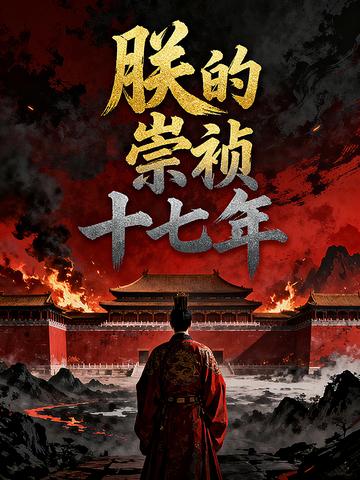
In 1644, atop Coal Hill, the Chongzhen Emperor of the Great Ming, Zhu Youjian, left behind the tearful words, “I am no ruler who would bring about the fall of a dynasty. All my ministers are ministers who would bring about its fall!” Then he hanged himself, giving his life for his country. To his dying day, he could not understand why seventeen years of striving to govern well and working himself to the bone had led only to the ruin of his country and the destruction of his family.
Told in the first person, this book lets you experience the tragic life of the Chongzhen Emperor firsthand. You will witness a young emperor who eliminated a powerful eunuch and had only just taken the reins of power, brimming with confidence and convinced he had the world under control; a hands-on “model worker” of an emperor who stayed up late reviewing memorials, using diligence to disguise his strategic laziness; a suspicious, mistrustful “tyrant in the workplace” who went through fifty prime ministers in seventeen years and executed seven supreme commanders, personally driving capable ministers and generals into the abyss; an impoverished emperor who begged for more taxes while stubbornly guarding the imperial treasury, recklessly testing the limits as the empire’s finances collapsed; and a lonely soul who, in his final hours, was abandoned by everyone, rang the palace bells to no answer, and could only stain the palace with blood before hanging himself for his country.
Open this book and hear Zhu Youjian’s tearful account. See how he squandered one winning hand after another, hitting every beat on the way to his dynasty’s downfall.
His story is a tragic tale of “watching yourself bring about your own ruin from God’s-eye view.”
So who, in the end, was to blame for all this?




The plot of the story is twists and turns and thrilling. From the first perspective, people can see the reasons why the Ming Dynasty finally perished. The story progresses layer by layer. I hope to see more exciting plots in the future.