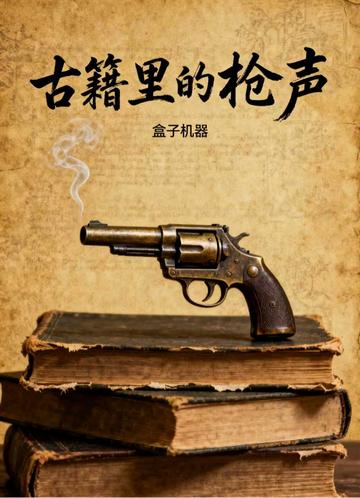
In the late autumn of 1938, Peiping fell to the iron heel of the Japanese army. Chen Yanzhi, an ancient book restorer at Liulichang's "Yan Gu Zhai", was involved in a life and death game. Yuichi Inoue, the head of the Japanese secret service, threatened the lives of his apprentice Xiaodouzi and his neighbors, and forced him to restore a Song-engraved version of "Zi Zhi Tong Jian" within three days as a "cultural gift" to the military. At the same time, Lao Zhou, an underground party member, secretly entrusted him to hide information about the Japanese army's western suburbs arsenal in a moth-eaten part of the ancient book Volume 189 (the chapter on the war in the late Sui Dynasty). Faced with the ancestral motto of "repairing the three no-nos", the pressure of hostage safety and the risk of intelligence exposure, Chen Yanzhi relied on unique skills such as "flying to hold" and "micro phase penetration" to launch a cultural secret war with Inoue at all levels of light transmission inspection and water sprinkling test. When blood accidentally dripped from his fingertips onto the page where the information was stored, the moment he covered up the blood stains with light ink, he not only completed the transmission of information, but also protected the dignity of the nation with civilized resilience. Half a year later, anonymous scraps of pages and inscriptions from the Northeast became the final echo of this silent contest.