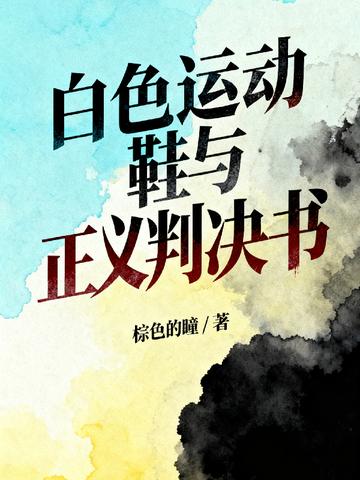
Eighteen-year-old Lin Yan brought her mother's old suitcase to seek refuge with her father's old friend Gu Chenzhou, a "low-level defender" at Jiangcheng Law Firm. With a cup of hot porridge and a note attached to the lamp, he quietly opened a door for the boy to let in the sunlight. Starting from Wang Deshun's work-related injury rights protection case, Gu Chenzhou taught him to look for the truth in the scaffolding inspection report, to capture the glimmer of redemption in the interrogation room of the minor robbery case, and to piece together innocence in the files of ten years of unjust cases. Behind each case file are the folds of small people crushed by life: the broken legs of migrant workers, the tears of teenagers, the insomnia of old people, and the brake marks of truck drivers. Gu Chenzhou always said: "The law is not a weapon, but a net for the weak."
Lin Yan grew up in the daily life of Gu Chenzhou's case files intertwined with hot porridge, from a teenager who was clumsy in cooking salted tomato scrambled eggs to a trainee lawyer who could independently fight for rent reductions for lonely elderly people. They collected witness statements in the alleys of the old city, listened to despair in front of the bars of the detention center, and shared the heat of oden cooking in convenience stores in the early morning. When the white sneakers were finally unsealed, and when the acquittal verdict fell into the palm of his hand, the young man discovered that the pen and ink on Gu Chenzhou's sleeves, the smell of cedar in the entrance hall, and the sugar paintings sandwiched in the case files had already been woven into a warmer protection than the legal provisions.