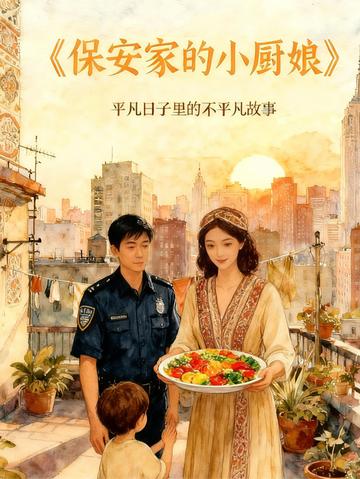
Chen Lei, a 32-year-old former hotel supervisor, was willing to take off his suit and change into a security guard uniform in order to take care of his pregnant wife; Mire, a 25-year-old who came to the city from Kashgar, Xinjiang to work, changed from a restaurant waiter to a full-time mother, making the rental house full of cumin fragrance.
When the diaper crisis at three o'clock in the morning hit meager wages, when the saltiness of Xinjiang milk tea and the sweetness of Han soy milk collided at the dining table, this cross-ethnic couple took their 4-month-old baby and started a "fighting" struggle in a 15-square-meter rental house - Chen Lei used wine The craftsmanship learned in the store helps neighbors repair home appliances to gain popularity, and Mire knocks on the door to make money with his authentic Xinjiang baked buns; they will argue about the baby wearing reverse clothes, and will be anxious about the rent due, but they always hold each other's hands, living the bottom life with the warmth of milk tea and the smell of baked buns.
There is no noble man from heaven, no overnight riches, only two ordinary people supporting each other: from the small cart at the door of the community to the chain store with the "Xiangyang Kitchen" signboard; from the security guard who is afraid of being laughed at, to the "boss" who can protect his wife and daughter; from the incomprehensible dialect to the concern of the flesh and blood. This is a story about love regardless of ethnicity and struggle regardless of class. It is also a true counterattack of a group of small people using fireworks to warm up their lives and change their lives from "make do" to "pay attention to".