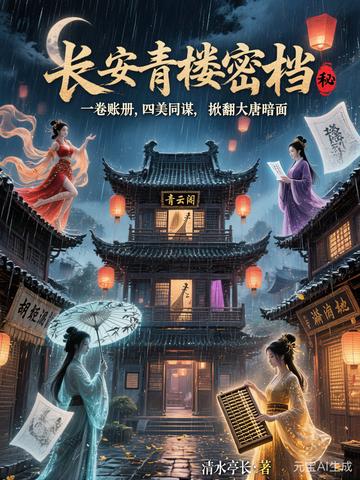
In the sixth year of the Taihe era under Emperor Wenzong of Tang, hidden among the pleasure houses of Pingkang Ward in Chang'an was an unlisted intelligence black market: the Qingyun Pavilion. Lu Chenzhou, the son of a disgraced official whose father and brother had died in prison three years earlier over the “Canal Transport Intelligence Leak,” volunteered to become the pavilion's new manager so he could uncover the truth. By day, he was a broker who procured beautiful maids for the rich and powerful. By night, he used coded ledgers to record Chang'an's most unspeakable secret dealings.
Hardly had he arrived when he became entangled in a bizarre murder case: a director of the Ministry of Revenue's finance bureau had dropped dead on the courtesan Yue Rao's embroidered bed, with half of the top-secret “Plan to Curb the Fiefs' Wealth and Grain” tucked against his chest. The other half, which should have been in evidence, pointed to clues about the wrongful case against the Lu family. Stranger still, within three hours of the murder, the Qingyun Pavilion received three secret letters in succession. One came from the reigning princess, Li Jinghong, who offered to exchange classified imperial archives for protection. Another came from Xue Lengyan, a female official of the Yeting Bureau, who claimed to possess hard evidence that palace servants had been poisoned. The last bore no signature, only a drawing of a jade hairpin stained with blood: the emblem of the consort implicated in the case three years ago.
Lu Chenzhou suddenly realized that he had not stepped into a den of pleasure, but into the heart of a web connecting the imperial court, the regional warlords, and the inner palace. And beneath the rouge-and-powder critiques on every page of the seemingly ordinary “Flower Appreciation Record” in his hands lay a code capable of rewriting the empire's fate...
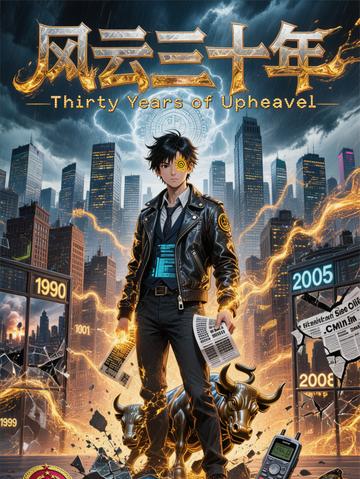 Reborn in America: Three Turbulent Decades
 Pure Yang Daoist Body: My Life Among the City’s Beauties
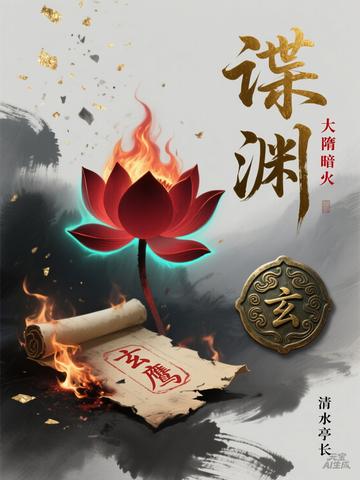 Abyss of Spies: The Sui Dynasty's Hidden Flame
 Reborn in 1990: The Mastermind Player
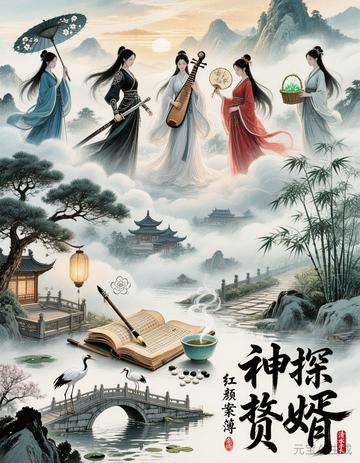 The Live-In Son-in-Law Detective: Case Files of the Beautiful Women
 A Lonely Lamp in the Snowy Land: The Three Realms