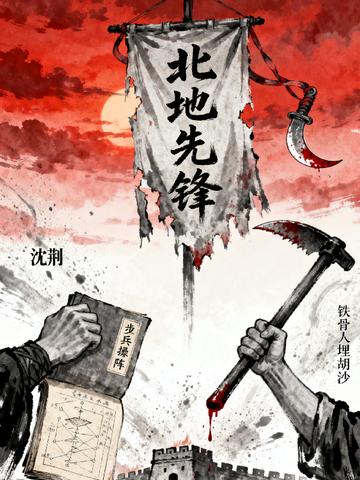
Chen Wu, a modern man obsessed with history, transmigrates to the Yongjia era during the Upheaval of the Five Barbarians after an argument, becoming A Wu, a low-ranking soldier who barely survives a heap of corpses.
When the book's account of “smoke-less lands stretching a thousand miles” becomes the cries of women and children and the cruel laughter of foreign tribes right before his eyes, and the Sima imperial house's corruption and the Jin army's looting are laid bare one by one, the hollow notion that “heroes emerge in chaotic times” shatters into the blood and bones of his people.
The Jie people devour humans like wolves, the Jin army fights over loot like rabid dogs, and the usurping Sima clan sits high in the imperial court, dragging the Central Plains into hell.
There is no golden finger, no heaven-defying stroke of luck, only a rusty woodcutter's knife, a group of numb refugees, and a heart set ablaze by hatred and fierce resolve.
Chen Wu grips the blade and swears amid mountains of corpses and seas of blood: he will defend the fortified village as his home, stand together with others for warmth, make the wolves pay in blood, and let the usurpers feel the people's fury.
This is the story of an ordinary man struggling to survive in a dark age of chaos, and a lament for the Han spirit, never extinguished, fighting back in blood.