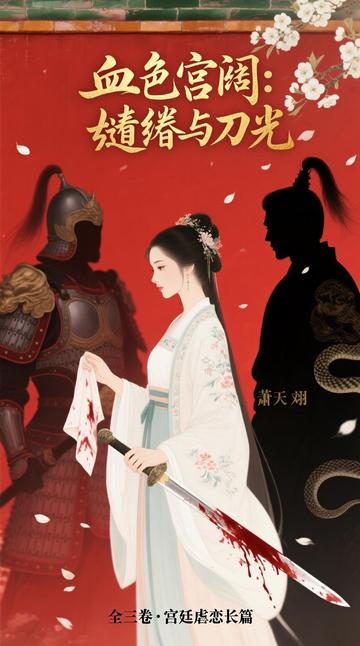
Lin Wanqing, an embroidery girl from Jiangnan, was involved in the palace and became a stand-in for the Eastern Palace because she looked exactly like the late princess. The prince Xiao Tianyi had a mixed love-hate relationship with her, and the ultimate honor and humiliation coexisted, trapping her in the cage of the shadow of his deceased wife. In the blood and tenderness, she hides her pride and secretly searches for the truth about her family's injustice.
Within the palace walls, everyone is a chess player. The noble daughter Xie Zhiyi is sane and sane, the second prince Xiao Tianrui is ambitious, and the old emperor is dim and suspicious. Love and hate, use and betrayal are intertwined here.
When the substitute mask becomes difficult to maintain and the injustice gradually emerges, Lin Wanqing finally wakes up. Using her body as bait and her embroidery needle as her blade, she grew from a chess piece at the mercy of others to a calm and vengeful chess player, vowing to tear apart the darkness and exchange for a clean dawn for the bloody past.
This is a tragic song for women struggling to survive in power and love and hate, an epic legend about revenge, growth and redemption. The ultimate stand-in literature is intertwined with power and intrigue. Let's see how the heroine breaks free from the shackles, leaving the prince in a dilemma of love and hate, and finally sublimating it in the tragic aesthetics.