Stats
Synopsis
Reader comments
In booklists 121
Explore more →


Look for High-Scoring Books, Don't Procrastinate, You'll Be Addicted as Soon as You Read Them
This is what I know



Stay up Late and Read Non-Stop High-Quality Novels




Abusing Husband Feels Good for a While, Chasing Him to the Crematorium
Abusing husband feels good for a while, chasing him to the crematorium


High-Quality Novels You Can Stay up Late to Read


Is There Any Kind of Momentary Pleasure in Abusing a Wife, Chasing Her to the Crematorium?
It's the kind where the front is particularly abusive, and the back is where the female protagonist abuses the male protagonist.




It Turns Out That He Will Really Kill Her Without Mercy...




My Bookshelf.




The Male Protagonist Is Dead, His Liver Hurts from the Abuse!
From beginning to end, only the male protagonist loves the female protagonist, and the female protagonist is purely engaged in her career! No lovers!




The Heroine Is Depressed, Crying All the Time, and Has No Sense of Security, Which Is Very Distressing.

Abuse Writing + Abuse to the Extreme + Crying in the Middle of the Night, Directly Lose More Than Ten Pounds
I want to lose weight recently, please write a sad article



I'm Out of Books, I'm Tired of Aesthetics, and I Think the Plot Is Cliche.
I want the kind of book where the heroine changes my life, the plot is novel, the characters are emotionally rich, the character is ridiculous, the outlook on life is upright, there are memes on TikTok in the book, and the article is written by an author with 5G network speed
Extremely Cruel, Cruel to the Point of Heartbreaking
I would like to read a book similar to "Love in Dragon City: Master Fu's Atoning Bride". The male and female protagonists are dual reborn. In the early stage, the female protagonist is sent to prison by the male protagonist and suffers a miscarriage. The female protagonist is terminally ill and the male protagonist regrets it. The male and female protagonists are reborn before getting married. The male protagonist chases his wife in the crematorium and abuses the female protagonist in the early




Abuse (Super Sad!!!) Is More Sadistic Than Bone Erosion. I Shed Tears.
Is there any super cruel article? ! The bone-eroding crisis didn't make me cry. Is there a situation where the male and female protagonists are very loving, but the male protagonist abandons the female protagonist for power, and then chases his wife in the crematorium?





Please Bring Out the Sacred Books with a Score of 9 or Above, Everyone.
About Shenhao

Two Men Forced in Ancient Times
Force


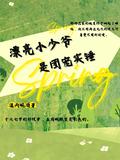


Two male protagonists! The group's favorite is the young master of a wealthy family. There is a hidden vest.


A Tragic Novel, Read It While Crying, Who🈶...




What Does It Look Like to Humble Yourself to the Extreme for Love? "I Am Willing to Be Used by You"
I hurt you and you still defend me everywhere. How could there be someone as stupid as you in the world?

1Vn with Multiple Male Protagonists + the World of Cultivating Immortals Is Best Completed
There are more Shura fields




The Heroine Has a Mental Illness and Gets Sick in Front of Her Parents and Brother.
The heroine has a mental illness and is found by her family. Her parents and brother only dote on the fake daughter, while only the hero dotes on the heroine. After that, the heroine kept showing off her vest, and the fake daughter revealed her true face, and then she was favored by her family, her brother, and the male protagonist.




I Beg the Heroine to Be Special, the Kind That Lies All Day Long and Doesn't Want to Move.
It's not impossible for the heroine to be a bitch, so wear it quickly and make sure there's no CP.




The Book I Listened to Yesterday Went There.





Is There a Male Protagonist Who Is Terminally Ill, Cruel, Violent and Desperate?
I want to watch something like "Only three months left to live, they came to beg me for forgiveness!" Book.

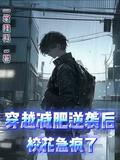



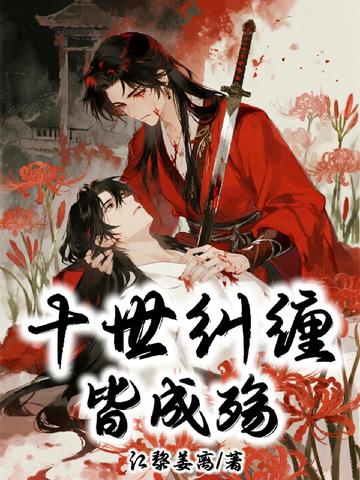
It's heartbreaking to be able to write about "time travel" and "reincarnation" so thoroughly. At the beginning of the chapter, the protagonist is thrown into the most desperate situation: taking the place of his enemy, he faces the cruelty and tyranny of the Demonic Supreme Being. He repeatedly emphasizes "I am not him", but only gets an even colder imprisonment. The author does not rush to advance the plot, but uses delicate brushstrokes to describe the protagonist's process from resistance to sinking. Piecing together the fragments of the past in dreams again and again, and understanding the love hidden under the cruelty in the other person's paranoid possession. Guilt and love are intertwined into a web, trapping people in this otherworldly cage. The ten reincarnations are the most amazing design of the story. Each life is a new beginning, but it carries the imprint of the previous life: either falling into the devil due to obsession, or killing each other due to fate, every encounter is a reunion after a long absence, and every love is a repeat of the same mistakes. The author does not beautify the pain, but directly writes the truth of "love wrapped in pain": the other party uses love as a bait to set up a scam, and the protagonist chooses to reincarnate after betrayal. However, after going round and round, they will still return to each other under the pull of fate. The blank space at the end is the most touching: the protagonist escapes back to his original life, but the other party spends everything to wait for thousands of years. There is no consummation of reunion, only the paranoia and affection of "I will wait for you where I am". It tells us that some love is destined to be a tragedy from birth, but even so, there are still people who are willing to spend ten lives or a thousand years in exchange for even a momentary embrace.
The themes of time travel, immortality, and sadomasochism are not new, but this book uses the setting of "ten reincarnations + identity dislocation" to create a different and new idea. The protagonist did not take the initiative to travel through time, but accidentally took on the identity of someone else in his dream, and was forced to get involved in the grudges between the original owner and the Supreme Being of the Demon World. The protagonist on the other side is not a simple villain. Behind his paranoia and cruelty, there is an unconscious love trapped by his identity and past. The story does not follow the routine of traditional sadistic novels. Instead, it uses a "love-as-bait game" to overthrow all the early foreshadowing and make the emotional tension instantly full. The setting of ten reincarnations is not a simple repetition. The encounter in each life promotes changes in the relationship between the two. It is not until the last life that all misunderstandings are revealed, allowing the belated deep love to become an obsession that lasts for thousands of years.
This is a "heart-breaking epic" disguised as a fairy tale. It uses the framework of ten reincarnations to turn a misplaced relationship into heart-breaking poison. The setting at the beginning is enough to create dramatic tension: a soul from another world takes over the identity of the original owner, and when he opens his eyes, he runs into the arms of the original owner's enemy, and this enemy is also the Supreme Being of the Demon World. This identity confusion of "who am I" and "who is he" has pushed the protagonist into a dilemma from the beginning. The author's portrayal of emotions is delicate and fierce. The protagonist goes from being ignorant and resisting at the beginning to gradually piecing together the truth in his dreams. Guilt and love eat up his reason little by little, turning him from "I am not him" to "I do". "Bear it for him"; while the Demon King expressed his love in the clumsiest way. He imprisoned the protagonist in the Demon Palace, used violence to cover up his uneasiness, and used paranoia to bind each other. However, in the protagonist's repeated alienation, he hid the deep love and waiting for ten lifetimes. This pull of "falling in love and killing each other" is not sweet at all, only the obsession with blood stains, which makes people feel depressed. The design of ten reincarnations gives this relationship a weight that transcends life and death. The encounter in every life is a fateful reunion, and the separation in every life is a destined tragedy. They continue to verify that "love and hate are two sides of the same body" in reincarnation, and look for traces of each other's existence in destruction. The most touching thing is the reversal of the ending: the protagonist chooses to escape in despair, but the demon king only sees his true heart after losing it, and spends a thousand years waiting for an uncertain reunion. This "belated understanding" makes all the abuse find its destination, and makes this relationship that has been entangled for ten generations the most unsatisfactory existence in fairy tales.
The anti-routine fairy tale sadistic novel does not have the thrill of cheating and counterattack, but only the despair and pull that permeates the story from the beginning. The setting of a woman wearing a man's body itself has a sense of fragmentation: the protagonist has modern memories, but is trapped in a body full of hatred, facing the violence and imprisonment of the devil's supreme being. The initial resistance was instinctive, but after being repaired again and again, she gradually saw clearly the paranoia behind the other person's cruelty - not hating this body, but hating "his" betrayal, and fearing that "he" would disappear again. The author uses "dream" as a key to slowly reveal the truth of the entanglement in ten lives. It turns out that every encounter is not accidental, and every injury hides unspoken love: the other party uses love as bait, just because he wants to keep "him" by his side forever; the protagonist's resistance and disbelief is just because he is afraid of falling into the cycle of destruction again. In ten lives, they went from enemies to lovers, from staying with each other to killing each other, and their identities changed again and again, but the nature of "entanglement" never changed, and the "tragic" ending never deviated. The most touching thing is the growth of the protagonist: from the initial ignorance and resistance, to the subsequent sinking of guilt, and finally to the desperate return home, she finally understands that some bonds are engraved in the soul and cannot be severed even across life, death, and reincarnation. But the other party only saw his heart clearly after losing it, and exchanged a thousand years of waiting for an unknown reunion, and vividly interpreted the sentence "Love to the extreme is destruction".
Covered in the guise of a fairy tale, it is essentially a heart-wrenching epic about love and redemption. The author uses elements such as cultivating immortals, the devil world, and reincarnation to build a grand world view, but focuses his writing on the emotional entanglement between Jiang Li and Shang Ying. There are not too many redundant subplots, and every plot adds to their relationship. From the tension when they first met, to the temptation and tenderness in captivity, to the collapse and betrayal after the truth was revealed in the dream, the rhythm of the story is very well controlled, and the abuse points are progressive, but with a hidden sugar. Especially Jiang Li's despair when he fell from the clouds to the bottom after learning that everything was just Shang Ying's game was deeply portrayed by the author. In the ending, Shang Ying's thousand-year wait also left a trace of tender hope for this broken relationship, which makes people feel sad after watching it but can't help but recall it.
The fetters that have passed through ten generations have been mixed into a love and hate that spans time and space by the author. From the misunderstanding and imprisonment when they first met, to the guilt and sinking when the truth was revealed in the dream, to the discovery that love is just a carefully planned game, every struggle of Jiang Li is like a dull knife, repeatedly cutting the readers' hearts. The sense of alienation brought about by the misplaced identity and the inability to control oneself in the cycle of fate made this relationship destined to be broken from the beginning. When Jiang Li gave up in despair and returned to the original world, Shang Ying finally saw his heart clearly and waited for thousands of years to repay. This is not a simple love-hate relationship, but two people who were pushed away by fate. In the repeated misses, their love turned into an unsolvable reincarnation. The stamina is so great that after reading it, I still sigh for their regrets. Come on! [Blow a kiss][Blow a kiss][Blow a kiss][Blow a kiss][Blow a kiss]
"Abuse" is written very deeply. It is not a simple physical injury, but a double mental and emotional abuse. The root of all this comes from "identity misplacement" and "fateful reincarnation". The time travel at the beginning is like a key, opening a Pandora's box of love and hate for ten lifetimes. The protagonist, with the cognition of modern people, accidentally travels through time in a dream, and is forced to take over the grievances of the original owner. Facing the punishment and imprisonment of the demon king, every excuse he makes deepens the misunderstanding between each other, and he gradually falls into this game that uses love as bait. The author's control over emotions is exquisite. The protagonist's struggle in the Demon Palace, from the initial survival to the later guilt and love, is heart-wrenching every step of the way; and the Demon King's paranoia and affection are gradually revealed in the conflicts. He imprisons the protagonist beside him, uses violence to cover up his uneasiness, and uses possession to disguise love, but he dare not tell the other party that these ten lives of waiting have always been for him. This kind of forbearance of "I love you but I dare not say it, I can only use hurt to keep you" makes this relationship full of broken beauty, and makes readers feel heartbroken and can't help but sigh for their fate. The design of ten reincarnations gives this relationship an epic pattern. They meet again with different identities and go to destruction in different fates. The tragedy of each life confirms the proposition that "love to the extreme is destruction". It is not until the protagonist chooses to escape in the end that the Demon Lord finally sees his true heart and uses a thousand years of waiting to make up for the debts of the ten lives. This deep love of "waiting for you for a thousand years" gives all the abuse a home, and makes this entangled relationship for ten lifetimes the most unforgettable classic in fairy tales.
The most touching thing about this work is that it blends the contradiction between "fate" and "choice" into the love and hate of ten reincarnations. The time travel at the beginning is not an accident, but a continuation of ten generations of obsession. The protagonist breaks into the world of immortals with the memories of modern people, but is forced to take over the grievances of the original owner. Facing the punishment and imprisonment of the demon king, every time he resists, he deepens the bond between each other and gradually uncovers this scam in the name of love. The author is very good at creating a "sense of fragmentation". Every breath and every excuse of the protagonist in the Demon Palace is filled with powerlessness against fate. He is obviously an outsider, but he is involved in the love and hate of the original owner, and gradually loses himself in the paranoia of the Demon Lord; and the shape of the Demon Lord Xiang is full of contradictions. He is the supreme king of the demon world who kills decisively, but when facing the protagonist, he reveals his softest weakness. He wraps his love with ruthlessness and trades imprisonment for companionship, but he dare not tell the protagonist that the ten lives of waiting have always been for him. This kind of forbearance of "I love you but I dare not say it, I can only use hurt to keep you" makes this relationship full of tragic beauty. The narrative of ten reincarnations gives this relationship an epic pattern. They met in different eras, either as immortals, demons, or mortals. Each life carried fragments of memory from the previous life, entangled in love and hate, and reborn in destruction, but they could never escape the fate of "loving each other but not being able to stay together." It was not until the protagonist finally chose to return to his original life that the Demon Lord finally put aside all pride and pretense, and used a thousand years of waiting to make up for the debts of the tenth life. This deep love of "waiting a thousand years for you" makes all the abuse meaningful, and allows readers to feel the most extreme form of love in the midst of regret.
It is difficult to find a fairy tale novel that can write "abuse" in such a layered manner. It does not abuse for the sake of abuse, but roots all the pain in the background of "dislocation of identity" and "reincarnation of fate". The conflict at the beginning is eye-catching enough: a soul from another world opens its eyes and faces the blood feud of its original owner, and the enemy happens to be the most powerful person in the demonic world. This desperate situation of "no escape" sets the depressing and intense tone of the story from the beginning. The struggle of the protagonist is very real. He is not a born strong man, but an ordinary person who is accidentally involved in the world of Xianxia. He uses modern logic to fight against the paranoia of the Demon Lord, and uses clumsy excuses to gain living space. However, after being repaired and imprisoned again and again, he gradually realizes that he has been trapped in the quagmire of emotions. And the image of the Demon King is not a weak villain. His cruelty hides ten lifetimes of waiting, and his imprisonment is wrapped in a love that he dare not express. This twisted logic of "I love you so I hurt you" is exactly the most poignant part of this relationship. The narrative technique of ten reincarnations gives this relationship an epic and heavy feel. Each life is a new beginning, but with the obsessions and scars of the previous life, they meet again with different identities, and then go to destruction with different fates. This recurring tragedy gives the word "entanglement" a concrete form. It was not until the protagonist finally chose to return to his original life that the Demon King finally put down all pretense and spent thousands of years of waiting to make up for the debt he had suffered in the tenth life. This belated awakening brought the sadomasochism of the whole story to its peak, and also allowed readers to understand the deep feeling of "loving to the extreme means being willing to wait for you for thousands of years" in regret.
The most touching thing about this book is never simple love and hatred, but the emotional web called "fate" that the author has woven through ten reincarnations. Jiang Li broke into another world with his modern soul and faced the demon world's supreme shadow as the original owner. From the initial perfunctory explanation to the subsequent physical and mental sinking, he stepped on the tip of a knife every step of the way. And Shang Ying's paranoid love hidden under the extreme cruelty, from imprisonment to setup, from temptation to loss of control, makes readers feel sorry for the protagonist but also can't help but sigh for this twisted affection. There is no absolute right or wrong in the story, only misplaced identities and belated sincerity. When Jiang Li let go and returned to the original world in despair, Shang Ying saw his true feelings clearly and spent a thousand years of waiting in exchange for a reunion. This setting of "love to the extreme is destruction" gives a layered sense of sadomasochism. It is not torture for the sake of torture, but makes every injury a footnote in the cycle of fate. It has so much stamina that you won't be able to get out of it for a long time after watching it. Its abuse is never a superficial injury, but a spiritual torment that goes deep into the bone marrow. Jiang Li broke into another world with the soul of a modern man, and was forced to take over the grudges of the original owner. Faced with the misunderstanding and imprisonment of Shang Ying, he explained again and again, but was ignored again and again. Finally, he found the truth in the dream, let down his guard and fell in love, but found that everything was a scam carefully planned by the other party. This feeling of falling from the clouds into the mud is more suffocating than any injury. Shang Ying's abuse was hidden in the thousand years of waiting after his loss. He exchanged the hurt of ten lifetimes for Jiang Li's despair, and then used a thousand years of loneliness to repay it. This belated affection can never be exchanged for the person he was before. The author does not use bloody plots to pile up abuse points, but uses delicate psychological descriptions to vividly describe the pain and struggle of the characters, and every detail will bring tears to the eyes.
I thought it was a common time travel story, but I didn't expect that the author used the setting of ten reincarnations to write the story into an epic sense. The conflict at the beginning is extremely tense. The protagonist travels through time with modern people's cognition. Facing the original owner's mortal enemy, the Demonic Supreme, he wants to save his life but can't help but speak harshly. In the end, it ignites the other party's paranoid possessiveness. The early trials and discussions, the later truths and betrayals, the plot of each life is not a simple repetition, but the past entanglements between the two are gradually revealed layer by layer, especially the reversal of a game using love as bait, which instantly turns all the sweetness in the early stage into a knife, making it difficult for people to guard against. The author's control of the rhythm is very good. The sad points and foreshadowing are well interspersed. The further you read, the more you can feel the heaviness and despair of fate and love.
The most poignant thing about this book is that it writes "abuse" into the bones and blood. In an unexpected time travel, the protagonist assumes someone else's identity, and as soon as he opens his eyes, he meets the cold gaze of the Supreme Being of the Demon World. From the initial misunderstanding and hurt, to the guilt and heartbeat when the truth is revealed in the dream, to the discovery that love is just a carefully planned scam, every emotional reversal is like a dull knife, repeatedly cutting the readers' hearts. In the ten reincarnations, the two were repeatedly entangled in love and hate, and hurt and obsession followed each other. It was clear that their hearts went in both directions, but they were pushed to destruction time and time again by the gears of fate. It wasn't until the protagonist left in complete despair that the other party finally saw his true heart and began the long pursuit of a thousand years of waiting. This kind of extreme love, destruction and miss, has such a lasting power that people can't put it down after reading it for a long time.
The character development in this book is superb. From the protagonist Jiang Li's ignorant survival at the beginning to his despair after being repeatedly hurt in the later stage, the character arc is complete and real. The image of the protagonist Shang Ying on the other side is even more complex and three-dimensional. His cruelty and paranoia, the unconscious love hidden under the hurt, and the regret after loss are all deeply portrayed. His early hurt was not pure malice, but paranoia trapped by past grievances and identity dislocation. The setting of millennium waiting in the later period made this belated affectionate and heart-wrenching. The emotional interaction between the two is full of tension. There are no bloody misunderstandings, only the inevitable tragedy caused by misplaced identities. Every pull makes people heart-wrenching. It's pretty good, come on
After reading this novel, I understand what "love to the extreme is destruction". There is no cliché sweet pet, no easy reconciliation, and the word "abuse" is nailed into every detail from the beginning: the protagonist travels through time and becomes an enemy, and is severely repaired by the Demon World Supreme when he opens his eyes. In order to protect himself, he repeatedly emphasizes "I am not him", but only in exchange for a tighter imprisonment. The other party's cruelty is not without reason, it is the obsession and pain that has been hidden for ten lifetimes, and it is the extreme protection of fear of losing it again. The narrative structure of ten reincarnations makes this love and hate thick and heavy. Every life is a brand new beginning, but it carries the mark of the previous life: either because of power, or because of fate, each other has to pay the price of destruction, and every separation has to consume half a life's energy. The author does not shy away from the complexity of human nature: after the protagonist learns the truth, she feels guilt for the original owner and love for the perpetrator. The two emotions pull her, causing her to jump repeatedly between sinking and escaping; while the other party uses the clumsiest way to love, hiding love in violence and burying affection in imprisonment, but ultimately ends up "using love as bait to trap herself". The blank space at the end gives readers unlimited imagination: the protagonist escapes back to his original life, and the other party burns everything and waits for thousands of years. There is no perfection, only obsession. It tells us that some love is destined to be a tragedy from the beginning, but even so, there are still people who are willing to spend ten reincarnations and thousands of years waiting for a reunion that may never come. This is not stupidity, it is a bond engraved in the soul, and it is the only choice after loving to the extreme.
This is a fairy tale with "sense of fate" and "sadism" engraved into the bones and blood. It opens with a very impactful dislocation - a soul from another world breaks into a demon palace surrounded by enemies. The setting of a woman wearing a man's body itself carries a layer of alienation barriers, making the protagonist fall into a futile excuse of "I am not him" from the beginning, and this excuse happens to be the fuse that ignites the demon king's anger. The author is very good at using extreme contrast to stir emotions: on one side, the protagonist, with modern cognition, struggles to survive in the violence and confinement of the Demon Palace; on the other side, the Demon Lord wraps his love with paranoia, disguises "possession" as punishment, and turns "waiting" into ten lifetimes of obsession. Every fragment of truth in the dream disintegrates the protagonist's defense little by little, making guilt and love intertwined into a web. It is not until the end that it is discovered that those tenderness and cruelty are just a scam using love as bait. The structure of ten reincarnations is the biggest highlight. It stretches a relationship to span the dimension of life and death, making every encounter in every life bear the mark of fate: either falling into a demon due to obsession, or killing each other due to fate. Every destruction confirms the proposition that "love to the extreme is destruction." The most touching thing is never the sweetness of staying together, but the determination to fight for each other in every life despite knowing that the ending is tragic. It is the words "I finally see my own heart clearly" that the Demon Lord said in exchange for thousands of years of waiting after the protagonist died. This kind of deep affection with a sense of fragmentation is more powerful than perfection, and it is also more difficult to calm down.
Taking "reincarnation" as a unique entry point, a poignant story about love and obsession is constructed. Jiang Li and Shang Ying's ten-life entanglement is more like a long process of self-salvation. In the midst of hurting and being hurt, they slowly see each other's truest desires clearly. The most touching part of the novel is its complex interpretation of "love". Shang Ying's affection is hidden in the seemingly tough protection, and Jiang Li's sincerity is awakened in the collisions between dreams and reality. No one is absolutely right or wrong, only those who are bound by fate can't help it. The tragedy of the tenth life is not the end, but the only way for two people to learn to cherish after losing. The author uses delicate brushstrokes to skillfully combine the grandeur of the world of cultivating immortals with the delicate emotions of the characters, including the waves of grievances and resentments in the world and the lingering love between children. Although the story is based on tragedy, it leaves a warm hope at the end, allowing readers to shed tears for the characters while also feeling the power of affection that spans thousands of years. This is a masterpiece of sadomasochism that makes people immersed in it and revisited over and over again. It writes the true meaning of fate and affection in the entanglement of love and hate.
The most poignant thing about this novel is the love hidden in cruelty and the deception wrapped in tenderness. Shang Ying's imprisonment was never as simple as possessiveness. He hid his love in extreme hurt, and watched Jiang Li sink repeatedly between misunderstanding and the truth, but he forgot that he had already been moved by this game. Jiang Li breaks into a different world with modern people's cognition. From the initial indifference, to the later guilt and deep love, to the decisive departure after being betrayed, every emotional change is written delicately and truly. In the entanglement of ten lives, love and hate have long been intertwined into an inextricable web. They want to get closer, but they can't help hurting them, they want to escape, but they are pulled back to each other by fate. This feeling of pulling is too overwhelming, and every chapter is worrying about their relationship. It is not until the end that I understand that some love has the undertone of destruction from the beginning.
This is a fairy-tale novel that perfectly combines "sad love" with "a sense of fate". It has neither clichéd sweet pets nor deliberate cruelty. Instead, it uses the most delicate brushstrokes to depict a love-hate entanglement that spans ten lives. The setting at the beginning is enough to catch people: a soul from another world unexpectedly replaces the original owner, and when he opens his eyes, he faces the original owner's mortal enemy, the Demon World Supreme. This dislocation of "enemies meeting" makes the story full of tension from the beginning. The protagonist's growth line is very clear. He went from being ignorant and arrogant at the beginning to gradually understanding the truth in his dreams. The intertwining of guilt and love made him go from the sobriety of "I am not him" to the sinking of "I am willing to face it with you"; and the image of the Demon Lord is not a stereotyped villain. , His cruelty hides ten lifetimes of waiting, and his confinement is wrapped in unspeakable affection. He keeps the protagonist by his side and protects him in the clumsiest way, but inadvertently hurts the other party again and again. This kind of distortion of "I love you, so I torture you" is precisely the most poignant part of this relationship. The structure of ten reincarnations gives this relationship a thickness that transcends life and death. Each life is a new beginning, but with the obsessions and scars of the previous life, they continue to verify that "love and hate have the same origin" in reincarnation, looking for traces of each other in destruction, and each tragic ending deepens this fateful bond. The most touching thing is the ending: the protagonist chooses to escape in despair, but the demon king only sees his true heart after losing it, and spends a thousand years waiting for a reunion that may never come. This belated clarity and persistence give all the abuse warmth, and make this relationship that has been entangled for ten generations the most unforgettable existence in fairy tales.
This work takes "ten reincarnations" as the main line, weaving an extremely tumultuous tragic song of fate. The plot unfolds in the eternal entanglement between Jiang Li and Shang Ying: from "scars", "heart-eating curses", "humiliation" to "ambiguity" and "confusion", every reincarnation is a torture of love and hate and an emotional purgatory. The protagonist is imprisoned in the cage of memory, struggling between the dislocation of the "soul from another world" and the torment of "ice and fire". The fantasy beauty of the "sea of flowers on the other side" forms a cruel contrast with the extravagant desire to "forget". The author uses the polyphonic structure of "ten lives" to weave time travel, imprisonment, torture, tenderness and forgetfulness into a dense emotional network, so that the "closeness" of each reincarnation is soaked in the scars of the previous life and the trembling of the present, and ultimately points to the immortal obsession of the "Shadow of Sorrow" and the fateful end of "Sorrow". It is a reincarnation narrative poem with extremely high emotional concentration and immersion. The story is wonderful and very interesting.
"":,,,, In the ten reincarnations, hatred hides obsession and love wraps up pain, and each life ends in destruction. Until Jiang Li returns to the world in despair, Shang Ying waits like a madman for thousands of years - this is not a sweet pet, but a mutual destruction of love to the extreme. It is heartbreaking but makes people unable to help but sink into this fateful entanglement.
This work is based on the "ten reincarnations" and constructs an extremely intense and fatalistic epic of sadomasochism. The biggest highlight of the novel lies in its exquisite structure - with story links such as "Ten Lives and One Contradiction", "Ten Lives and One Demon Lord", and "Ten Lives and One Love", the grand narrative spanning ten lives and ten lives is broken down into highly emotional slices, clearly outlining the complete trajectory of the protagonist from traveling through substitution, imprisonment and torture, to knowing the truth, intertwining love and hate, and finally falling into a cycle of destruction and entanglement. The author sets the tone with "love as bait" and "tragic ending", and vividly renders the extreme push and pull of "brutal cruelty to hide love" and the powerlessness of "fatal killing". The author's delicate writing style ensures that this heart-wrenching and addictive entanglement can be savored carefully. It is a good choice for readers who prefer strong emotional conflicts and fatalistic aesthetics.
The novel about a woman wearing a man's clothes and two male protagonists can actually taste a little sweet. The author's imagination is very good! Overall, the structure of the article and the sophistication of the writing style are also very good, and the idea of cultivating immortality is also good. It is a very high-quality article on cultivating immortality!
"Ten Lifes of Entanglements Are Resulting in Tragedy" can be called a masterpiece of time-travel sadism! The setting of a woman wearing a man's body is novel and eye-catching. The ten-life entanglement between Jiang Li and the Demon World's Supreme Shadow is heart-stirring. The ultimate emotion of cruelty hiding love is deeply portrayed. The pull of love and hate in the cycle of fate makes people immersed in it. Every tragedy touches people's hearts. The better it is, the more delicious it is!
Love will be deep for ten lifetimes, and all ten lifetimes will be filled with sorrow. The most touching thing about this ancient saying is the persistence of a moth flying into the flame despite knowing the tragic ending. Every encounter in this life is like a reunion, and every time we spend together is like stealing. The net of fate is getting tighter and tighter, turning love, hate, anger and ignorance into medicine that penetrates the intestines. After reading it, I was filled with sadness, endless love and shallow connections, and endless twists of fate.
I read the first book and then read the second one. Ten lifetimes of entanglement! God, this is too cruel! The first life was all kinds of extreme pulling and pulling. Some of the plots made me want to get into the book and beat up Shang Ying! Love, hate, deep sadomasochism, the reincarnation of fate!
I was so tortured to the core that I cried to death. The author's writing style is also very good, and he can write so vividly. I had never read about cultivating immortals before, but after reading this book, I fell in love with similar themes. Five-star support!
The plot is exciting! The story about a woman wearing a man's body and cultivating an immortal was so exciting to me. The ten-life entanglement between Jiang Li and Shang Ying was both abusive and overbearing. The cruel and affectionate behavior of the Demonic Supreme Being was so intense that I couldn't stop following it! [Like][Like]
This is the best book with two male protagonists that I have read recently, and the idea of a woman dressing as a man is even more imaginative! What a rare and good book! I will always be with you and keep loving it! ! ! I really like it! ! ! !
The content of the novel is about two male protagonists, one of whom is a woman wearing a man's clothes. It can be said to be very imaginative. The story has ups and downs, the plot is unconventional, and there is a little sweetness in the love and hatred. Not bad, good, please support [like][like][like]
The novel has novel ideas and the writing is smooth and delicate. It is suitable for experiencing emotional entanglements at a slow pace. It is worth reading for specific groups of people! Come on, author! Follow-up updates.