When the modern soul meets the end of the Tang Dynasty, the stunning princess and the cultivator king parachute onto the battlefield of Talos, and a war and love destined to overturn history begins! In 751 AD, the Arabian Empire's floating fleet and the elite troops of the black-clad warriors, armed with the strange power rumored to come from the "Oriental Immortal Master", directed their troops towards Talas, an important border town of the Tang Dynasty (near today's Tokmak, Kazakhstan). A war that combines the mighty ancient cold weapons, the iron blood of foreign barbarians, and a hint of unusual cultivation secrets is about to break out. Our hero, an ordinary young man from the 21st century, Xiaoxiao, accidentally traveled through time and space and became an ordinary soldier in the Talos War that changed the pattern of Eastern and Western civilizations. Even more importantly, he became a direct participant and influencer of this war. Author: Every time I see the Battle of Talas, I always feel a sense of regret, hoping that the Tang Empire will fight back.
Reader comments
When the real historical node of the Battle of Talos meets the collision of time-travel settings and fantasy elements, this novel work that breaks away from traditional historical narratives is created. The author uses the unique perspective of "travelers who have personally experienced the war" and is not limited to restoring battlefield scheduling and historical conclusions. Instead, he uses fantasy imagination as the skeleton, allowing readers to touch the daily life of the Tang Dynasty army, the weirdness of foreign battlefields, and the ups and downs of individuals behind the war from the microscopic perspective of an "insider."
This kind of overhead reconstruction is not a dissolution of history. Instead, it uses fantasy settings to fill the gaps in historical records. For example, it uses fantasy capabilities to show the tactical game that is difficult to visualize on ancient battlefields, and uses the collision of the modern thinking of the time traveler with the context of the Tang Dynasty to create dramatic tension, making the originally distant historical battles perceptible and empathetic. It is not only a fantasy novel with a refreshing feel, but also a new attempt to activate historical memory with literary imagination, opening another window for readers to view the Battle of Talas.
It's a good entry point. I haven't stayed up late reading like young people for a long time. I stayed up until 5 o'clock today. Like it👍
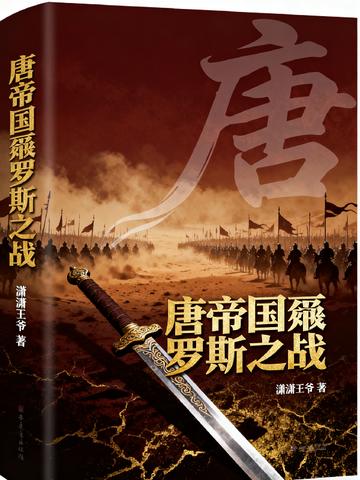
When the real historical node of the Battle of Talos meets the collision of time-travel settings and fantasy elements, this novel work that breaks away from traditional historical narratives is created. The author uses the unique perspective of "travelers who have personally experienced the war" and is not limited to restoring battlefield scheduling and historical conclusions. Instead, he uses fantasy imagination as the skeleton, allowing readers to touch the daily life of the Tang Dynasty army, the weirdness of foreign battlefields, and the ups and downs of individuals behind the war from the microscopic perspective of an "insider." This kind of overhead reconstruction is not a dissolution of history. Instead, it uses fantasy settings to fill the gaps in historical records. For example, it uses fantasy capabilities to show the tactical game that is difficult to visualize on ancient battlefields, and uses the collision of the modern thinking of the time traveler with the context of the Tang Dynasty to create dramatic tension, making the originally distant historical battles perceptible and empathetic. It is not only a fantasy novel with a refreshing feel, but also a new attempt to activate historical memory with literary imagination, opening another window for readers to view the Battle of Talas.
It's a good entry point. I haven't stayed up late reading like young people for a long time. I stayed up until 5 o'clock today. Like it👍