Introduction to Reborn in Ancient Times to Farm and Develop the Economy
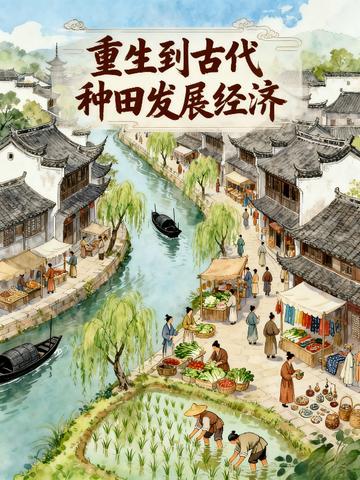
In the early years of the Zhenguan era, hope dawns at a turning point in the fortunes of Qing Shan Village, a poor and remote settlement. Fifteen-year-old Lin Mo is unexpectedly reborn, carrying modern knowledge of economics and technology and taking on the mission of changing his village's fate. He uses hybrid breeding techniques to improve crops and free the villagers from hunger, beginning a quiet yet sweeping transformation.
With a strategy of steady, careful steps, Lin Mo leads the villagers forward in agriculture, handicrafts, and commerce. They reclaim wasteland and introduce sweet potatoes and corn, then design canals to solve irrigation problems. They build brick kilns to produce bricks and tiles, and after countless failures, develop a simple form of cement. At nineteen, Lin Mo establishes a solid trade alliance with traveling merchants, attracting traders from far and wide with specialty wines, fine pottery, and other goods. When waves of refugees arrive, he welcomes them with open arms, turning workers with varied skills into a driving force for development. By the time he is twenty, Qing Shan Village has become a carefully planned ancient city with all the necessary facilities.
The story's complex relationships intertwine to create a moving tale. Lin Mo uses his modern medical knowledge to cure Empress Zhangsun's longstanding ailment, earning favor at court. He meets and falls in love with Princess Li Lizhi, but their engagement brings unexpected complications. Meanwhile, more than fifty vividly drawn villagers, including blacksmiths, scholars, and hunters, each contribute their talents to a lively portrait of village life.
With the ancient city newly built, Lin Mo turns his attention to heavy industry reform. But his growing influence has caught the court's attention. Facing both the pressure of imperial authority and romantic turmoil, how will Lin Mo use his wisdom and strategy to continue his legend? This work