In a grand old mansion, autumn rain pattering outside, Su Wanqing, once a privileged young lady, stood before Young Marshal Ling Mochen. She twisted the hem of her clothes with slender fingers and murmured, barely audible, “At first, you said you’d only protect me as your little sister. Later, somehow, things changed...”
That night, Ling Mochen coldly slapped away the hand she had stealthily reached toward him. “Su Wanqing, explain yourself. Who was the first to cross the line?”
At first, he had scoffed at his advisers’ warnings. “Rabbits don’t nibble the grass by their own burrow. If I’m going to marry, it’ll be a woman from a family on equal footing with mine. No one’s foisting some fallen orphan girl on the Marshal’s residence.”
Later, with her soft, fragrant body in his arms, he murmured, “Wanqing, I was blind.”
A beauty of turbulent times who looks delicate and vulnerable but conceals her edge VS a stern young marshal who seems decisive and ruthless, yet willingly bows to her.
Childhood sweethearts, one-on-one romance
Note:
1. The heroine is beautiful, strong, and tragic; the hero is powerful and a jerk. Their feelings for each other simmer beneath the surface.
2. The story combines the fate of the nation with schemes within the household, with a touch of mystery.
3. A mix of sweetness and angst, with a guaranteed happy ending.
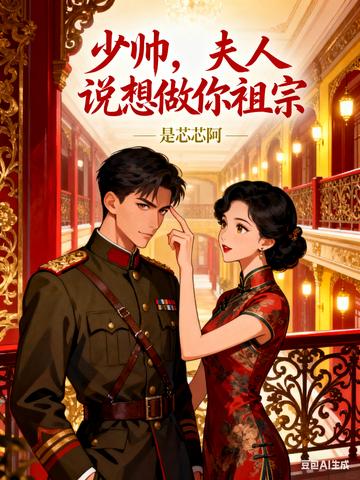
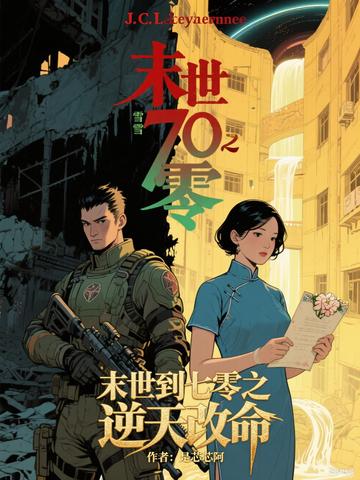
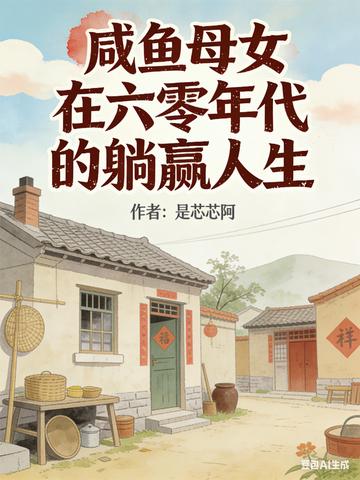
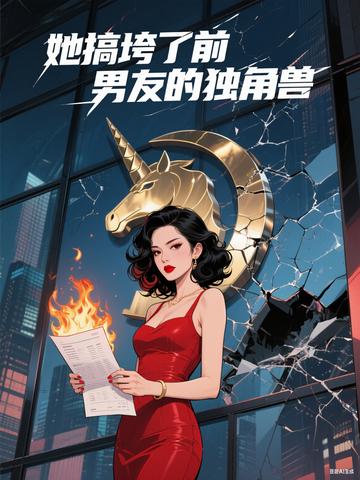
The novel is set in the troubled times of the Republic of China, and outlines a picture of an era full of power and true feelings. The author's writing style is delicate. The image of sycamore trees in the autumn rain at the beginning of the chapter depicts Su Wanqing's sadness and tenacity as she falls from the clouds to the dust and mud. Ling Mochen's appearance is like a shock in the dark night. There are complex emotions hidden under the cold military uniform. The emotional pull between the two is full of tension between the virtual and the real test. The novel not only focuses on love and hatred at home, but also weaves family grudges and factional games into the narrative. Su Wanqing's setting of using incense to find a way out is particularly subtle, showing the difficult choice between dependence and independence of a woman in troubled times. Details such as poems, letters, spices and chess games in the article all contain hidden ingenuity. It embodies the elegance of the Republic of China without losing the desolation of the ups and downs of fate. It is worth reading carefully.