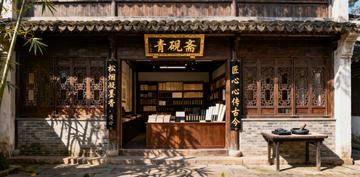
In 1932, Li Qinghe, an orphan from northern Jiangsu, set foot in the Yang family in Suzhou as a child bride. Hidden in the bloodstains on her bound feet was her obsession with secretly learning ink art - from identifying the nature of ink in stove ashes to breaking the monopoly of pine smoke with plant gray ink. She used an ingot of ink to hold up the plaque of "Qingzhuzhai", and even in the Japanese artillery fire, she dragged her child into exile in Jinling with half of the ink and the "Seven Miles of Mountain Pond".
The rain of troubled times is wrapped in the fragrance of ink and the folds of fate: the eldest daughter Yang Hongying carries the ink prescription sewn by her mother in the medicine box and travels through the smoke of war as a field nurse; many years later, the granddaughter Lu Chunlan walks through the streets carrying a salesman's load. Next to the herbs on the load, there is always the polished red sandalwood abacus - it is the "conscience scale" on which Li Qinghe has calculated ink accounts and livelihood.
From the bluestone slabs in Guixiang, Suzhou, to the stalls of the Confucius Temple in Nanjing, the fingertips of three generations of women have been stained with the black of plant ash, the yellow of herbal juice, and the blood and tears of the torrent of the times. The rain in the south of the Yangtze River has fallen for a hundred years, the ink ingots have changed their shapes, and the medicine boxes have added patina, but the words "the heart is upright and the ink is pure" are always engraved in their bones and blood: ink goes with people, and people stay with their souls. An ingot of ink and a stall in the rain and mist are the roots they have taken root in the years...