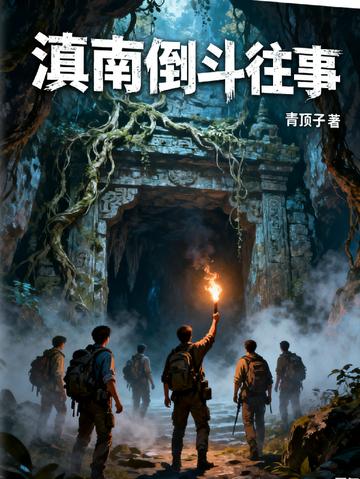
Tomb robbery, gold digging, antiques, cultural relics, adventure, treasure hunting.
Taking the early stage of reform and opening up in the 1980s as the background, it focuses on the special stage of "the rise of self-employed + chaotic cultural relics market + incomplete commercialization of ethnic minority culture" in southern Yunnan - the street stall game in Panjiawan Antique Street (fake cultural relic traps, farmers selling treasures), and the "original folk customs" of Yishan Miao Village (Bimo presided over the funeral, and the inheritance of witchcraft and Gu was not made into a mystery), and the government cultural relics protection department "passively intervened" (relying on reports from the masses instead of active inspections), filling the gap in similar tomb-robbery novels that are "either ancient or modern, rarely in the transition period of reform and opening up", and have both a sense of reality and nostalgia for the times.
Reader comments
I never get tired of looking at golden antiques, so keep chasing them
I love reading inverted fighting novels. I loved this one.
The development of the story is clear and linked link by link, making people eager to know the follow-up.
The plot is very novel. It is a novel that makes people stay up late to finish it. The author will update it soon.
The characters are three-dimensional and vivid, the protagonist is not perfect, and the struggle and transformation in growth are real and tangible. What a great book!
I never get tired of looking at golden antiques, so keep chasing them
I love reading inverted fighting novels. I loved this one.
The development of the story is clear and linked link by link, making people eager to know the follow-up.
The plot is very novel. It is a novel that makes people stay up late to finish it. The author will update it soon.
The characters are three-dimensional and vivid, the protagonist is not perfect, and the struggle and transformation in growth are real and tangible. What a great book!