The workplace is like a chess game, and there is no turning back - this book uses 100 real stories from agencies, state-owned enterprises, and grassroots to reveal the truth of the game in the workplace, and also hides the shadow of every struggler.
Some people struggle with the boundaries of kindness in the "give up promotion ticket", some people are in desperate situation because of the "report letter of the candid photographer", and some people, like Shen Yan, uncovered the truth about people's livelihood in the "water accumulation point" in the anger on the day of the interview; the 50-year-old section chief made a desperate comeback for "face", the 30-year-old deputy section chief was reborn after collapsing under the pressure, and the retired second-line secretary used the "devolution revolution" To break the deadlock, each case pokes the pain point of people in the workplace: do you want to be a "foolish person" who goes along with the crowd, or are you a hard-core person who "acts by the rules"? Should we stay in the "promotion game" or keep our "responsibilities in leaving traces"?
There are no empty truths here, only vivid details: the redemption hidden in the bells of the shoe repair shop, the warmth behind the empty seats in the choir, the survival wisdom in the "pretending to be stupid" in the archives, and even the warnings about the "pit of greed" in the anti-corruption storm. They are all restoring the reality of the workplace - there are "edges on the conference table" and "measurement before the tea table"; there are "whirlpools in rumors" and even "tracks in the snow".
In the end, you will find that the way to win a chess game in the workplace is never to defeat the opponent, but to be like those who stick to their true intentions: Gao Ming resists doubts and chooses the archives room, Lin Xi finds evidence in the temperature difference of the attendance sheet, and Shen Yan collects golden ideas in the soil amid criticism. The so-called "winning chess" is nothing more than bounded moves and unbounded original intentions.
Reader comments
"The Chess Game in the Workplace" is a heartfelt record of the workplace. Zhang Yuankun uses 300 real stories from agencies and state-owned enterprises to turn the workplace into a chess game: some struggle with the boundaries of kindness in "giving promotion tickets", others survive in desperate situations in "report letters", the 50-year-old section chief makes a comeback, and the 30-year-old deputy section is reborn, all are shadows of strivers. There is no empty truth in the book. The bell in the shoe repair shop hides salvation, and the "pretending to be stupid" in the archives hides wisdom. The final point is that winning in the workplace does not rely on defeating the opponent, but relies on "bounded moves, but no bounded original intention."
Opening Zhang Yuankun's "Collection of Human Fireworks Stories" is like plunging into the bustling city life. There are no earth-shattering legends in the book, only 300 ordinary stories hidden with tears and wisdom. Shoe repairman Lao Yang fell ill after rescuing someone, and his neighbors silently helped him. Chairman Li Mingguan was in crisis, and his family secretly protected the company. In these stories, there is goodwill, wisdom, and the most down-to-earth way of life of the Chinese people, allowing people to see perseverance and tenderness in the smoke.
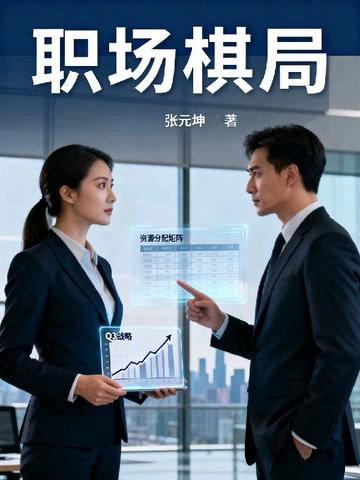
"The Chess Game in the Workplace" is a heartfelt record of the workplace. Zhang Yuankun uses 300 real stories from agencies and state-owned enterprises to turn the workplace into a chess game: some struggle with the boundaries of kindness in "giving promotion tickets", others survive in desperate situations in "report letters", the 50-year-old section chief makes a comeback, and the 30-year-old deputy section is reborn, all are shadows of strivers. There is no empty truth in the book. The bell in the shoe repair shop hides salvation, and the "pretending to be stupid" in the archives hides wisdom. The final point is that winning in the workplace does not rely on defeating the opponent, but relies on "bounded moves, but no bounded original intention."
Opening Zhang Yuankun's "Collection of Human Fireworks Stories" is like plunging into the bustling city life. There are no earth-shattering legends in the book, only 300 ordinary stories hidden with tears and wisdom. Shoe repairman Lao Yang fell ill after rescuing someone, and his neighbors silently helped him. Chairman Li Mingguan was in crisis, and his family secretly protected the company. In these stories, there is goodwill, wisdom, and the most down-to-earth way of life of the Chinese people, allowing people to see perseverance and tenderness in the smoke.