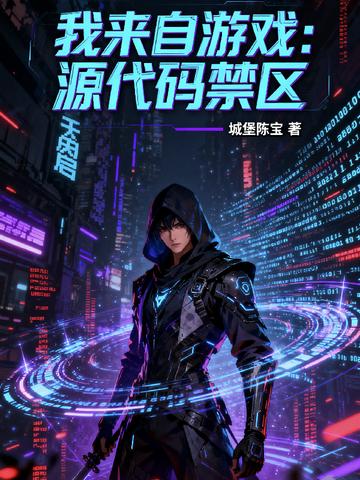
The peak assassin "Shadow", who combines the extreme beauty of "Devil May Cry", the cold hacker of "Deus Ex", the cunning shadow of "Warcraft" and the vast micro-management of "Star", was betrayed by his teammates in the ultimate mission to seize the "Original Code", and his consciousness was annihilated. After being reborn, he actually became a nobody in the inferior imitation online game "Apocalypse". I wanted to hide and find out the truth, but due to a live broadcast accident, I used my novice body and god-level operations to crush the presidents of three major guilds, and the video set off the entire network! Forced to start a business, sometimes he works hard to attract fans, sometimes he is as cold as ice, secretly gathering those legendary players from the previous life who were also betrayed by fate and scattered all over the world - the lost elf priest, the abandoned ghost agent, the exiled protoss technician... They are no longer satisfied with revenge, but want to work together to innovate the future, personally develop epoch-making holographic masterpieces, and reveal the cruel truth about themselves as "created things", waving the flag of rebellion against the Creator!
Reader comments
"I Come from the Forbidden Zone of Game Source Code" is a pioneering meta-game manifesto. Its core value lies in sublimating the code itself into a narrative medium, allowing the characters to "awaken" and resist the settings of the creator's code, and conduct philosophical inquiries into the nature of the game. Although the work sacrifices traditional playability due to its high conceptualization and is more like digital installation art, it successfully breaks the "fourth wall" and provides dangerous and profound imagination for the possibility of game narrative. This is a brave thought experiment, more suitable as a theoretical text exploring the boundaries of interactive art.
"I Come from the Forbidden Zone of Game Source Code" is a pioneering meta-game manifesto. Its core value lies in sublimating the code itself into a narrative medium, allowing the characters to "awaken" and resist the settings of the creator's code, and conduct philosophical inquiries into the nature of the game. Although the work sacrifices traditional playability due to its high conceptualization and is more like digital installation art, it successfully breaks the "fourth wall" and provides dangerous and profound imagination for the possibility of game narrative. This is a brave thought experiment, more suitable as a theoretical text exploring the boundaries of interactive art.