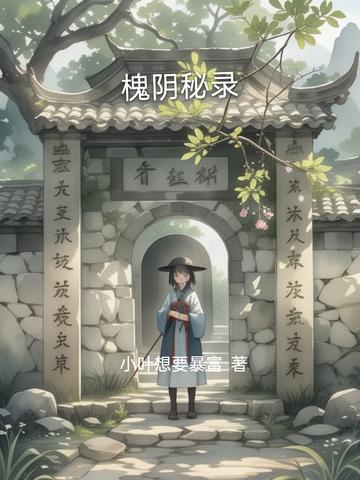
The century-old locust tree is entrenched deep in the mountains. The closed Huaiyin Village hides seven rules of life and death engraved on the stone tablet at the entrance of the village: "Keep the windows closed at night when the locust trees are in bloom", "Don't step on the wrong shadow after Haishi", "No living people are allowed to enter the old house of the locust keeper"... After each rule, there are villagers disappearing among the locust flowers, strange shadows wearing clothes upside down, and "human figures" looming under the bark of the old locust tree.
Folklore blogger Su Wan returns to this mountain village where she lost half of her childhood memories in order to find her missing grandmother, the last locust keeper in the village. The half-book "Notes on Keeping Sophora japonica" left behind by my grandmother, the growing amount of white hair between the teeth of the comb, and the blue shirt that automatically puts itself on backwards at night, all point to a truth that the villagers have deliberately concealed: the villagers who disappeared when the Sophora japonica flowers were in full bloom in the past ten years were never "taken away by the Sophora japonica god", but "living people" hiding in the cracks of the rules, doing shady things in the name of Lao Sophora japonica.
When the bruises on the Sophora japonica leaves on the back of Su Wan's hands became deeper and deeper, when the black ash with strands of hair was burned in the stove, and when the blood smelling of Sophora japonica oozed from the door crack of the old house in the west of the village, she understood the profound meaning of her grandmother's change of half a sentence of the "Notes on Keeping Sophora japonica" - in order to survive, she had to "break the rules" first and dig out the secrets that had been swallowed by the old Sophora japonica tree for ten years from the pile of "living dead" in Huaiyin Village.