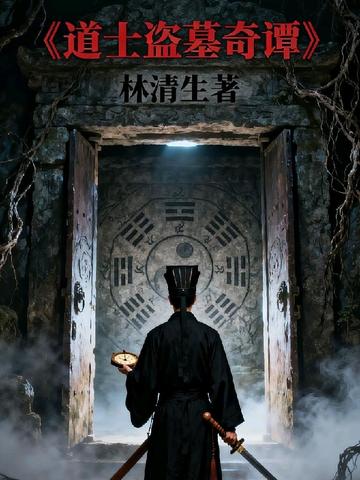
In a small town in the south of the Yangtze River in 1925, Li Qingxuan, the former Taoist priest of the Qing Dynasty, was in dire straits - the Republic of China was peaceful and the people were safe, and supernatural events had disappeared. His exorcism skills had become "useless", his wife was seriously ill, his son was in school, and he needed money everywhere. The appearance of Fa Xiao Wang Kui broke his persistence: "Come with me to rob the tomb, use your Taoist skills to keep it safe, and share 30% of the profits with you." From the first trial of the Qing Dynasty squire's tomb, to the corpse turtle black evil in the Chu tomb, the tomb guarding spirit in the Han tomb, the thousand-year-old rice dumplings in the Tang tomb, the bloodthirsty blood corpse in the Song tomb, and then to the golden-armored heroic spirit in the tomb of King Lu in the Ming Dynasty, Li Qingxuan's Taoist skills solved the crisis of ancient tombs time and time again, but he also stepped into step by step. The abyss of "karma" - a teammate died mysteriously, his wife went blind and eventually passed away, and his son was seriously ill... When he held his wife's portrait and looked at the words on the signature, "Those who harm the moral character, the family will be ruined," he finally understood: This is not making a living, but committing a sin. So, he returned to the ultimate ancient tomb with his last bit of strength, returned the cultural relics, and spent his life cultivating to transcend the resentful souls. He burned the talismans used to rob the tomb, and lived in seclusion in a mountain village with his son, teaching only the "Tao of saving people." This is the story of a Taoist priest in troubled times, from "robbing graves for money" to "atonement for righteousness". It is also the ultimate torture about "Taoist morality and karma".
AI text, mark