They didn't reject me because I wasn't good enough. They rejected me because I was a girl.
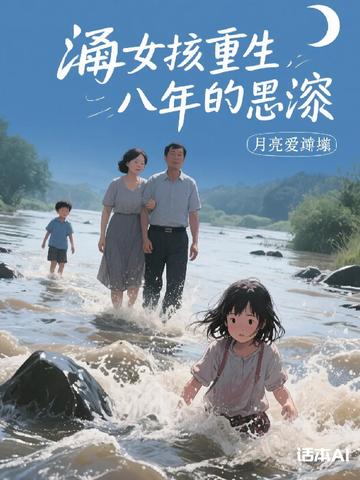
A sudden flood swept through the village and shattered the last of sixteen-year-old Zhao Yunxi's hopes for her family.
As the raging floodwaters surged in, her father chose without hesitation to save the tin box full of money, letting go of her hand. Her mother clutched her feverish little brother, watching Zhao Yunxi get swept away without lifting a finger. After she was lucky enough to survive, she eagerly waited to reunite with her family. But instead of a warm welcome, she was met with cold rejection and denial.
“You're not my daughter. My daughter is already dead.”
“Please, have mercy and leave your little brother alone.”
“We'll cancel your household registration.”
In the rural areas of the 1980s, where the preference for sons was deeply rooted, Zhao Yunxi's very existence was considered a mistake. Her family saw her as a “money-losing burden,” an obstacle to her brother's happiness, and even her being alive was treated as a sin.