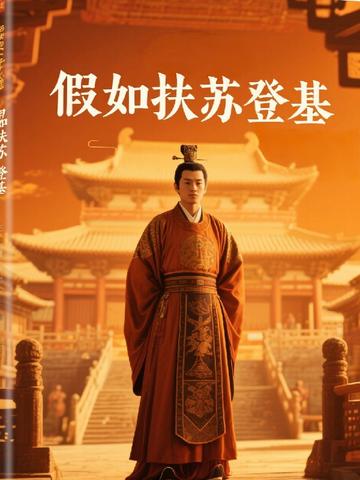
In 210 BC, when Qin Shihuang was patrolling east, a sand dune suddenly collapsed. Zhao Gao and Li Si tampered with the imperial edict and forced his eldest son Fusu to commit suicide. Unexpectedly, Fusu relied on the death protection of General Meng Tian of Shangjun, combined with Meng Yi's counter-kill plot, ascended the throne with the title of "Shi Ping", and started a "benevolent government experiment" to subvert the violent Qin Dynasty.
He started by stopping the construction of Afang Palace and pardoning "slanderers", abolished cruel laws, lightened corvee taxes, and tried to reconcile Legalist strict governance with Confucian benevolence; in the face of the counterattack of the old tribes of the Six Kingdoms, the Xiongnu going south, and the Baiyue rebellion, he used border troops to strengthen defenses and Confucian ministers to polish the law. He also insisted on "benevolence as his bones" in crises such as the "witchcraft case" and the death of the prince.
After ten years of reform, Guanzhong had a good harvest, the Xiongnu escaped, and the Yue people learned etiquette. The Qin Dynasty gradually got rid of the shell of "tyranny". However, in the prosperous age, the remnants of the old law were undercurrent, the successors died prematurely, and the dispute between Confucianism and Legalism became more intense. Fusu, caught between "benevolent government" and "powerfulness", spent his last days paving a new path of "external Confucianism and internal law" for future generations.
This is an epic of "what if history" - when a kind-hearted son becomes an emperor, can he change the fate of the Qin Dynasty's imminent demise? What kind of legacy can it leave for future generations?