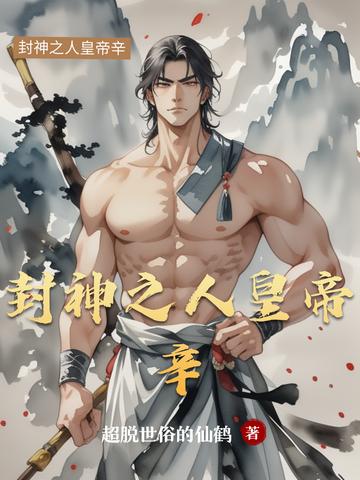
Introduction to the work "The Gods of the Yin and Shang Dynasties: Human Race's Struggle and Changes in Destiny"
"The Gods of the Yin and Shang Dynasties: The Struggle of Human Races and Changes in Destiny" is an Eastern mythological epic that uses fantastic imagination to build a fantasy world in ancient times where humans, immortals, and monsters stand in harmony.
When the world first opened, the three tribes each occupied one side, and the three emperors were in charge of the universe. But as time went by, when King Zhou and Emperor Xin came to the throne, the human race was in a weak position and was coveted by the immortal and demon races for their luck. A severe drought is coming, and the gods actually require human sacrifices before they can send rain. When Emperor Xin saw the frightened children at the sacrificial altar, he angrily resisted the violence and angered heaven. The Heavenly Court then ennobled Ji Fa and sent Jiang Ziya to help him conquer the merchants, and the battle for the fate of the human race broke out.
At the beginning of the war, Xiqi's army received help from Heaven and was in great danger, and the Yin and Shang Dynasties were in danger. Emperor Xin received help from Tongtian Cult Leader and reversed the situation of the war. In the end, the Yin and Shang Dynasties won the decisive battle, and all Xiqi generals died in the battle. The human race defended its dignity and challenged the authority of heaven.
After the war, Wen Zhong read out the list of canonized gods, and the heroic spirits were canonized as gods. This battle changed the relationship between the human race and the immortal and demon races. Heaven did not dare to offend lightly, and Emperor Xin became a legend that inspired future generations to fight.
This book integrates mythology, war, and heroism, with ups and downs of the plot, vivid characters, and delicate writing. It shows the spirit of struggle of the human race and the changes in destiny, and invites you to go on a passionate and fantasy journey to ancient times.