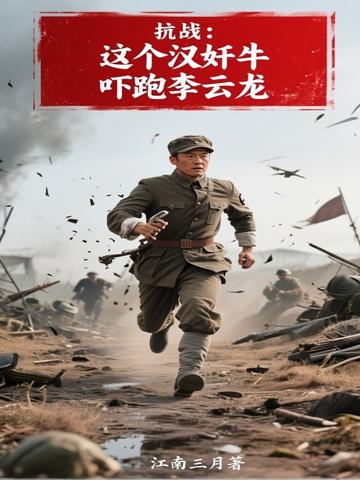
In 1939, Liu Chuan, a modern social animal, accidentally traveled to the North China Plain during the Anti-Japanese War. When he encountered the Japanese army, he was bound to the "traitor system" and was forced to act as a traitor. In fact, he had to indirectly help the Anti-Japanese War through missions. If he refused, he would be punished.
After gaining the trust of the Japanese army, he repeatedly "made trouble": when leaking the route of the Eighth Route Army's supplies, he used signs to remind the Eighth Route Army to reroute, helping them avoid Japanese ambushes and seize weapons; he only did symbolic damage to the defense fortifications of the Independence Regiment, allowing Li Yunlong to take the opportunity to reinforce the fortifications; he misled the Japanese army in the direction of encirclement and suppression, and protected the Eighth Route Army's grain depots, allowing the Independence Regiment to benefit from Japanese military operations many times, and Li Yunlong gradually became aware of its goodwill.
Liu Chuan was promoted for his "excellent performance" and gained more trust from the Japanese army. He even got the right to use the arsenal. He passed the information to Li Yunlong to help the independent regiment obtain a large amount of supplies. During this period, he used modern knowledge to make a lot of mistakes, but accidentally helped the Eighth Route Army.
In 1943, the puppet soldier Zhang Ergou reported on the incident, and Liu Chuan relied on his wit and cooperation with Li Yunlong to resolve the crisis. In 1944, he obtained the Japanese army's "Autumn Sweep" plan and took risks to pass on information to help the Eighth Route Army crush its attack.
When Japan surrendered in 1945, Liu Chuan helped receive Japanese military supplies and exposed spies. Li Yunlong clarified his identity and the headquarters wanted to award him an honor, but he chose to remain anonymous, ending his special career as a "traitor" in the war of resistance.