Chen Jianjun's life began in the early morning when the earthen house leaked rain. When he was 6 years old, he went to school on a muddy mountain road, relying on his father's shoulders to escape the wind and rain; when he was 13 years old, his father died unexpectedly, and the weight of poverty and bereavement forced him to flee his hometown. After transferring to another school, the half meal and a warm encouragement from his deskmate Yu Qin became the light in his gloomy youth.
At the age of 16, he rushed to the military camp with the recruitment notice in hand, and lost his childishness in the camouflage training in Chongqing. However, when he received Yu Qin's confession letter, he hid his heart because of his inferiority complex. After he was discharged from the army, he went to Chengdu to stay with Yu Qin. The wedding with zero betrothal gift concealed his longing for the future. But life's trials and tribulations came one after another: working as a painter in a container yard, running into obstacles with a real estate agency, and marriage rifts caused by the pressure of reality, which made him lost in the decadence of playing mahjong.
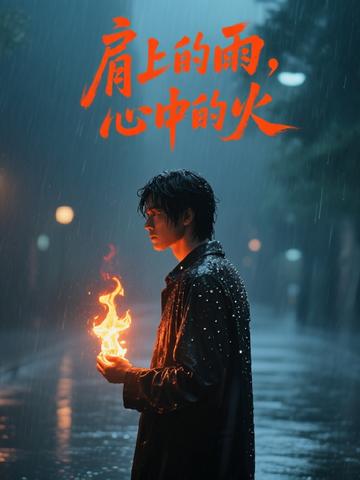
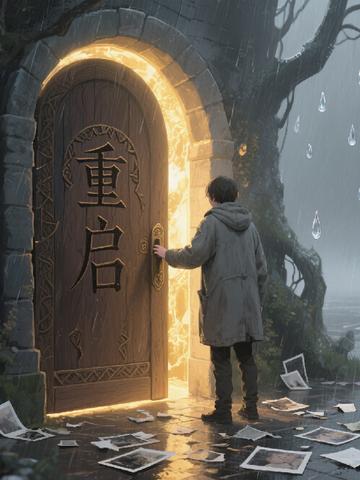
But the old pipe left by his father, the figure of his mother grinding bean curd in the early morning, the expectant eyes of his son Taotao, and the concern that Yu Qin never really gave up made him stand up again. From the Douhua Restaurant in his hometown to a small real estate company in Jiang City, from being penniless to running for a living, Chen Jianjun has always carried the "rain on his shoulders" (suffering) and guarded the "fire in his heart" (hope).
This is the half-life epic of an ordinary person. There is no earth-shattering legend, but it hides the survival background shared by millions of people - holding on to family ties in poverty, embracing love in setbacks, never giving up the yearning for "good days" while running around, and writing the resilience and warmth of ordinary life in the smoke.