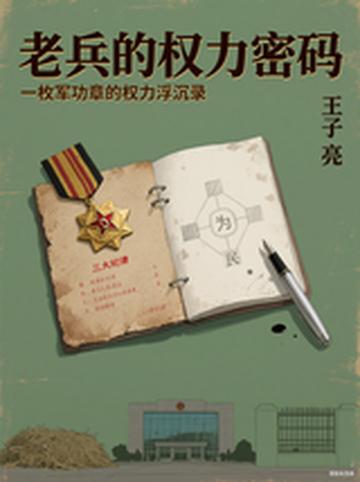
Veteran Qin Bang returned to his hometown with his military commendations and put down roots on the village committee’s floor. Taking the army’s “Three Main Rules of Discipline” as his guiding principle, he tackled one livelihood issue after another, from irregular welfare payments to land acquisition disputes. He carried a paralyzed elderly man out of a dangerous house, used a soldier’s righteous bearing to deter misconduct, and treated the wooden plaque gifted by the villagers as a “mirror of power” to remind himself to examine his original intentions.
Through hard work and dedication on the front lines, Qin Bang steadily rose to provincial-level positions, but the tests of power gradually led him astray. To push forward the construction of a business park for veterans, he crossed the line of principle for the first time. When faced with business dealings involving his relatives, he failed to put a stop to them decisively. Little by little, under the banner of “serving the people,” he blurred the line between public and private. On the back of the discharge certificate that had witnessed both his original desire to serve and his political career, marks of his departure from that ideal slowly began to appear.