[Slower pace + brainless refusal + fateful showdown + fantasy + fairy + intrigue]
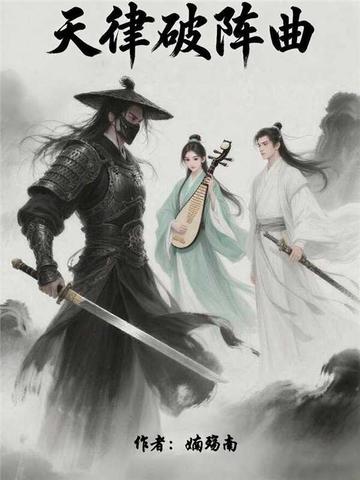
"What the people want is what heaven wants. If you want to go against heaven, you will be ashamed of the world." Zhuang Qiao pointed his sword at Mu Yun with a determined look.
"Hahahaha, what the people want! What heaven wants!" Mu Yun pinched his face with his palms, his voice was hoarse and low, and he stared straight at his destined enemy.
"I, Qingyue, have been in the country for thousands of years, and I have protected countless living beings. Heaven is not merciful, but I use the people's hearts to hide it. I won't allow it, I won't allow it."
Mu Yun looked at the sky, the evil intention in his eyes getting stronger. "If the law of heaven is unfair, I will tear it to pieces with my own hands."
Under the setting sun, the two stood opposite each other, their figures stretched slender. In a fateful duel, the two of them have no way out, and they are destined to end this time.
This is a story about "protection" and "destruction". The thousand-year-old Qingyue Dynasty is in its twilight years, with bureaucratic corruption and public dissatisfaction boiling over. I think back then, the founding emperor Duan Siping's dynasty, forged with the blood of the blue dragon, was so powerful; but now it is in turmoil due to the uncertainty of heaven.
The Divine Lord gave birth to Mu Yun and Zhuang Qiao according to the direction of heaven. Can Mu Yun, with his protective aura, negate the people's will, uphold justice, and revive the empire? Zhuang Qiao, who has a blood feud, can he hold on to his destructive aura, cut through the decay, and establish a new destiny?
One black and one white, the two are destined to be old enemies. Under the righteous path of destiny, where will the fate of the thousand-year dynasty go in the duel between the two of them?
Reader comments
This book is very good-looking, and my favorite is Zhuang Qiao, especially Zhuang Qiao's decision-making scene in "Qingyue City Massacre Crisis", which can be regarded as the highlight moment of his character's arc!
At that time, the law of heaven issued a punishment, and the people in the city were in danger. Mu Yun wanted to use a heaven-defying technique to break the situation, but Zhuang Qiao drew his sword to stop him. On one side, he had a lifelong creed of "keeping the order of the law of heaven", and the sword was tightly tightened and did not dare to deviate from the rules; on the other hand, the people under the city wall were crying, and his eyes were filled with unbearable and wavering. In the end, he sheathed his sword and got out of the way, but his fingertips turned white from the exertion. His whispered words, "If God abandons the people, what's the use of me staying on this path?" Completely tore apart the stereotyped shell of the "defender", making the character become three-dimensional and moving in the pain of collapse and reconstruction of faith.
"Heavenly Law Breaks the Formation Song" really becomes more interesting the more I read it. It is not in a hurry to push the pace, but it can weave fate, immortality and power conspiracy into a seamless thread. Qingqian City is about to be massacred. Zhuang Qiao's sword slashed down, splitting not only blood and fire, but also the knot of "saving one person or saving the common people". The torturous feeling simmered over a slow fire puts the propositions of "protection" and "destruction" into the breath of each character. Mu Yun stood at the top of the city, and the wind lifted the corners of his clothes, like a bigger storm.
"Heavenly Law Breaking Formation Song" builds a grand world view with the philosophical thinking of "protection and breaking"! The fateful confrontation between Mu Yun and Zhuang Qiao is full of tension, and the game between heaven and the people is even more profound. The writing is majestic and thick, and the plot is subtle. It can be called an epic fantasy work!
Mu Yun is not a perfect hero. He is paranoid and crazy, but he is also true because of it. His struggle and roar are his fight against fate and his persistence in faith - this kind of character arc is moving.
Mu Yun has a protective spirit and wants to stabilize the hearts of the people, rectify the way of heaven, and revive the empire. Even in the face of doubts about the injustice of the way of heaven, he still perseveres. His belief that "even if there are thousands of people, I will die" is moving. Zhuang Qiao, who is burdened with a blood feud, hates the decaying dynasty deeply and is determined to break through all the darkness. His determination and tenacity are also vividly portrayed.
"Heavenly Law Breaking Formation Song" is really interesting! Slow-paced narrative, no brainless plot, fateful showdown, fantasy fairy tale plus conspiracy, the elements are combined superbly. Zhuang Qiao's decision during the massacre crisis in Qingyue City vividly reflects the character's struggle and belief. We look forward to the follow-up development!
Mu Yun and Zhuang Qiao, one black and one white, seem to be two poles shaped by the hand of Heaven. One vows to protect the millennium dynasty to the death, and the other insists on cutting off corruption - their opposition and struggle exactly reflect the contradiction between "change and preservation" in everyone's heart.
Mu Yun's image is tragic and full of contradictory charm, which is what I admire the most. He is not a foolish and loyal person who is ignorant of current affairs, but a sober witness to the decline of the empire, but because of his obsession with the glory and responsibility of the past, he has chosen a lonely path of "going against the will of the people". His resistance is not only an enemy of the world, but also a declaration of war against the injustice of heaven! After reading this book, I feel particularly empathic
This book uses classical fantasy as its background, laying out the rise and fall of dynasties and the fateful showdown. The confrontation between good and evil between Mu Yun and Zhuang Qiao involves speculations about the way of heaven, people's hearts, and political strategies. The slow-paced narrative contains profound questions about "protection" and "breaking establishment." It is a new chapter of fairy tales and machinations that is worthy of careful reading.
Mu Yun's "protective spirit" is in sharp contrast to Zhuang Qiao's "breaking spirit". Mu Yun's obsession with the dynasty is not hesitating to fight against the people's will and heaven, and his paranoia reveals his attachment to the glory of the past; Zhuang Qiao has a blood feud and uses the destruction of the establishment as a blade, which represents the power to subvert the decadent order. This kind of old enemy who loves and kills each other makes us constantly swing between our positions.
"Heaven's Law Breaks the Formation Song" takes the fateful showdown and the rise and fall of dynasties as its core, with solid writing and relaxed rhythm. The world view is grand, the elements of machination and fairy tales are intertwined, the characters are vividly drawn, and the plot is exciting and exciting. It is worth reading!
It abandons the routine of mindless and cool writing and unfolds the story at a slower pace without any delay. However, the slow-paced narrative may be a little uncomfortable for readers who pursue fast plot advancement, but if you calm down and read it, you will find that it has good performance in character creation, worldview construction and theme exploration, and it is worthy of in-depth reading by fantasy fairy lovers.
The writing style of the work is melancholy and frustrating, like thick ink swaying. The sadness of the end of the dynasty and the inner struggle of the characters are intertwined into a thick epic picture. What is particularly outstanding is the tension in the dialogue and scenes. Mu Yun's earth-shattering phrase "tear the way of heaven to pieces" is not only a roar of his personal will, but also the most decisive declaration of rebellion against the established destiny, instantly pushing the expectations of the plot to the peak.
What a treasure! The foundation of classical fantasy is very solid, and the pattern of the rise and fall of dynasties and the duel of fate is very open. The confrontation between good and evil of characters such as Mu Yun and Zhuang Qiao is particularly tense. It also integrates in-depth thoughts on the way of heaven, people's hearts, and power strategies into the plot. The rhythm is steady and there are philosophical thoughts of "protection" and "destruction".
It's been a long time since I've seen a fantasy novel that's so in-depth and doesn't drag out.
The Qingyue Dynasty constructed by the author is full of realism. The former prosperity is in sharp contrast with the current decay and decline. The traces of time can be felt in every detail, as if there really is such an empire that is crumbling in the torrent of history.
Reading the synopsis, it feels like a story with a strong sense of fate. Mu Yun and Zhuang Qiao seem to be destined to be opposites. I like this theme of "protection" and "destruction", which is not just about fighting and killing, but also about thinking about the way of heaven and the people's hearts. The writing style is a bit heavy, but the dialogue and scene descriptions are very tense, especially Mu Yun's sentence "Tear the way of heaven to pieces", which instantly raised expectations.
"What the people want, God wants" or "God shows no mercy, but the people hide it", the showdown between old enemies and the fate of the thousand-year dynasty will all be concluded in the story.
The plot is wonderful, the story is smooth, the plot is compact and full of ups and downs, and the author's writing style is very delicate. I really enjoyed reading it.
It breaks through Tomato's "novice" stereotype with a grand world view. The main line of thoughts and games is full of tension. Some scenes in the novel are "intense and detailed."
Nice! The logic is clear, the protagonist's intelligence is online, the writing is very good, it is a slow-paced narrative, and you will not be unable to keep up with the rhythm quickly. If you like Xian Xia's Machiavellian enemies, you can jump right in!
There is a sense of collision between old enemies, the world view is large enough, and the plot conflicts are intensive. However, the plot is not smooth enough, the settings are not detailed enough, and the concepts are not explained well. Overall, it is good.
The author's writing style is very good, and his description of emotions is also very delicate.
The fateful duel between Zhuang Qiao and Mu Yun is so exciting. It's endless fun to compete with the sky. Who can compete with the myriad of avenues? It's exciting to watch.
A grand historical narrative, the protagonist is in a precarious situation in a country that was once prosperous. It's a bit exciting to see where the protagonist will go.
This is a masterpiece of fantasy, fairy tales, and machinations with considerable depth. It abandons the routine of mindless novels and unfolds the story at a slower pace without any delay.

This book is very good-looking, and my favorite is Zhuang Qiao, especially Zhuang Qiao's decision-making scene in "Qingyue City Massacre Crisis", which can be regarded as the highlight moment of his character's arc! At that time, the law of heaven issued a punishment, and the people in the city were in danger. Mu Yun wanted to use a heaven-defying technique to break the situation, but Zhuang Qiao drew his sword to stop him. On one side, he had a lifelong creed of "keeping the order of the law of heaven", and the sword was tightly tightened and did not dare to deviate from the rules; on the other hand, the people under the city wall were crying, and his eyes were filled with unbearable and wavering. In the end, he sheathed his sword and got out of the way, but his fingertips turned white from the exertion. His whispered words, "If God abandons the people, what's the use of me staying on this path?" Completely tore apart the stereotyped shell of the "defender", making the character become three-dimensional and moving in the pain of collapse and reconstruction of faith.
"Heavenly Law Breaks the Formation Song" really becomes more interesting the more I read it. It is not in a hurry to push the pace, but it can weave fate, immortality and power conspiracy into a seamless thread. Qingqian City is about to be massacred. Zhuang Qiao's sword slashed down, splitting not only blood and fire, but also the knot of "saving one person or saving the common people". The torturous feeling simmered over a slow fire puts the propositions of "protection" and "destruction" into the breath of each character. Mu Yun stood at the top of the city, and the wind lifted the corners of his clothes, like a bigger storm.
"Heavenly Law Breaking Formation Song" builds a grand world view with the philosophical thinking of "protection and breaking"! The fateful confrontation between Mu Yun and Zhuang Qiao is full of tension, and the game between heaven and the people is even more profound. The writing is majestic and thick, and the plot is subtle. It can be called an epic fantasy work!
Mu Yun is not a perfect hero. He is paranoid and crazy, but he is also true because of it. His struggle and roar are his fight against fate and his persistence in faith - this kind of character arc is moving.
Mu Yun has a protective spirit and wants to stabilize the hearts of the people, rectify the way of heaven, and revive the empire. Even in the face of doubts about the injustice of the way of heaven, he still perseveres. His belief that "even if there are thousands of people, I will die" is moving. Zhuang Qiao, who is burdened with a blood feud, hates the decaying dynasty deeply and is determined to break through all the darkness. His determination and tenacity are also vividly portrayed.
"Heavenly Law Breaking Formation Song" is really interesting! Slow-paced narrative, no brainless plot, fateful showdown, fantasy fairy tale plus conspiracy, the elements are combined superbly. Zhuang Qiao's decision during the massacre crisis in Qingyue City vividly reflects the character's struggle and belief. We look forward to the follow-up development!
Mu Yun and Zhuang Qiao, one black and one white, seem to be two poles shaped by the hand of Heaven. One vows to protect the millennium dynasty to the death, and the other insists on cutting off corruption - their opposition and struggle exactly reflect the contradiction between "change and preservation" in everyone's heart.
Mu Yun's image is tragic and full of contradictory charm, which is what I admire the most. He is not a foolish and loyal person who is ignorant of current affairs, but a sober witness to the decline of the empire, but because of his obsession with the glory and responsibility of the past, he has chosen a lonely path of "going against the will of the people". His resistance is not only an enemy of the world, but also a declaration of war against the injustice of heaven! After reading this book, I feel particularly empathic
This book uses classical fantasy as its background, laying out the rise and fall of dynasties and the fateful showdown. The confrontation between good and evil between Mu Yun and Zhuang Qiao involves speculations about the way of heaven, people's hearts, and political strategies. The slow-paced narrative contains profound questions about "protection" and "breaking establishment." It is a new chapter of fairy tales and machinations that is worthy of careful reading.
Mu Yun's "protective spirit" is in sharp contrast to Zhuang Qiao's "breaking spirit". Mu Yun's obsession with the dynasty is not hesitating to fight against the people's will and heaven, and his paranoia reveals his attachment to the glory of the past; Zhuang Qiao has a blood feud and uses the destruction of the establishment as a blade, which represents the power to subvert the decadent order. This kind of old enemy who loves and kills each other makes us constantly swing between our positions.
"Heaven's Law Breaks the Formation Song" takes the fateful showdown and the rise and fall of dynasties as its core, with solid writing and relaxed rhythm. The world view is grand, the elements of machination and fairy tales are intertwined, the characters are vividly drawn, and the plot is exciting and exciting. It is worth reading!
It abandons the routine of mindless and cool writing and unfolds the story at a slower pace without any delay. However, the slow-paced narrative may be a little uncomfortable for readers who pursue fast plot advancement, but if you calm down and read it, you will find that it has good performance in character creation, worldview construction and theme exploration, and it is worthy of in-depth reading by fantasy fairy lovers.
The writing style of the work is melancholy and frustrating, like thick ink swaying. The sadness of the end of the dynasty and the inner struggle of the characters are intertwined into a thick epic picture. What is particularly outstanding is the tension in the dialogue and scenes. Mu Yun's earth-shattering phrase "tear the way of heaven to pieces" is not only a roar of his personal will, but also the most decisive declaration of rebellion against the established destiny, instantly pushing the expectations of the plot to the peak.
What a treasure! The foundation of classical fantasy is very solid, and the pattern of the rise and fall of dynasties and the duel of fate is very open. The confrontation between good and evil of characters such as Mu Yun and Zhuang Qiao is particularly tense. It also integrates in-depth thoughts on the way of heaven, people's hearts, and power strategies into the plot. The rhythm is steady and there are philosophical thoughts of "protection" and "destruction".
It's been a long time since I've seen a fantasy novel that's so in-depth and doesn't drag out. The Qingyue Dynasty constructed by the author is full of realism. The former prosperity is in sharp contrast with the current decay and decline. The traces of time can be felt in every detail, as if there really is such an empire that is crumbling in the torrent of history.
Reading the synopsis, it feels like a story with a strong sense of fate. Mu Yun and Zhuang Qiao seem to be destined to be opposites. I like this theme of "protection" and "destruction", which is not just about fighting and killing, but also about thinking about the way of heaven and the people's hearts. The writing style is a bit heavy, but the dialogue and scene descriptions are very tense, especially Mu Yun's sentence "Tear the way of heaven to pieces", which instantly raised expectations.
"What the people want, God wants" or "God shows no mercy, but the people hide it", the showdown between old enemies and the fate of the thousand-year dynasty will all be concluded in the story.
The plot is wonderful, the story is smooth, the plot is compact and full of ups and downs, and the author's writing style is very delicate. I really enjoyed reading it.
It breaks through Tomato's "novice" stereotype with a grand world view. The main line of thoughts and games is full of tension. Some scenes in the novel are "intense and detailed."
Nice! The logic is clear, the protagonist's intelligence is online, the writing is very good, it is a slow-paced narrative, and you will not be unable to keep up with the rhythm quickly. If you like Xian Xia's Machiavellian enemies, you can jump right in!
There is a sense of collision between old enemies, the world view is large enough, and the plot conflicts are intensive. However, the plot is not smooth enough, the settings are not detailed enough, and the concepts are not explained well. Overall, it is good.
The author's writing style is very good, and his description of emotions is also very delicate.
The fateful duel between Zhuang Qiao and Mu Yun is so exciting. It's endless fun to compete with the sky. Who can compete with the myriad of avenues? It's exciting to watch.
A grand historical narrative, the protagonist is in a precarious situation in a country that was once prosperous. It's a bit exciting to see where the protagonist will go.
This is a masterpiece of fantasy, fairy tales, and machinations with considerable depth. It abandons the routine of mindless novels and unfolds the story at a slower pace without any delay.