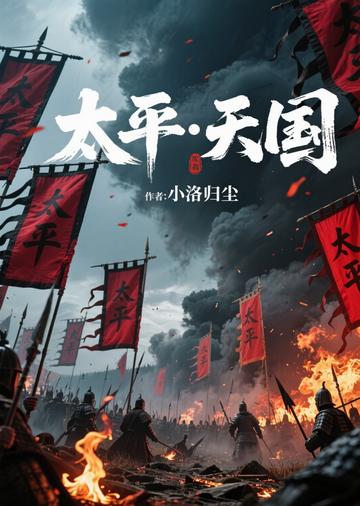
A stirring epic that begins with ideals and ends in blood and fire, a lament for an age of chaos where power, faith, and human nature collide.
In the mid-nineteenth century, the Qing court was rotten, foreign threats mounted, and the people were destitute. Hong Xiuquan of Guangdong repeatedly failed the civil service examinations. While ill, he experienced a strange vision and proclaimed himself the “Second Son of God.” He then founded the God Worshipping Society, raised the banner of “land for all to till and food for all to eat,” and gathered his followers in Jintian Village, Guangxi, where they rose in revolt. The Taiping Army advanced like a storm, captured Jinling, made it their capital, and renamed it Tianjing. They sought to build an earthly kingdom where “all are treated equally and none go hungry or cold.”
Yet no matter how grand the ideal, it could not withstand the treacheries of reality. The hunger for power gnawed at the movement: Eastern King Yang Xiuqing wielded authority by claiming that the Heavenly Father spoke through him, while Northern King Wei Changhui endured in silence until he finally unleashed a bloodbath. The heroes met tragic ends: Wing King Shi Dakai, betrayed despite his loyalty, died on a lonely western expedition along the Dadu River. And though the talented Fu Shanxiang, a fictional character, dazzled the entire court, she was trapped by the circumstances of her time and could not save Tianjing from ruin. Meanwhile, nameless soldiers and ordinary people struggled to survive in the flood of history. Their faint glimmers of hope and weary sighs form the most authentic portrait of the age.