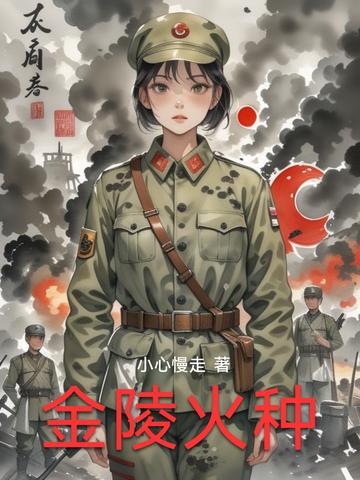
Winter, 1937. Nanjing has fallen, and blood floods the streets and alleys.
She is Lin Wanqiu, a college student from eighty years in the future. Museum dust still clings to her fingertips, yet when she opens her eyes, she has fallen into a living hell. The Japanese soldiers’ howls pierce the freezing fog, the civilians’ cries are swallowed by the gray bricks, and all she has in her pocket is an old watch pierced by a bullet, along with the heavy memories in her mind of the massacre to come.
She is no savior. She cannot rescue the whole city, but in the face of utter despair, she is determined to find a way out:
She sounds the alarm early, helping people on half a street south of the city hide in the basement of a flour mill and evade the first wave of searches and slaughter;
She renovates the attic of a safety zone, partitioning it with wooden boards and marking it with red crosses, helping 500 more elderly people and children survive the “purge”;
She finds foreign reporters in the middle of the night and uses a hand-drawn map to save the lives of 300 people in the Xiaguan refugee camp, making cameras a sturdier shield than guns;
At last, she sets up charcoal and scrap paper in the safety zone, carefully recording survivors’ names and the traces of Japanese soldiers’ atrocities. Years later, these records become irrefutable evidence exposing their crimes.
There is no miraculous golden finger, only the good fortune of knowing where life might be found. There is no legendary feat that turns the tide, only the determination to save one more person whenever she can.
In the darkness where 300,000 of her compatriots perish, she is no sun, only the one who kindles a tiny spark:
The newborn’s cries in a makeshift maternity ward, the trembling smile of an old man clutching a roasted sweet potato, the names in the archives that should have disappeared, solemnly spoken aloud many years later.
The snow falls and melts over Nanjing, but the spark she left behind eventually