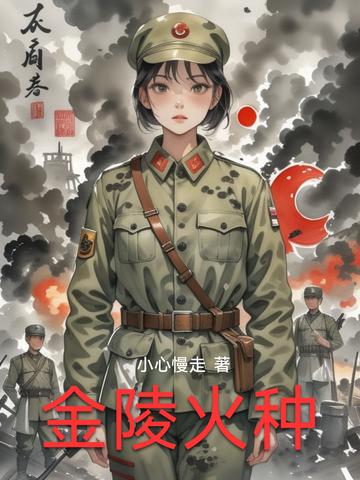
In the winter of 1937, the city of Jinling was destroyed and blood filled the streets.
She is Lin Wanqiu, a college student from the 80s. Her fingertips are still stained with the dust of museum cultural relics. When she opens her eyes, she falls into a hell on earth - the roar of the Japanese army pierces the cold fog, and the howls of civilians drown the bricks. In her pocket, there is only an old pocket watch with bullet holes, and her mind is filled with heavy memories of this massacre.
She is not a savior and cannot save the whole city, but she still wants to find a way out of a desperate situation:
Sound the warning in advance, allowing people in half the street in the south of the city to hide in the basement of the flour mill to avoid the first round of raids;
Renovate the attic of the safe area, use wooden boards to separate compartments, and put up red cross signs to protect 500 more elderly people and children from surviving the "clean-up massacre";
They searched for foreign reporters overnight and used a hand-drawn map to save the lives of 300 people in the Xiaguan refugee camp, making the camera a stronger shield than guns;
Finally, she set up a charcoal pen and scrap paper in the safe area, and wrote down the names of the survivors and the traces of violence committed by the Japanese army one by one. These handwritings later became irrefutable evidence of the atrocities.
There is no golden finger, only the luck of "knowing where the life is hidden"; there is no legend of turning the tide, only the obsession of "saving one more person is the best".
In the darkness where 300,000 compatriots were killed, she was not the sun, but just lit a small fire:
It is the cry of a pregnant woman giving birth in a temporary delivery room, the trembling smile of an old man holding a roasted sweet potato, and the names in the file that should have disappeared are solemnly recalled after many years.
The snow in Jinling falls and melts, but the fire she buried will eventually remain