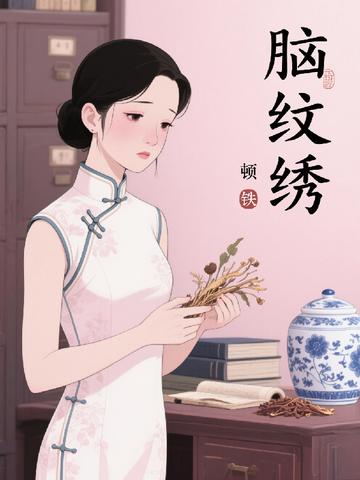
In 1943, in the Jishengtang drugstore in the occupied area of Shanghai, Shen Zhaohua, the daughter of a declining salt merchant, was dealing with cinnabar and arsenic. When Meng Xuzhi, a doctor studying in Japan, breaks in with a gold-plated stethoscope, when stepmother Cheng Xueyi's drama makeup is mixed with the scent of opium, and when Director Zhou's prescription contains a murderous intention - is the recipe derived from Angelica sinensis a good way to calm the nerves, or a deadly poison?
From Shanghai Baiziqi to the Peninsula Hotel in Hong Kong, and then to the public trial in the early years of liberation, the fate of the three people was like cinnabar in medicine, being repeatedly ground by the gears of the times. Those Japanese passwords hidden in jade earrings, half-burned pawn tickets, and water lily pictures on the back of Hong Kong ferry tickets will eventually collapse with the collapse of the Baiko cabinet, revealing the most bitter medicinal properties.
"Which of the love and hate in this world is not divided into seven parts poison and three parts?"