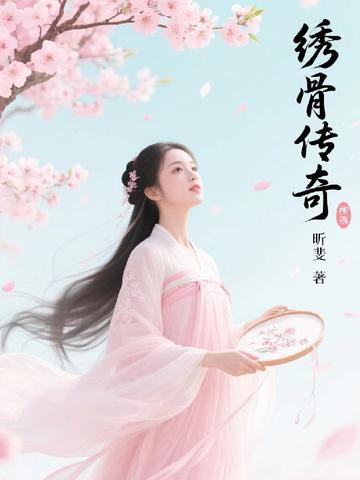
In the feudal dynasty where a woman's fate was tied to the "three-inch golden lotus" and "three obediences and four virtues", Liu Chuntao's birth was like a peach sapling stepped into the mud - her father called her a "loser", and when her mother bound her feet in tears, she gritted her teeth and hid the foot-binding cloth in the stove.
She escaped the severe pain of foot binding at the age of eight, became a maid and secretly learned embroidery at the age of twelve, and was expelled for resisting the teasing of powerful officials at the age of sixteen. The night she ran out of the county town barefoot, she only carried half a box of silk thread and the harsh words "I will never die of hunger" in her arms.
From setting up an embroidery stall on a bridge and being chased by gangsters, to opening a "Chuntao Embroidery Workshop" and being scolded as "widows not keeping up with women"; from using embroidery to pay off debts to support young children, to defeating evil businessmen who monopolize the market; from donating embroidery to nurseries, to running a girls' school to teach poor girls crafts... In her stitches, she has embroidered the toughness of dandelions in the fields, the warmth of the porridge sheds in disaster years, and the blackness of collusion between officials and businessmen.
These hands, which had been sore with canes and had their knuckles threatened by scissors, finally embroidered Sanjin Mansion, supported the livelihoods of hundreds of girls, and became the "Liu Dongjia" that even the prefect would respect.
But behind the scenery, there are the cold nights of staying alone in an empty house, the disputes about her son giving up art and going into business, the spitting of colleagues spreading rumors that she "relyed on men to get to the position", and the feudal ethics asking over and over again: "What does a woman's family want to be so famous for?"
Liu Chuntao spent her whole life using silk threads to mend the holes in her destiny, and using embroidery to support women's bones. She had never read "The Commandments of Women", but she lived it as a book that future generations would not dare to read lightly - the book said: Flowers can bloom in the soil, and foot wraps cannot trap those who want to walk.
Reader comments
Although I haven't finished reading it yet, judging from the few chapters I have read so far, it is indeed well written. It describes the suffering of women in the old era, as well as the heroine's tenacity and hard work to grow. I love so much.
Although I haven't finished reading it yet, judging from the few chapters I have read so far, it is indeed well written. It describes the suffering of women in the old era, as well as the heroine's tenacity and hard work to grow. I love so much.