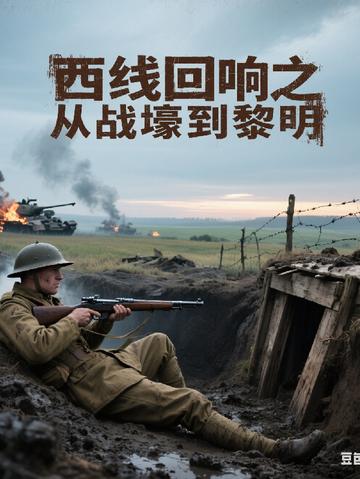
When Lin Mo, a modern military enthusiast, touched a World War II French Army badge in the museum, thunder suddenly sounded. He traveled to the French-German border in 1939 and became French Army Captain Pierre Le Maire. Being bound to the "Western Front Damage System", he knew that the historical torrent was irreversible - the war would eventually break out, France would be defeated, and Normandy would bleed. He was unable to stop the flames of war from igniting. He could only use the eyes of a traveler to look for the possibility of "less bloodshed" in the muddy trenches and gunfire smoke.
Starting from clearing trench drains and predicting the landing point of German cold guns during the "Sitting War", he designed alternating cover tactics at Dunkirk to allow more soldiers to board lifeboats; he saw through Rommel's supply weakness in the North African desert and used harassment instead of head-on confrontation; he guided naval guns to accurately remove fire points on the beaches of Normandy, dyeing the blood of Omaha lighter. He was once questioned for being "whimsical" and argued with his superiors because he wanted to preserve a small group of troops. However, he always clung to the casualty preview data given by the system and was torn between obeying orders and protecting lives.
From a grassroots captain to a trusted commander of the Allied forces, he experienced the retreat of France, the dust of North Africa, and the counterattack in Western Europe. Finally, he was sent back to modern times by the system next to the German surrender ceremony. The museum's badge is still in the display case, and Lin Mo's palm still retains the mud of the trenches on the Western Front and the warmth of the lives he saved. This is not a legend that changed history, but a story about an ordinary person who protected the dawn of more people with his glimmer of light under the wheel of war.