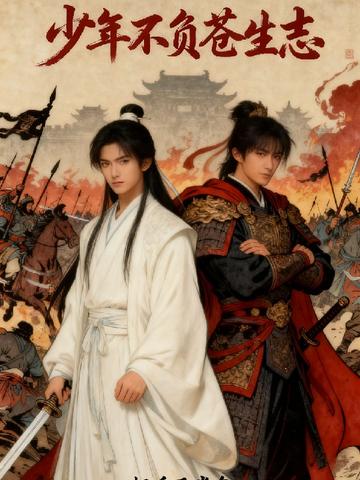
The Young Man Lives up to the Aspirations of the People
少年不负苍生志
- Status
- Completed
- Length
- 541k Words
- Genre
- Historical
- Subgenre
- Historical & Ancient
- Audience
- Male
- Updated
- 10mo ago
- Source
- Fanqie
Stats
44Reads
8.2Score
150Chapters
8Listens
757Reads · all time
Tags
Synopsis
Reader comments
In booklists 5





It's 2026, and the 2025 Book Is Finally Ready. I Recommend It Quickly.
13MViews788Books21hUpdated

Do You Have Any Weird Book Recommendations? (Want to See)
I want to read books that are different, like psychology.
585kViews871Books19hUpdated

Good Historical Books, Please Recommend!
Spring and Autumn and Warring States, Qin and Han, Three Kingdoms, Wei and Jin, Tang and Song, Five Dynasties and Ten Kingdoms, Ming and Qing Dynasties are all available, welcome to anyone!
147.4kViews398Books1dUpdated



New Books Help Each Other~ Let's Review Each Other's Books
I want to read a book similar to "Buy a Sprig of Spring". It is best to use ancient proverbs to comment on each other! ! ! Reply within three hours after comment————
115.1kViews360Books18hUpdated
Qiu Shuangqiang Ancient Proverbs Is Similar to the Novel Qianshan Tea Guest
21.3kViews18Books4moUpdated
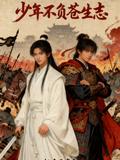
The young man lives up to the aspirations of the people: the benevolence of doctors who grow up in shackles "I'm asked to study and practice martial arts every day, but I don't like it. Isn't it good to treat illnesses and save people?" Xiao Chongguang's dejected complaint hides the purest obsession of a young man - not the machinations that a descendant of an aristocratic family should have, or the grudges of a knight-errant, but the simple wish to "treat illnesses for grandpa and you". This is the bud of his original intention to "live up to the common people". Zhang He's words, "My master is also suffering. It's not that he doesn't love you, it's just that he can't help it." In just a few words, he outlines the shackles of growth and the bonds of family affection. The expectations of the aristocratic family are heavy shackles, and the discipline of studying and practicing martial arts is an invisible cage, but the young man's benevolence has never been eradicated. What he resists is not the growth itself, but the path that is contrary to the doctor's ideal; what he complains about is not the harshness of his elders, but the grievance of not being understood. This original intention that persists in depression is far more moving than the high-spiritedness in good times. The image of Xiao Chongguang breaks the inherent routine of the young protagonist in traditional fantasy fairy tales of "defying nature and changing his fate". His "ambition" is not to dominate the three realms and reach the top, but to use medical skills to help people and survive the world with benevolence. While most of his peers are obsessed with improving their cultivation, they are concerned about the health of their relatives and friends, and yearn for the life of a doctor who treats illnesses and saves lives. This contrast makes the character full of fireworks and vitality, and also makes the connotation of "people's aspirations" concrete and warm - the so-called living up to the people is never a grand slogan, but starts from concern for the people around you and from the kindness that is still unwilling to give up despite the shackles. The delicate portrayal of this episode in the book not only paved the way for the character's growth arc, but also concealed a profound discussion of "original intention and mission." The arrangement of the aristocratic family and the boy's ideal seem to be in opposition, but in fact they are different interpretations of "protection": the elders paved the way for him to survive in a harsh way, while the boy chose the path of protecting all living beings with benevolence. This contradiction and tension gives a deeper foundation to the theme of "a young man living up to the aspirations of the people", and allows readers to see the truest form of a young man's growth in Xiao Chongguang's complaints and perseverance - even though the road ahead is long and full of shackles, the benevolence and ambition in his heart will eventually become the force to break through the constraints and support him to embark on his own path of "living up to the people". The young man lives up to the aspirations of the people: the benevolence of doctors who grow up in shackles "I'm asked to study and practice martial arts every day, but I don't like it. Isn't it good to treat illnesses and save people?" Xiao Chongguang's dejected complaint hides the purest obsession of a young man - not the machinations that a descendant of an aristocratic family should have, or the grudges of a knight-errant, but the simple wish to "treat illnesses for grandpa and you". This is the bud of his original intention to "live up to the common people". Zhang He's words, "My master is also suffering. It's not that he doesn't love you, it's just that he can't help it." In just a few words, he outlines the shackles of growth and the bonds of family affection. The expectations of the aristocratic family are heavy shackles, and the discipline of studying and practicing martial arts is an invisible cage, but the young man's benevolence has never been eradicated. What he resists is not the growth itself, but the path that is contrary to the doctor's ideal; what he complains about is not the harshness of his elders, but the grievance of not being understood. This original intention that persists in depression is far more moving than the high-spiritedness in good times. The image of Xiao Chongguang breaks the inherent routine of the young protagonist in traditional fantasy fairy tales of "defying nature and changing his fate". His "ambition" is not to dominate the three realms and reach the top, but to use medical skills to help people and survive the world with benevolence. While most of his peers are obsessed with improving their cultivation, they are concerned about the health of their relatives and friends, and yearn for the life of a doctor who treats illnesses and saves lives. This contrast makes the character full of fireworks and vitality, and also makes the connotation of "people's aspirations" concrete and warm - the so-called living up to the people is never a grand slogan, but starts from concern for the people around you and from the kindness that is still unwilling to give up despite the shackles. The delicate portrayal of this episode in the book not only paved the way for the character's growth arc, but also concealed a profound discussion of "original intention and mission." The arrangement of the aristocratic family and the boy's ideal seem to be in opposition, but in fact they are different interpretations of "protection": the elders paved the way for him to survive in a harsh way, while the boy chose the path of protecting all living beings with benevolence. This contradiction and tension gives a deeper foundation to the theme of "a young man living up to the aspirations of the people", and allows readers to see the truest form of a young man's growth in Xiao Chongguang's complaints and perseverance - even though the road ahead is long and full of shackles, the benevolence and ambition in his heart will eventually become the force to break through the constraints and support him to embark on his own path of "living up to the people". The young man lives up to the aspirations of the people: the benevolence of doctors who grow up in shackles "I'm asked to study and practice martial arts every day, but I don't like it. Isn't it good to treat illnesses and save people?" Xiao Chongguang's dejected complaint hides the purest obsession of a young man - not the machinations that a descendant of an aristocratic family should have, or the grudges of a knight-errant, but the simple wish to "treat illnesses for grandpa and you". This is the bud of his original intention to "live up to the common people". Zhang He's words, "My master is also suffering. It's not that he doesn't love you, it's just that he can't help it." In just a few words, he outlines the shackles of growth and the bonds of family affection. The expectations of the aristocratic family are heavy shackles, and the discipline of studying and practicing martial arts is an invisible cage, but the young man's benevolence has never been eradicated. What he resists is not the growth itself, but the path that is contrary to the doctor's ideal; what he complains about is not the harshness of his elders, but the grievance of not being understood. This original intention that persists in depression is far more moving than the high-spiritedness in good times. The image of Xiao Chongguang breaks the inherent routine of the young protagonist in traditional fantasy fairy tales of "defying nature and changing his fate". His "ambition" is not to dominate the three realms and reach the top, but to use medical skills to help people and survive the world with benevolence. While most of his peers are obsessed with improving their cultivation, they are concerned about the health of their relatives and friends, and yearn for the life of a doctor who treats illnesses and saves lives. This contrast makes the character full of fireworks and vitality, and also makes the connotation of "people's aspirations" concrete and warm - the so-called living up to the people is never a grand slogan, but starts from concern for the people around you and from the kindness that is still unwilling to give up despite the shackles. The delicate portrayal of this episode in the book not only paved the way for the character's growth arc, but also concealed a profound discussion of "original intention and mission." The arrangement of the aristocratic family and the boy's ideal seem to be in opposition, but in fact they are different interpretations of "protection": the elders paved the way for him to survive in a harsh way, while the boy chose the path of protecting all living beings with benevolence. This contradiction and pull gives rise to the theme of "young people living up to the aspirations of the people" The young man lives up to the aspirations of the people: the benevolence of doctors who grow up in shackles "I'm asked to study and practice martial arts every day, but I don't like it. Isn't it good to treat illnesses and save people?" Xiao Chongguang's dejected complaint hides the purest obsession of a young man - not the machinations that a descendant of an aristocratic family should have, or the grudges of a knight-errant, but the simple wish to "treat illnesses for grandpa and you". This is the bud of his original intention to "live up to the common people". Zhang He's words, "My master is also suffering. It's not that he doesn't love you, it's just that he can't help it." In just a few words, he outlines the shackles of growth and the bonds of family affection. The expectations of the aristocratic family are heavy shackles, and the discipline of studying and practicing martial arts is an invisible cage, but the young man's benevolence has never been eradicated. What he resists is not the growth itself, but the path that is contrary to the doctor's ideal; what he complains about is not the harshness of his elders, but the grievance of not being understood. This original intention that persists in depression is far more moving than the high-spiritedness in good times. The image of Xiao Chongguang breaks the inherent routine of the young protagonist in traditional fantasy fairy tales of "defying nature and changing his fate". His "ambition" is not to dominate the three realms and reach the top, but to use medical skills to help people and survive the world with benevolence. While most of his peers are obsessed with improving their cultivation, they are concerned about the health of their relatives and friends, and yearn for the life of a doctor who treats illnesses and saves lives. This contrast makes the character full of fireworks and vitality, and also makes the connotation of "people's aspirations" concrete and warm - the so-called living up to the people is never a grand slogan, but starts from concern for the people around you and from the kindness that is still unwilling to give up despite the shackles. The delicate portrayal of this episode in the book not only paved the way for the character's growth arc, but also concealed a profound discussion of "original intention and mission." The arrangement of the aristocratic family and the boy's ideal seem to be in opposition, but in fact they are different interpretations of "protection": the elders paved the way for him to survive in a harsh way, while the boy chose the path of protecting all living beings with benevolence. This contradiction and tension gives a deeper foundation to the theme of "a young man living up to the aspirations of the people", and allows readers to see the truest form of a young man's growth in Xiao Chongguang's complaints and perseverance - even though the road ahead is long and full of shackles, the benevolence and ambition in his heart will eventually become the force to break through the constraints and support him to embark on his own path of "living up to the people". The young man lives up to the aspirations of the people: the benevolence of doctors who grow up in shackles "I'm asked to study and practice martial arts every day, but I don't like it. Isn't it good to treat illnesses and save people?" Xiao Chongguang's dejected complaint hides the purest obsession of a young man - not the machinations that a descendant of an aristocratic family should have, or the grudges of a knight-errant, but the simple wish to "treat illnesses for grandpa and you". This is the bud of his original intention to "live up to the common people". Zhang He's words, "My master is also suffering. It's not that he doesn't love you, it's just that he can't help it." In just a few words, he outlines the shackles of growth and the bonds of family affection. The expectations of the aristocratic family are heavy shackles, and the discipline of studying and practicing martial arts is an invisible cage, but the young man's benevolence has never been eradicated. What he resists is not the growth itself, but the path that is contrary to the doctor's ideal; what he complains about is not the harshness of his elders, but the grievance of not being understood. This original intention that persists in depression is far more moving than the high-spiritedness in good times. The image of Xiao Chongguang breaks the inherent routine of the young protagonist in traditional fantasy fairy tales of "defying nature and changing his fate". His "ambition" is not to dominate the three realms and reach the top, but to use medical skills to help people and survive the world with benevolence. While most of his peers are obsessed with improving their cultivation, they are concerned about the health of their relatives and friends, and yearn for the life of a doctor who treats illnesses and saves lives. This contrast makes the character full of fireworks and vitality, and also makes the connotation of "people's aspirations" concrete and warm - the so-called living up to the people is never a grand slogan, but starts from concern for the people around you and from the kindness that is still unwilling to give up despite the shackles. The delicate portrayal of this episode in the book not only paved the way for the character's growth arc, but also concealed a profound discussion of "original intention and mission." The arrangement of the aristocratic family and the boy's ideal seem to be in opposition, but in fact they are different interpretations of "protection": the elders paved the way for him to survive in a harsh way, while the boy chose the path of protecting all living beings with benevolence. This contradiction and tension gives a deeper foundation to the theme of "a young man living up to the aspirations of the people", and allows readers to see the truest form of a young man's growth in Xiao Chongguang's complaints and perseverance - even though the road ahead is long and full of shackles, the benevolence and ambition in his heart will eventually become the force to break through the constraints and support him to embark on his own path of "living up to the people". The young man lives up to the aspirations of the people: the benevolence of doctors who grow up in shackles "I'm asked to study and practice martial arts every day, but I don't like it. Isn't it good to treat illnesses and save people?" Xiao Chongguang's dejected complaint hides the purest obsession of a young man - not the machinations that a descendant of an aristocratic family should have, or the grudges of a knight-errant, but the simple wish to "treat illnesses for grandpa and you". This is the bud of his original intention to "live up to the common people". Zhang He's words, "My master is also suffering. It's not that he doesn't love you, it's just that he can't help it." In just a few words, he outlines the shackles of growth and the bonds of family affection. The expectations of the aristocratic family are heavy shackles, and the discipline of studying and practicing martial arts is an invisible cage, but the young man's benevolence has never been eradicated. What he resists is not the growth itself, but the path that is contrary to the doctor's ideal; what he complains about is not the harshness of his elders, but the grievance of not being understood. This original intention that persists in depression is far more moving than the high-spiritedness in good times. The image of Xiao Chongguang breaks the inherent routine of the young protagonist in traditional fantasy fairy tales of "defying nature and changing his fate". His "ambition" is not to dominate the three realms and reach the top, but to use medical skills to help people and survive the world with benevolence. While most of his peers are obsessed with improving their cultivation, they are concerned about the health of their relatives and friends, and yearn for the life of a doctor who treats illnesses and saves lives. This contrast makes the character full of fireworks and vitality, and also makes the connotation of "people's aspirations" concrete and warm - the so-called living up to the people is never a grand slogan, but starts from concern for the people around you and from the kindness that is still unwilling to give up despite the shackles. The delicate portrayal of this episode in the book not only paved the way for the character's growth arc, but also concealed a profound discussion of "original intention and mission." The arrangement of the aristocratic family and the boy's ideal seem to be in opposition, but in fact they are different interpretations of "protection": the elders paved the way for him to survive in a harsh way, while the boy chose the path of protecting all living beings with benevolence. This contradiction and pull makes the theme of "young people live up to the aspirations of the people" even more important.
When the two words "youth" and "common people" collide on the pages of the book, what bursts out is never thin idealism, but a blazing light that can illuminate an era. The most moving thing about this book is never the empty praise of youthful spirit, but the "responsibility" that falls into the soil. It takes root after understanding the real needs of the people during a meal on the escape route. It sprouts from the courage to hold a sword to fight in the face of adversity and injustice. It is deeply rooted in always keeping the welfare of the people in the heart. This book allows us to see that "the aspirations of the people" are never an unattainable grand narrative, but the light in the eyes of young people, the sword in their hands, and the road under their feet. Those unremitting efforts made for others and to create a better world are the most solid "living up". There is no accumulation of illusory powers, but the simplest story tells us: the true youthful spirit is never just about self-promotion, but knowing that there will be wind and rain ahead, but still willing to stand up for thousands of people. I hope to see more good books like this in the future.
Opening "Youth Lives Up to the People's Ambition", Princess Ren's sentence at the beginning, "Your grandfather... Didn't he tell you anything?" Is like a key, prying open the suspense gate of the story. The confusion on the innocent face is not only a true expression of the young man's heart, but also hides the core foreshadowing of the entire novel - the secret behind the grandfather's ordinary behavior, the fog on the young man's growth path, and the heavy weight behind the four words "live up to the people". This work takes the growth of young people as its bones and the righteousness of family and country as its soul. In the narrative of intertwined power and intrigue and entanglements of grievances, it describes the transformation of young people from ignorance to awakening, from hiding the edge to wielding the sword.
I was completely amazed by this book! The author uses delicate brushstrokes to outline the hardships and passion of a young man's growth. The plot has ups and downs, and the protagonist faces the difficulties of his family and country without flinching. The book not only contains the pure friendship between teenagers, but also faces the great choices of right and wrong. The author's portrayal of human nature and society is profound, allowing readers to deeply feel the majestic power of young people's determination. Read it in one sitting and enjoy it. Highly recommended! It's so well written, I still have more to say!
It's like breaking into a carefully woven dream. The large writing style is the wind hidden between the lines, lifting the folds of human nature. Even a supporting character's idle words have the texture of life. Not to mention the plot, every twist and turn was heart-pounding. Although I knew it was a story, I couldn't help but hold my hands tightly for the fate of the characters. The most amazing thing is the psychological description, which seems to get into the heart of the character. The protagonist's inner pain will make me frown, and his relief will make me relax instantly. Every emotional ups and downs resonate with the words. The plot follows the heartbeat, and long after you close the book, the protagonist's life experience is still gently shaking in your heart. This is the charm of a good story.
A good story often begins with a vengeance. "The Young Man Lives Up to the People's Ambition" does not explain the background in a straightforward manner, but starts with a question from Princess Ren, instantly pulling the reader into a tense narrative atmosphere. "Your grandfather... Didn't he tell you anything?" There was temptation, worry, and unspeakable heaviness in this sentence. Princess Ren's "slowly speaking" is in sharp contrast to Xiao Chongguang's "furrowed brows". On one side is the calm and forbearance that has experienced the world, and on the other side is the naive confusion of being inexperienced in the world. The collision of the two states makes "grandfather's secret" become the first thorn in the reader's heart.
"The Young Man Lives Up to the Ambition of the People", with its magnificent historical pattern and delicate emotional description, has successfully constructed a heart-stirring epic of young people's growth. The background of the story is set in a fictional dynasty that is in turmoil due to internal and external troubles, with power struggles in the court and undercurrents surging in the world. It is in such troubled times that two teenagers with different identities and distinctive personalities emerge. Among them are descendants of declining aristocrats who care about the world, and ordinary young people who are upright and kind-hearted but whose background is confusing. At first, they had different goals: revenge, survival, or protecting the people around them. But driven by fate, they came together because of their common ideal - "to establish a destiny for the people and create peace for all generations." The novel does not shape the teenagers into born heroes, but describes their growth path in detail, from the initial ignorance and youth, fighting on their own, to learning trust and cooperation in life and death tests, to resolutely standing up to protect the common people. From the entanglement of personal grievances to the final close connection between personal destiny and the righteousness of the family and the country. This transformation process is real and believable, full of struggles and choices, making the image of the "young man" more three-dimensional and full. In terms of plot setting, the novel cleverly combines the intrigues of the court with the heroic ambitions of the Jianghu chivalry, including a thrilling palace coup and a life-and-death battlefield confrontation. The main story progresses at a fast pace, and the side plots are rich and full, which not only promotes the growth of the characters, but also deepens the depiction of the background of the times. In addition, the emotional description of the novel is also very touching. The pure and sincere friendship between the teenagers, the ignorant love, and the deep concern for their teachers and the people all flow between the lines, allowing readers to feel the warmth and touch while feeling the intense and exciting plot. "Youth Lives Up to the Ambition of the People" is not only a wonderful Machiavellian martial arts novel, but also a hymn about ideals, responsibility and growth. With the passion and perseverance of young people, it ignites the fire of hope that illuminates the dark era. It is heart-warming and inspiring to read. [Laughing][laughing][laughing][laughing][laughing][laughing] Not bad, very beautiful!
The author of this martial arts novel wrote it very carefully. The first is his ability to tell stories. The design of the whole story is very compact, and the content is advanced layer by layer, with ups and downs, making it an enjoyable read. Secondly, the whole novel has a very good beginning and transition, especially the reversal of each picture, which gives people a finishing touch.
When the warm yellow halo spreads over the tiled roofs of the ancient streets, and the white mist from the steamer envelops the sweet fragrance of roasted chestnuts and the fresh fragrance of the wonton stall lingering in the evening breeze, "The Young Man Lives Up to the Ambition of the People" unfolds a magnificent scroll of a young hero in this intertwined world of fireworks and gold and iron horses. The book contains not only the crisis of the family and country in troubled times, but also the warm background of fireworks in the city, and the generous tragic song of a group of young people who shoulder the burden of the common people with their innocent hearts, making the four-character motto "Live up to the common people" shine more and more brightly in the light of swords and the passage of time.
It's beautiful. In addition to the refreshing feeling, the youthful spirit in the book is even more touching. Lin Chen has never lost his true feelings due to hatred. He shows his heart to those who treat him sincerely and will never tolerate those who bully the weak. His heroic ambition of "I would rather let the sky down than let you down, and dare to make the sun and the moon change the sky." You can feel the power across the screen. He is not a perfect saint, he will be injured, tired, and angry, but it is this reality that makes the words "Youth Ambition" more weighty.
The group portraits of young people in troubled times are stunning! The author uses the grand pattern of the times as the background to depict the growth trajectory of the two teenagers. There is no cheating, only Machiavellianism and chivalry. The plot is a hearty read!
The author of this book has a certain skill in character creation! The protagonist of the novel, Xiao Chongguang, has a distinctive personality, is angular, and is very three-dimensional, which adds a lot to the whole novel and makes readers feel deeply involved when reading it.
It is a passionate masterpiece that breaks away from clichés and is different from the setting of a mindless novel. The teenagers in the book are struggling in troubled times, confused and hurt, but they always stick to their inner integrity and ideals. The plot is fast-paced and full of branches. It not only promotes the growth of the characters, but also deepens the depiction of the background of the times. There is warmth and touching flowing between the lines, which adds healing power in addition to passion.
This is a novel that gets deeper and deeper as you read it. It has the spirit of youth, the power and intrigue, the righteousness of the family, and the gentleness of finding light in the darkness. It is a rare and good book.
"Youth Lives Up to the People's Ambition" uses passion and perseverance to ignite the fire of hope in the dark and troubled times. Every plot and every character is exciting.
Lighting up the dark era with youthful loyalty, the novel closely connects personal destiny with the country. The protagonist's transformation from survival to protection is natural and believable. The ingenious integration of the court and the Jianghu, coupled with the penetrating characterization, makes every confrontation extremely contagious.
A heart-stirring hymn to growth, the book contains not only the ups and downs of court intrigues, but also the thrilling battles on the battlefield, as well as the pure and sincere friendship between teenagers and the deep resonance of the righteousness of family and country.
In troubled times, young people are ambitious. "Youth Lives Up to the Aspirations of the People" paved the way for growth with the grand pattern of the times, allowing two young men with very different backgrounds to complete their transformation from pursuing their own wishes to shouldering the responsibilities of their family and country amidst the undercurrent of power struggles and turmoil in the world. There are no born heroes, only brave men who stick to their original aspirations in the test of life and death. They use their blood as their blades to cut through thorns, their loyalty as their torch to illuminate the world, and their belief of "establishing a destiny for the people and creating peace for all generations" is integrated into every decision. The book contains both the pure passion of youthful friendship and the deep and solemn righteousness of family and country. The lines are full of the majestic power of "Young people should take care of the clouds". It is a hearty read and allows people to understand the most touching appearance of youth - using ideals as sails and responsibility as oars, living up to one's time and the common people.
A heart-stirring journey of youth growth. Very pretty! !
There was no inexplicable golden finger in the face. Every step of his growth was filled with blood and sweat: he hid in a cave and ate dry food to practice, risked his life to enter a secret realm in order to obtain a skill, and forcibly fought his way out when being chased by a powerful enemy. This kind of stubbornness of "stepping on fate under his feet" makes people's blood boil.
This book is so good. The story is suspenseful at the beginning. The King of Nanling dies inexplicably. The prince pursues the murderer and wanders around the rivers and lakes. He is hunted all the way on the Beiqi Road. The truth you think is always behind the scenes, attracting people to continue to reveal the secret. In the process of revealing the secret, the two teenagers gradually grow up and are forced to get involved in court battles. The princes compete for the throne with endless methods. Let's see who is the one who hides the deepest, and who ends up in the end?
The young man's spirit ignited the mountains and rivers, and he protected the common people with his own body! The plot is ups and downs and passionate, the righteousness of family and country are intertwined with the love of young people, the characters are vivid and strong, and the ending is happy. It is a hearty read, full of sincerity and emotion.
The author's writing is super stable. Whether it is the thrill of the fighting scene or the struggle of the teenagers to maintain morality in troubled times, the writing is delicate and tense. Every chapter makes people want to read further!
The hot-blooded young man's escape path carrying the blood of the royal family is so interesting.
The ideas are clear, the writing is delicate, the content is rich and colorful, the story is compact and fascinating.
A very interesting historical fictional novel, highly recommended
This is an epic of youth growth. It is both a text and a poem. It is a man and a hero. Reading it brought me into a whole new time and space.
The writing style is very orthodox and elegant! ! Echoing the two male protagonists! Cherish each other! !
The plot of the story is ups and downs, the narrative description is clear and natural, and the characters are lifelike. It is a refreshing article worth reading.
Magnificent and touching, the boy's extraordinary journey is worth watching.