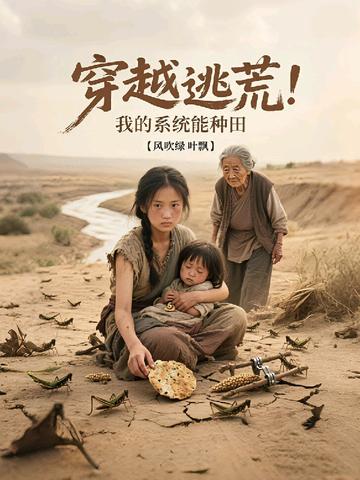
In the seventh year of the Jinghe period, the ground in the Huanghuai River was so cracked that you could stuff your fingers into it, and the newly waterlogged field ridges were crawling with locusts. I wore ragged linen clothes that exposed my flesh, and woke up coughing blood in the corner of the ruined temple. This was the third day that I traveled through time and became Su Wan, who was thrown out by her husband's family.
There was only half a piece of moldy millet cake left in his arms, and hungry people were fighting for food outside the door. There were rumors of "changing children to eat" not far away. It turned out that he was extremely hungry and was pushed and knocked into a corner to choke.
When he was about to die, a voice suddenly popped up in his mind: [The farming emergency system was successfully bound, novice mission: save an old and weak person, and unlock drought-resistant wheat seeds].
Holding my last breath, I grabbed my blind mother-in-law who was pushed down by the refugees, and protected the five-year-old orphan girl who was huddled under the altar table and almost fainting from hunger. From then on, the three of us "abandoned children" became each other's fate.
There were no roads, so we walked along the wadi, using the methods taught by the system to identify wild vegetables and filter dirty water, and at night, we used homemade animal traps to catch rabbits and share them with each other. When we found an abandoned village with springs everywhere, we took everyone to dig dirt, cut wood, build adobe houses that could protect from rain, and sow the wheat seeds provided by the system into the newly opened wasteland.
When someone came to steal food, we used sharpened sticks and traps to fight back, and established the rule "Those who don't work should not touch the bowl." When clans from neighboring villages came to grab water, we worked together to build water trucks to cut off the water downstream, forcing them to sit down and talk about "sharing."
Later,