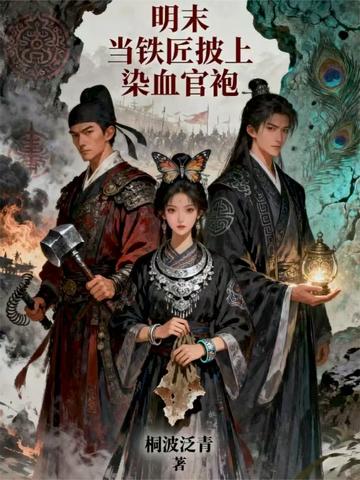
Late Ming Dynasty: When a Blacksmith Puts on the Blood-Stained Official Robe
明末:当铁匠披上染血官袍
- Status
- Completed
- Length
- 360k Words
- Genre
- Historical
- Subgenre
- Historical & Ancient
- Audience
- Male
- Updated
- 10mo ago
- Source
- Fanqie
Stats
120Chapters
71Reads · all time
The book's original creative logic of "using machines to represent Tao" makes metal forging a scalpel for the deconstruction of the times. This is the narrative sharpness of "using the wisdom of the craftsman to overcome the foolishness of the powerful". The "heat" of forging is sublimated into the "spiritual anchor in troubled times", and the fireworks in the blacksmith shop become the brightest spark in the late Ming Dynasty. The book's "disenchantment reconstruction" of traditional heroic narratives. The "metallic texture" in the text has both the cold and hard texture of forging and the warmth of the market: it is a "bloody iron" - when reading, you can hear the crackle of the fire and see the flying iron. In the violence of Mo Zheng's "smashing the official power with one hammer", you can see the tragedy of "ordinary people breaking through the iron curtain of the era with their flesh and blood" in the wind and snow of the late Ming Dynasty. The book has four core elements: "anti-traditional narrative, aesthetics of violence, triangular tension, and textual texture." The "mechanical metaphor for Tao", "narrative sharpness" and "three-line structure" are run through with images such as "furnace fire/iron hammer/golden button" to strengthen the connection between "metallic texture" and "weight of the times", giving it great literary depth and visual appeal.