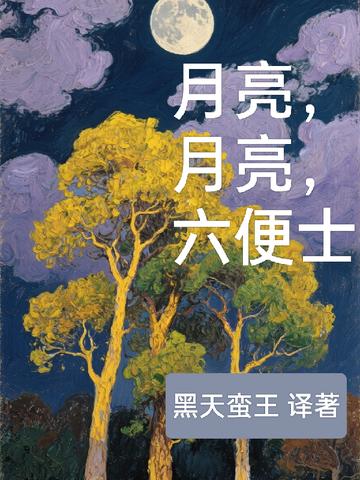
Classical Chinese version of "The Moon and Sixpence".
In the starry sky of literature, "The Moon and Sixpence" has always been a lone star with thorns, which is both scorching and charming. Its importance does not lie in the exquisite story it weaves, but in that it is like a sharp scalpel, cutting through the ambiguous veil between the secular and the ideal, so that every wandering soul in life has to face the eternal question: When the triviality of sixpence fills the daily life, is the clear brilliance of the moon still worth our leap?
Maugham described the "madman" character of Charles Strickland with a calm and almost mean touch - he abandoned his stable family and respectable career, suddenly turned around in middle age and ran to the back alleys of Paris and the jungles of Tahiti, just to chase the burning artistic flame in his heart. His selfishness, paranoia, and complete disregard for worldly warmth have made countless people look at him and even disgust him, but it has also torn apart our inherent imagination of "success" and "happiness." This is not an ode to a hero, but a naked declaration about "self": when a person puts all the weight of his soul on the ideal balance, even if the world collapses, he will eventually find his own star in the ashes.
The power of this book is that it never provides a standard answer. It does not praise Strickland's coldness, nor does it criticize the mediocrity of secular life. It just nakedly unfolds two life choices: one is the stability of picking up six pennies, and the other is the loneliness and courage of looking up at the moon.