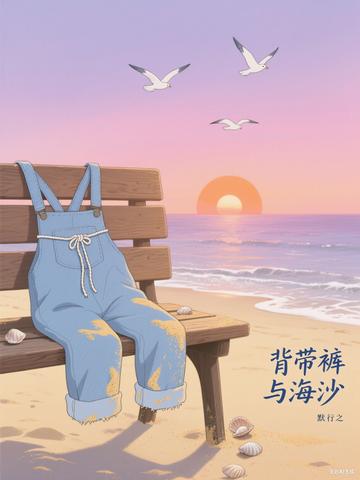
"The Red Ribbon on Wutong Lane": When the ticking of the BP machine shattered the peace of two families
On a southern afternoon in 2000, Ash's "Frontline" smelled of cheap cologne. He was counting the crumpled change, and the labels on the bell-bottom trousers on the shelves were getting hairy with his fingers. This was the third month he was starting a business without telling his wife, and the BP machine in his trouser pocket suddenly buzzed, like a warning of fate.
A Ying, who was wearing a white dress, walked in at this moment. She had just escaped from a factory in Saipan, and the rollers of her suitcase were still stuck with foreign sand. When she was choosing clothes for her son, the ring mark on her ring finger was red. "This overalls..." The moment she looked up, A Shi forgot to answer, and only saw a piece of Saipan sea sand behind her ear.
This is not a cliché extramarital affair. When Ah Shi squatted at the night market stall to pack wontons for his wife and children after the card game, the mimeograph on the plastic bag stained his suit; when A Ying cried over her sister's ID card, which was her only "identity" when her wages were withheld in Saipan; when SARS masks covered their lips that were hesitant to speak, when the rising wave of e-commerce washed away Ah Shi's physical store - in the torrent of the times, the struggles of two ordinary people were so real.
In the end, Ah Shi held his wife's gray hand at his son's graduation ceremony, and Ah Ying accepted the tea from her new husband in the evening breeze in Shanghai. Those unspoken "ifs" have become dark patterns in the years. Opening this book feels like touching the body temperature of the year 2000. In the folds of the times, I see the hidden pain of choice that every ordinary person has experienced.