Weiminguan Road
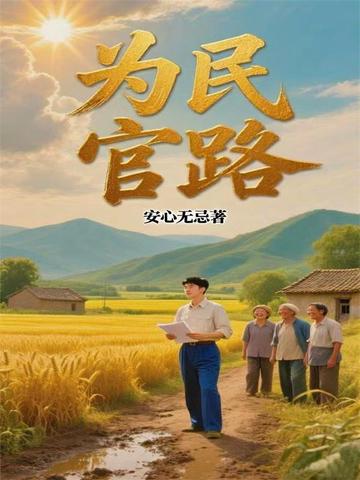
为民官路
- Status
- Ongoing
- Length
- 1.6M Words
- Genre
- Urban
- Subgenre
- Urban Everyday
- Audience
- Male
- Updated
- 10d ago
- Source
- Fanqie
Stats
Tags
Synopsis
Reader comments
In booklists 158
Explore more →

What Books Do People over 50 Want to Read?
Older people can't scan a health code during the epidemic, and they even appeared on CCTV news. Could it be that this group is really that embarrassing? Do they play online? Read the headlines? Read novels? What kind of novels do they like to read?
Who Hasn't Read the New Book by the Author of "Xi Huazhi"!
Kong Liu's new book "Provoking the Golden Branch" is exclusively released on Tomato, a true heroine essay! ! Friends who love ancient Chinese language don't miss it! !

The Only 9.9-Rated Novel in Tomato
I want to read a book similar to "The End of Ten Days".


Background: the Crown Prince of Tongtian Capital, Pursuing an Official Career

Official Novel.
I would like to read a book similar to "Officialdom: Absolute Control". No rebirth, no bloodshed, normal plot


The Prince of Kyoto Was Lost When He Was a Child, but He Was Recognized When He Grew Up


Shangshaocheng George Sheng! ! !
The writing is not exaggerated and you will be addicted to it once you read it. It is a novel that you won't want to delete after reading it.
A Book About How She Was Demoted to Concubine on Her Wedding Night
Novel About Educated Youth Going to the Countryside

The Crown Prince of Beijing Embarks on an Official Career
Northeast Novels of the 1980S

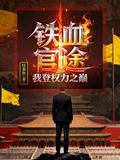

Officialdom, the Pinnacle of Power, 9.5 or Above, Single Female Protagonist, Excellent Product

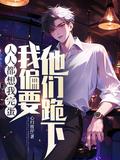
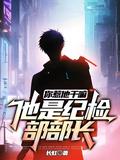

Excellent Officialdom Novel
It is best to have more than 500,000 words.

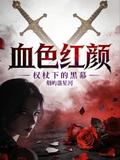
9.6 Rating: a Good Article About Officialdom, Not Reborn, and You Can't Stop Reading It.
I want to read a book similar to "The Official Ladder". The plot of the story is twists and turns and vivid, and the narrative is not sloppy at all. It feels that the novel is close to life and very real. What is especially commendable is that the author has a profound understanding of social reality, a good grasp of the officialdom, and a good grasp of human beings.

Top Officialdom Novel. Enjoyable.
Want to watch something similar to "People in Officialdom: Climbing Up Step by Step!" Book. Very nice to look at.

I Can't Stand Other Books Like Lin Di'er's Book. Is There Any

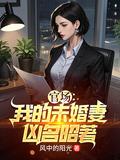
Officialdom + Multiple Heroines!
I want to read a book similar to "Official Land: After the Breakup, I Married the Princess of the Beijing Circle (Qingyun Aspires to the Crown)". Come if you like officialdom! I have been reading this book, it is very detailed.

A High Score of 9.9. the More You Look at It, the Better It Looks. I Stayed up All Night Chasing It!
I want to watch content similar to "Wanwan is not Wanwan: Who still loves you after being reborn".
A Complete Official Novel, Rated 9.5 or Above.



Rebirth of the Rich Second Generation in the Capital + Traveling Through the Magical City to the Rich Second Generation + Official Second Generation Rich Second Generation
I want to read a book like "I, the Crown Prince of Beijing, Nicknamed the Living King of Hell". Chapter 2 The Qiao family in Jiangzhou is not easy to mess with. "Are you worthy of asking me to apologize?!" Gu Tian suddenly turned over, grabbed the other party's ankle and pulled hard! "Ah—!" Qiao Na was surprised



Real Officialdom Novels Should Be More Realistic and Preferably Written by People Within the System.
Just like official novels by Hou Weidong, Sun Guohua, and Wang Hongtao. Please recommend them!



The Protagonist's Grandfather and Father Have a Yanjing Background
Within the System, the Male Protagonist Is a Big Leader and the Female Protagonist Is a Civil Servant. There Is an Age Difference.
I want to read a book similar to "Mr. Gu's Little Wife".
This is a novel about the officialdom of the times that makes people unable to put it down after picking it up. It does not have a floating formula of cool writing, but uses solid writing to tell the story of an ordinary person who sticks to his original intention and moves forward step by step in the wave of the times.
This novel is about Zhen Weimin taking root in the countryside. As Zhen Weimin gets promoted, he follows his perspective and witnesses the whole process of China from rural China in the early 1990s to economic boom and then entering a new stage of in-depth reform. The journey has just begun, and the sycamore trees in Yangliu Township have just begun to bloom with new green. The road ahead will be more magnificent and more difficult and tortuous. This is not only reading a story, but also accompanying a person or a generation on this long journey of witnessing history. Let's go down this road together! The "official road" in this book reflects China's development path.
"The Official Road for the People" takes the grassroots career of college student Zhen Weimin as the axis. It tells not only one person's promotion path, but also the struggle path of a generation. The name of the protagonist "Zhen Weimin" itself carries the simple ideal of "serving the people" and the mission of the times. The author's success lies in not portraying him as a symbolic "high-ranking" hero, but in letting him take root in the soil of Yangliu Township, from a college student full of scholarly enthusiasm to honing and growing up step by step in complex grassroots work. Every decision he made, every confusion and determination, closely followed the social pulse of the time, allowing readers to feel a real soul with flesh and blood, ideals and struggles. The plot of the novel is exquisitely designed, and the story goes beyond the scope of personal narrative. There is both the triviality and difficulty of grassroots work, and the wisdom and foresight of macro-decision-making. All in all, "The Official Road for the People" is a masterpiece that is delicately described and deeply touching. If you like realistic themes that are thick, real, and full of humanistic care, and are eager to read a work that can trigger deep thinking and bear witness to the times, then this book is definitely not to be missed. It is a "super beautiful" must-read. It really becomes more interesting the more I watch it, and I keep up to date with it all the way.
This novel describes the retrograde path of Zhen Weimin, a character who gave up the city and was forced to take root at the grassroots level. The work depicts her journey from the campus to the countryside with delicate brushstrokes, without golden fingers or systems. With its profound insight and smooth narrative style, this book successfully attracts readers' attention. The story is compact and the characters are vivid, making it an evocative read. This is a realistic novel. The author writes it very well. It gives you a sense of seeing and immersing yourself in a TV series. It is worth reading. Highly recommended!
From this book, we can deeply feel the triviality and difficulty of township work. Bad things happen one after another, and the twists and turns of interpersonal relationships are surging undercurrents. The author uses smooth narrative and delicate writing to portray these realistic dilemmas deeply. Zhen Weimin's growth path is a retrograde path without forgetting his original intention. He gave up the possible prosperity of the city and chose to take root at the grassroots level. His biggest "golden finger" is the persistence and wisdom of sticking to his heart. This kind of non-suspicious and non-exaggerated struggle process makes people's hearts brighter, and it is also the easiest to generate strong emotional resonance and spiritual inspiration. The storyline is compact, the characters are flesh-and-blood, and the narrative style is both insightful and readable, bringing an immersive experience like watching a high-quality TV series. If you are tired of fantasy-like upgrades and monsters and are eager to read a realistic, profound and thought-provoking work, then this book is definitely worth your attention and daily updates.
"The Official Road for the People", with its rigorous realism writing style, left an affectionate "literary memo" for the rapidly developing China. The author has an unforgettable understanding of grassroots logic and individual destiny. From road construction and factory building to national strategy, all grand narratives are turned into stories with warmth and conflict. The value of this work lies not only in its hard-core depiction of officialdom ecology, but also in its successful integration of personal idealism and the magnificent tide of the times, creating a sincere work that has both the warmth of muscles and bones and the thickness of the times.
This is a song of an idealist rooted in reality. The author uses a calm and cold writing style to depict the growth trajectory of an intellectual cadre in the fertile soil at the grassroots level. The value of the protagonist Zhen Weimin lies not in his machinations, but in the fact that in every dilemma, he always uses knowledge as a spear and conscience as a shield to move forward steadily in the tide of the times. The work closely interweaves personal ups and downs with the grand process of reform and opening up. It not only shows the true texture of grassroots governance, but also conveys the radiance of idealism becoming more tenacious in the face of reality. After reading this, I am convinced that real struggle will eventually penetrate the thorns and reveal the light of day. The author's description is detailed and penetrating. Interlocking and fascinating. The concept is novel, the writing is smooth, the plot is compact, and it has ups and downs. The story is wonderful and the logic is reasonable.
Among the numerous Shuangwen-style officialdom themes, this history of officialdom struggles with Zhen Weimin as the protagonist is like a clear stream. With its solid texture of the times, vivid character arcs and calm and powerful writing, it outlines a long scroll of the ups and downs of officialdom and the changes of the times spanning thirty-six years. It is a hearty and heavy read. The starting point of the story is that in the 1990s, Zhen Weimin, a top student, was "assigned" to work in a poor township because he offended others because of his too much talent. In his thirty-six years of official career, he has seen the complexity of human nature, experienced the temptation of power, encountered unfair suppression, and gained the trust and support of walking side by side. From a small town official to a leader of ministries and commissions, his position has changed and his power has increased, but his sincerity to the people and awe of responsibility have never faded. The author uses delicate brushstrokes to depict his choices at key nodes, making Zhen Weimin's image more three-dimensional and vivid, and making "official struggle" transcend the dimension of personal career and sublimate it into the persistence of the original intention and mission, which has great emotional resonance. The author's writing is calm and powerful. There is no accumulation of gorgeous rhetoric or deliberately sensational plots. The author uses plain but highly penetrating words to describe the complex ecology of officialdom, the various aspects of people's livelihood at the grassroots level, and the changes of the times. When describing the barren scenes of villages and towns, a few strokes outline the desolation of the picture and the hardships of the people; when depicting the scenes of officialdom games, the language is precise and restrained, but the undercurrent of tension can be conveyed through the characters' demeanor, dialogue and movements; when describing the changes of the times, a macro perspective is combined with micro details, so that the waves of the big era and the fate of small people reflect each other, and the precipitation and power of the years are everywhere between the lines. This calm writing style makes the whole work more textured and convincing. A very good book worth recommending! Be sensible and progressive!
This book, "The Official Road: An Epic of Struggle from Township to Ministries", was started in 1990. It begins with a dispute over graduation assignments, which entangles the fate of academic tycoon Zhen Weimin and powerful son Wu Zhengrong, and starts the Yuliang dispute throughout his official career. The work uses an extremely solid chronological style and strictly examines the style of the times, allowing readers to follow the protagonist starting from the barren soil and moving up step by step. During this period, the collision between airborne and local, the contest between hard work and intrigue, the choice between loyalty and temptation, constitutes a thrilling and authentic official ecological scroll. The author abandons all golden fingers and purely uses the power of wisdom, structure and original intention for the people to interpret a shocking counterattack in which political achievements crush conspiracies and people's hearts defeat power. The author has ingenious conception, delicate and smooth writing, ups and downs of plot, vivid description, three-dimensional and vivid characters, fascinating story, brilliant plot, reasonable and self-consistent logic, and rich and colorful content.
This novel focuses on the "retrograde" choice of young Zhen Weimin to give up the city and take root in the grassroots. The work depicts his true transformation from campus to hometown with delicate brushwork - there is no golden finger, only the collision between ideals and reality, and the confrontation between original intention and dilemma. This return-to-nature growth epic has the light of idealism without losing the true texture of grassroots officialdom.
"The Official Road: An Epic of Struggle from Township to Ministries" is a rare "down-to-earth" officialdom novel. It describes the thirty-six-year official career of the protagonist Zhen Weimin as an epic of the struggle of a small person in the tide of the times. There is no floating golden finger, only the pragmatism of "stepping to the rhythm of the times": from the plight of being relegated to poor towns, to breaking through the situation with knowledge and establishing oneself with conscience, from trivial matters at the grassroots level to the battle of wits in officialdom, every step reveals the quality of "hard-core realism" - not only keeping up with the pulse of the times, but also hiding the idealistic character. The resilience of the protagonist who "plants flowers among thorns" is the most touching: he sticks to his original intention in the ups and downs of his career, giving the workplace struggle line a sense of "counterattack" and questioning of "ideals and character." For readers who prefer realistic official career writing and want to see "little people stand firm in the times", this is a masterpiece that is both "down to earth" and "heart-warming" enough.
This book is rooted in the vast countryside, and the words are permeated with a deep understanding and deep feelings about the grassroots. The story of Yangliu Township is a microcosm of the daily work of countless township cadres, full of earthy flavor and quality of life. The author is not only writing about Zhen Weimin, but also writing a biography for a generation of grassroots strugglers who worked silently and sought breakthroughs in real difficulties. This book is an affectionate hymn, paying tribute to those "little people" who, in ordinary positions, rely on wisdom and determination to promote social progress bit by bit and the power they represent.
This book successfully captures the reader's attention with its deep insights and smooth narrative style. The author narrates complex emotions and thoughts through delicate brushwork and vivid descriptions, making people immersed in it. The plot of the story is compact and layered, the characters are vivid and three-dimensional, and the reading is endlessly memorable. Both the depth of the subject and the beauty of the language demonstrate the author's unique talent. It is not only a work worth reading, but also a spiritual touch and inspiration. Recommended to all readers who love reading and are eager to think.
I read through the existing chapters and followed the footsteps of the protagonist Zhen Weimin, walking all the way through the muddy roads of Yangliu Township. I found that this is not only a "promotion story" about Zhen Weimin's personal struggle, but it also feels like it is setting up a biography for a generation and tracing the profile of a magnificent era. This is not like a fictional story, but like a real echo of the times. Yangliu Township is not only the first stop for Zhen Weimin's work, but also the starting point for him to move towards the future step by step. He walks along a wise road that sticks to his original intention and can break through the situation and move forward. This is a microcosm of the real situation of countless Zhen Weimin in that era. This book is well worth reading.
"Official Road" takes the graduation assignment in 1990 as a guide and begins an epic career spanning from townships to ministries. The fate of the academic tyrant Zhen Weimin and the rich and powerful child Wu Zhengrong are entangled, and the "Yu Liang Controversy" that runs throughout is slowly unfolding in a solid chronological narrative. The work deeply depicts the collision between the airborne and the local, and the contest between hard work and power. It abandons golden fingers and relies purely on wisdom, structure and the original intention of serving the people. It interprets a long counterattack in which solid political achievements crush conspiracies and sincere people defeat power. The book is full of exquisite details and vivid characters, forming a real and thrilling picture of the officialdom ecology.
The most touching thing in the book is the real and tangible growth trajectory and human portrayal. The protagonist is not a born Machiavellian master, but enters the grassroots officialdom with ideals and ignorance. From the rush of dealing with trivial matters in the township to the calmness of dealing with complex factions, every step of promotion is accompanied by choices and struggles. The author does not flatten the characters. He not only writes about the protagonist's wise strategies in overt and covert struggles, but also does not avoid his inner swing when faced with the temptation of interests. This grasp of the multi-faceted nature of human nature makes the word "struggle" escape from the sense of suspension and appear particularly heavy. The official group portrait built around the protagonist is equally vivid. Colleagues who are speculative, seniors who stick to principles, and allies tied to interests. Each character carries a specific official ecological code, and together weave a real and tangible network of power relationships.
This is an official novel of the era that can make people read with concentration. It does not have a suspended cool novel routine, but takes 1990 as the starting point, following the protagonist Zhen Weimin from being marginalized to a remote place in the countryside, and gradually carving out his own official career amidst the thorns. The author uses hard-core realistic writing to let us see an intellectual's persistence and breakthrough in the wave of the times. Zhen Weimin relied on his knowledge to break the situation and relied on his conscience to establish himself. Every step he took was based on the pulse of the development of the times. Thirty-six years of ups and downs in officialdom are not only a history of personal struggle, but also reflect the grand picture of China's grassroots development and the changes of the times.
After reading the current chapters of this novel, I followed the footsteps of the protagonist Zhen Weimin, walking all the way from the muddy road to Yangliu Township. Zhen Weimin had no spectacular deeds, only dedicated to serving the people and constantly doing practical things that he believed to be real. He was always thinking about the people, and his "promotion" came step by step. This novel puts oneself into it as soon as it is read, and it is particularly able to evoke memories of the readers. The author's conception is very exquisite, the narrative is very real, and the writing is very smooth. After reading so many chapters, the logic is very rigorous. As a chronology, the time is very reasonable. This is a novel about officialdom struggle in the real era that is particularly worth recommending.
This is a realistic era officialdom novel that is very similar to "Hou Weidong's Official Notes" and "In the Name of the People". It is very real and very immersive! Once you read it, you won't be able to stop! Very good!
This book is a micro-epic of reform and opening up. It tells the story of Zhen Weimin's official career trajectory starting from Yangliu Township and moving forward step by step. The author skillfully transforms a grand growth narrative into a concrete, vivid and tense work conflict and life story. Through what Zhen Weimin sees, hears, thinks and does, readers can personally feel how the tide of the times hits every specific person. This book is not only about an official's journey of serving the people, but also an affectionate literary memo for a magnificent journey, which has unique record value of the times.
"Official Road" is a hard-core and passionate history of officialdom struggles in the era. In 1990, Zhen Weimin, a top student, was thrown into a trough, but he still managed to bloom amidst the thorns. He broke through situations with his knowledge and established himself based on his conscience. Every step he took was based on the pulse of the times, and he grew from a township cadre to a ministry leader. Thirty-six years of ups and downs are full of wisdom and character, and also convey the belief that "ideals are immortal, and struggle will eventually see the light of day." This work has both the real texture of officialdom and the light of idealism, which makes people feel excited and inspired when reading it.
5-Star review. Very interesting. I think it's worth reading. If you don't read it, you will regret it for the rest of your life. It's very interesting. It's a novel novel. You can definitely read it. This is a work that stayed up late to catch up on updates. The author's imagination is wide-ranging and the characters are described with vivid scenes and details. Breaking through the traditional framework, the main and branch characters are clearly and vividly created, and the concept of the structure from the small self to the big self has jumped up. This book made me immersed in it. The plot had ups and downs and the characters were vividly drawn, as if they were vividly written on the page. It not only brought me endless imagination, but also gave me profound insights. Every page is full of surprises and is worth reading again and again. It is a five-star review and highly recommended!
In the midst of thorns, one can see the strength of character—Comments on "History of Struggle in Officialdom" The remote countryside in 1990 became the low point of Zhen Weimin's life, but it also concealed the starting point of his breakthrough. Abandoning the sense of suspended animation, this period official novel uses hard-core realistic writing to unfold the ups and downs of thirty-six years of official career: from villages and towns to ministries, he broke through with knowledge and established himself with conscience, keeping his foot on the pulse of the times every step of the way. There are no shortcuts and smooth roads, only the perseverance of ideals and the wisdom of working step by step. The original intention is found in the game of officialdom and the character is shown in the tide of the times. It can be called a true officialdom notebook that writes about struggle and perseverance. It is a hearty and moving read. Thanks to my friend Hua Bawang from Mulan Mountain for recommending good books.
I carefully read this hard-core realistic struggle novel about the officialdom of the era, and I was really worried about Zhen Weimin. In such a difficult situation in Yangliu Township, he relied on his enthusiasm for the people, his courage and courage to unite the cadres and the masses, and worked step by step, one thing at a time. He managed to accomplish what he had wanted to do but had not done for many years, and won praise from the masses. The author's conception is exquisite, his writing is smooth, the content is rich, the characters are well-characterized, the plot is ups and downs, interlocking, and the description of the era is very unique. It makes people feel immersed in the story as soon as they read it. It is impossible to stop and put it down. A very good book, worth recommending.
Found a treasure! "The Road to Officialdom" is the most significant officialdom novel I have ever read on Tomato. The life trajectory of the protagonist Zhen Weimin is a history of the struggle of contemporary grassroots cadres. From a frustrated young man who was sent to a township to a ministerial leader shouldering responsibilities, his growth line is particularly stable: he has both a sense of accomplishment in overcoming difficulties and a sense of powerlessness in facing reality. This sense of reality is so rare. The author knows how to manipulate readers' emotions. The plots are interlocking, including grassroots road construction, corporate restructuring, and response to public opinion... Every event reflects the mark of the times. The most rare thing is that the protagonist always sticks to the bottom line and uses his political achievements and public support to stand firm. This kind of "sober world" setting is too popular. The writing style is calm and not procrastinating, and the details are ecstatic! Whether you want to understand the ecology within the system or watch ordinary people's counterattacks, this book can satisfy you, highly recommended!
This article on the struggle of officialdom in the 1990s is like a carefully drawn picture of the times, weaving the most tenacious lines of idealism on the warp and weft of power and human nature. The author's restoration of the atmosphere of the times is unparalleled - the office filled with cigarettes and tea stains, the thick handwritten materials, the collision of township enterprises and the influx of foreign capital, all accurately reproduce the era of transformation full of opportunities and uncertainties. The protagonist is not a "shuangwen" template that cheats all the way, but a young man who enters the system with intellectual ideals and a little greenness. Every promotion and every obstacle he encounters are closely linked to the real historical pulse of "development zone construction" and "state-owned enterprise restructuring". The trajectory of his struggle is solid and credible.
The author's writing skills are very good, and it feels like I have read a story about the ups and downs of officialdom. The protagonist relies on knowledge and conscience to establish himself. From township cadres to leaders of ministries and commissions, every step of his thirty-six-year official career has been carefully taken. There is no brainless moment, but there is great wisdom hidden in the game of power and people's livelihood matters. The plot is hard-core and realistic, the characters are three-dimensional, the collision between ideals and reality, and the choice to stick to conscience are all extremely tense. The writing style is simple and smooth, and the details are full of details to restore the texture of the era. It not only shows the difficulty of official career, but also conveys the power of struggle. It is a very good work!
An urban reality-themed official novel, the writing style delicately outlines the ups and downs of the protagonist Zhen Weimin's thirty-six-year official career from 1990 to the present. It is positioned as a hard-core and realistic history of officialdom struggle in the era, and the promotion trajectory from the grassroots level in townships to the top levels of ministries and commissions shows the ideals and persistence of a generation of cadres in the wave of reform and opening up. Breaking through the traditional framework, the main and branch characters are clearly and vividly created. The organic combination of long-term planning based on the traditional text breaks the traditional text framework, expands the narrative dimension, and achieves breakthroughs that open up a new dimension for this type of subject matter. The compact plot and novel conception give the story background depth and value, and the emotions have a core and a sublimated conception. The beginning is plain and easy to get immersed in once you get into the protagonist's breaking rhythm. The logic of the plot is strict, the foreshadowing is far-reaching, and Secretary Hua's clues run through it. When solving problems, both resourcefulness and principles are emphasized, which can bring continuous reading pleasure and space for thinking. It is very suitable for readers who like official stories, realistic themes, period stories, and stories of struggle and growth. If you are tired of the exaggerated golden fingers and long for a solid, flesh-and-blood epic of the struggle of civil servants that reflects the pulse of the times, then this book will be an excellent choice.
This is a profound hymn dedicated to idealists. The author uses restrained and powerful writing to allow the protagonist Zhen Weimin to rely on knowledge to break through the thorns at the grassroots level and rely on conscience to establish himself. Every step of his growth resonates with the pulse of the times. The most moving thing about the work is that it rejects cheap counterattack narratives, but truly presents the perseverance and wisdom of an intellectual cadre in the wave of reform. After thirty-six years of ups and downs, what has been sharpened is the original intention, but what remains unchanged is the character. This is not only a history of personal struggle, but also a prism that reflects the transformation of China's grassroots governance. It is admirable and empowering to read.
A solid epic of officialdom struggle! The author An Xin Wuji takes 1990 as the starting point and writes about the protagonist Zhen Weimin's thirty-six years of ups and downs from a poor village to a ministry, which is both true and powerful. The book restores the atmosphere of the times and portrays the grassroots ecology in an extremely delicate way. Every step the protagonist takes to break through the situation with knowledge and establish himself based on conscience has his finger on the pulse of the development of the times. He has both official wisdom and ideal character. The writing style is calm and heavy, the narrative is solid and powerful, and the rare spiritual core is revealed in the tension between power and original intention. It is a rare hard-core masterpiece in recent times! The marks of the times are as real as ever, and the trajectory of struggle is sonorous step by step. Chasing a watch is like witnessing a flowing epic, with both the thickness of earth and the ideal of starlight. The author greatly requests more updates!