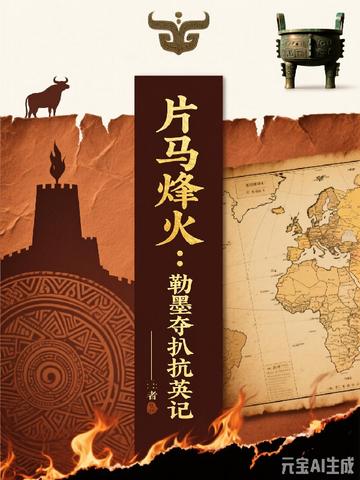
At the end of the 19th century, after the British annexed Burma, they set their greedy eyes on my country's southwest border. This strategically important area of Pianma became the frontline to resist foreign enemies. "The Beacon of War: Le Mo Duopa's Resistance against the British" vividly reproduces that magnificent and passionate anti-British chapter.
In 1900, British imperialism created the "Pianma Incident" and brazenly invaded our territory. At the critical moment, Lisu hero Lemo Duopa stepped forward. Lemoduopa was originally named Ji'a Province and was born in Lushui County, Nujiang River. Because he was familiar with the local terrain, he was appointed by the chieftain of Denggeng as the steward of Pianma. Facing the invasion of the British army, he acted quickly, recruited strong men, enriched the team of local militiamen, and was determined not to give up an inch of territory. In 1905, the Qing government carried out border demarcation negotiations under the threat of the British. Lie Dun attempted to divide Chinese territory using the watershed of Gaoligong Mountain as the boundary. Le Moduopa led the leaders of various ethnic groups to argue with reason and thwarted the enemy's plot. In January 1911, the British army took advantage of the heavy snowfall to launch a surprise attack on Pianma. Lemoduopa organized the people and fought to the death with the well-equipped British army using simple weapons such as crossbows and broadswords. The "coir raincoat soldiers" he led were elusive and defeated the British army. Later, the Liuku Tusi militia joined them and used clever tactics to force the British army to retreat. On April 14, the British army had to admit that Pianma and other places were Chinese territory.
This book uses detailed historical materials and vivid writing to show the heroic deeds of Lemo Duopa, so that future generations can remember this period of history and feel the firm belief of the people of all ethnic groups in the border areas to defend their motherland.