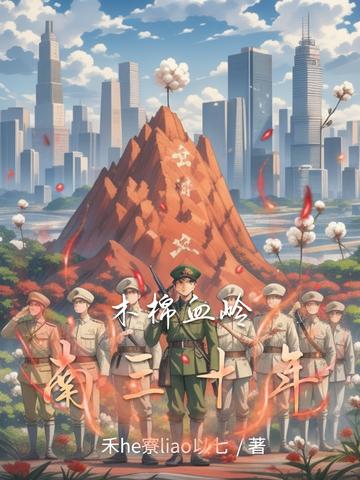
·Kapok image: used throughout, as a scene description
Writing (Lingnan scenery), spiritual symbol (hero,
sacrifice, perseverance), emotional sustenance (nostalgia, longing
memory), witness of the times (the story that happened under the kapok tree)
things).
·The context of the Guangdong Army: from the New Army in the late Qing Dynasty to the revolution in the early Republic of China
Army, Fourth Army of the National Revolutionary Army (Iron Army), Anti-Japanese War
The Cantonese troops during the period and the remaining Cantonese troops in the War of Liberation
Department, etc., Showing its evolution, contribution, internal contradictions and
historical destiny. Focus on portraying Cantonese generals and soldiers
Typical image.
·Regional culture: Describe Lingnan scenery with thick ink and colorful colors
(Arcade, teahouse, Cantonese opera, dragon boat, herbal tea, recipe
language), clan concepts, hometown characteristics, business essence
God.
·Grand history: deeply embed the fate of the characters in Xinhai
Revolution, Northern Expedition, Ten Years of Civil War, Anti-Japanese War
war, the War of Liberation, the early days of the founding of the People's Republic of China, reform and opening up, etc.
Major historical events.
·Family narrative: through 1-2 core families (such as a
A merchant family in Xiguan, Guangzhou, and a Hakka army in northern Guangdong
family) the fate of several generations reflects the greatness of the times.
Change.
·The Depth of Humanity: Exploring War and Peace, Loyalty and
Betrayal, ideal and reality, family and country, tradition and reality
The eternal theme of generations.